
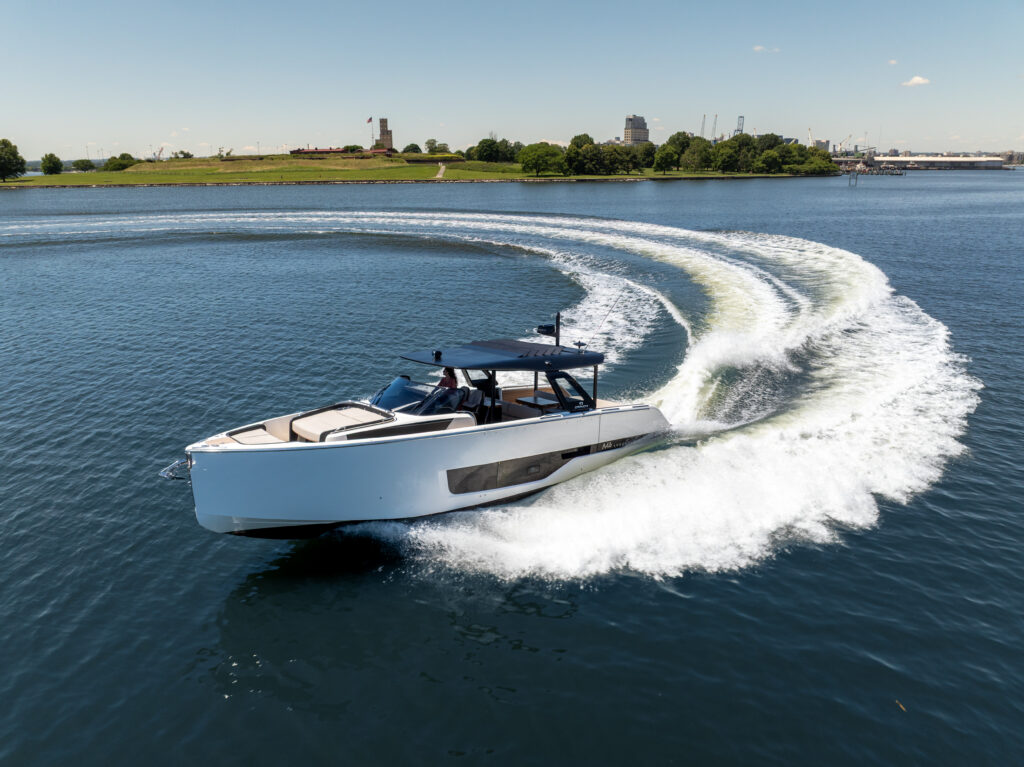
Your First 90 Days With a New Yacht: A Concierge Checklist for a Flawless Start
Taking delivery of a new yacht is a milestone moment. The first 90 days are where excitement meets responsibility: it’s when you learn the boat, build confidence, and set the foundation for years of reliable, effortless cruising.
Whether you’ve just purchased your first yacht or you’re upgrading to a larger or more sophisticated vessel, this concierge-style checklist will help you navigate the early days with clarity and confidence.
Weeks 1–2: Delivery, Break‑In, and Baseline Setup
1. Treat Delivery Day Like a Sea Trial
Beyond the champagne and photos, delivery is your first real systems test. During your handover:
- Walk every space: cabins, bilge areas, lazarette, flybridge, engine room.
-
Operate every system with a specialist:
- Navigation electronics and autopilot
- Engines, joystick, and bow/stern thrusters
- Stabilizers, trim tabs, and windlass
- Generators, shore power, and battery management
- HVAC, refrigeration, lighting, and entertainment
- Document settings and preferences with photos and notes on your phone.
A premium dealership should also schedule an on‑water orientation to practice docking, slow‑speed maneuvering, and emergency procedures in real conditions.
2. Follow a Proper Engine & Systems Break‑In
Modern engines are robust, but the first 25–50 hours are critical. Work with your dealer and engine manufacturer guidelines to:
- Vary RPM rather than running at a single speed for long periods.
- Avoid extended wide‑open throttle during early hours.
- Monitor engine temps, oil pressure, alternator output, and fuel burn.
-
Check engine and generator compartments after every run for:
- Drips or weeping at fittings and hoses
- Belt dust, unusual smells, or vibration
- Loose clamps or fasteners
Schedule the first engine and generator service (often around 25 hours) with your servicing dealer right away. This early oil and filter change removes break‑in particulates and provides a key opportunity to check everything under load.
3. Build Your Initial “Punch List”
Even the finest new yacht will have minor items to dial in. During the first two weeks:
-
Keep a running list on your phone or tablet with:
- Cosmetic touch‑ups (caulking, cabinet alignments, soft‑goods tweaks)
- Electronics adjustments (screen layouts, software updates, calibration)
- Comfort issues (door latches, squeaks, rattles, storage improvements)
- Note the time, conditions, and status when anything occurs. Photos and short videos are invaluable.
Share this punch list with your concierge sales or service contact weekly. Addressing items promptly prevents small concerns from becoming ongoing frustrations.
Weeks 3–6: Training, Confidence Building, and Warranty Touchpoints
4. Invest in Early Training – For You and Your Crew
A yacht is far more enjoyable when everyone feels confident aboard. In the first month, arrange:
- Docking and close‑quarters coaching in your home marina
-
Practice sessions for:
- Spring line techniques and fender placement
- Communication between helm and deck crew
- Mediterranean or side‑tie docking (if applicable)
-
On‑water practice with:
- Man‑overboard drills
- Anchoring, setting, and retrieving
- Basic troubleshooting procedures (tripped breakers, fuel filters, seacocks)
If you’re stepping up in size or complexity—perhaps to a Prestige, Princess, Pardo, or similar class-leading yacht—professional instruction tailored to your new systems is especially valuable.
5. Establish Warranty & Service Routines
Your first 90 days are the ideal time to align with your dealer’s service team and each manufacturer’s coverage:
- Register all warranties and confirm that all paperwork is complete.
-
Ask your dealer to map out:
- Engine and generator service intervals
- Systems maintenance (stabilizers, watermakers, thrusters, windlass)
- Hull care (bottom paint, propspeed, zincs, hull cleaning schedule)
-
Clarify who to call for:
- Urgent issues on a holiday weekend
- Electronics support and software updates
- Extended cruising needs away from your home port
A concierge‑level dealer will often schedule your first follow‑up inspection within the first 30–60 days, using your punch list and operating experience to refine the boat to your style.
6. Organize Your Onboard Documentation
Create a “ship’s library” that’s easy to reach:
-
Printed binders or laminated quick‑reference sheets for:
- Electrical load management and breaker locations
- Fuel system layout and tank switching
- Freshwater, black/gray water, and bilge systems
-
A digital folder (on a tablet or shared cloud drive) containing:
- Owner’s manuals and schematics
- Warranty certificates and service records
- Registration, insurance, and key contact numbers
This organization turns potential stress moments into simple, well‑rehearsed procedures.
Weeks 7–12: Seasonal Planning, Personalization, and Reliability
7. Plan for the Season Ahead
Align your first 90 days with the regional boating calendar. In the Mid‑Atlantic and Chesapeake Bay region, that means:
-
Spring deliveries:
- Book haul‑out, bottom service, and detailing before marinas get busy.
- Reserve transient slips for popular summer destinations early.
-
Summer and fall deliveries:
- Discuss winterization, storage, and off‑season service plans now.
- Consider where you’ll want the yacht positioned for spring.
Think through how you’ll actually use the boat: weekend cruising, day boating, extended coastal runs, or offshore passages. Your dealer can help configure upgrades—tender options, water toys, additional refrigeration, shade, or Seakeeper-style stabilization—to match your planned cruising profile.
8. Customize for Your Lifestyle
The first few months reveal how you and your guests really live aboard. Use that insight to personalize thoughtfully:
- Galley and bar setup: cookware, glassware, coffee systems, wine storage.
- Comfort upgrades: mattress toppers, linens, towels, climate control tweaks.
- Safety and convenience: extra dock lines, dedicated fender storage, cockpit covers, boarding steps, and rail lighting.
- Tech and entertainment: streaming setup, Wi‑Fi solutions, audio tuning, and device charging stations.
These finishing touches transform a yacht from “new” to unmistakably “yours.”
9. Implement a Simple Reliability Routine
By the 90‑day mark, aim to have a calm, repeatable rhythm:
-
Before every departure:
- Engine room walk‑through
- Fluid checks (oil, coolant), belt and hose glance
- Bilge and seacock inspection
- Navigation, VHF, and safety gear verification
-
After every return:
- Rinse hull and topsides, particularly salt‑prone areas
- Log hours, fuel, and any anomalies
- Tidy and secure interior and exterior for next use
Pair this with quarterly or seasonal professional inspections, and you greatly reduce surprise issues while preserving long‑term value and resale appeal.
Partnering With a Concierge Yacht Team
A flawless first 90 days doesn’t happen by accident. It’s the result of a thoughtful delivery, attentive after‑sales service, proactive training, and a dealer who remains engaged long after closing.
At Chesapeake Yacht Center, our concierge team guides owners through every stage of these first critical months—from punch lists and break‑in service to seasonal planning and captain training—so your new yacht feels effortless from day one.
To explore new and pre‑owned luxury yachts or speak with a specialist about your first 90 days of ownership, contact Chesapeake Yacht Center in Baltimore today.