
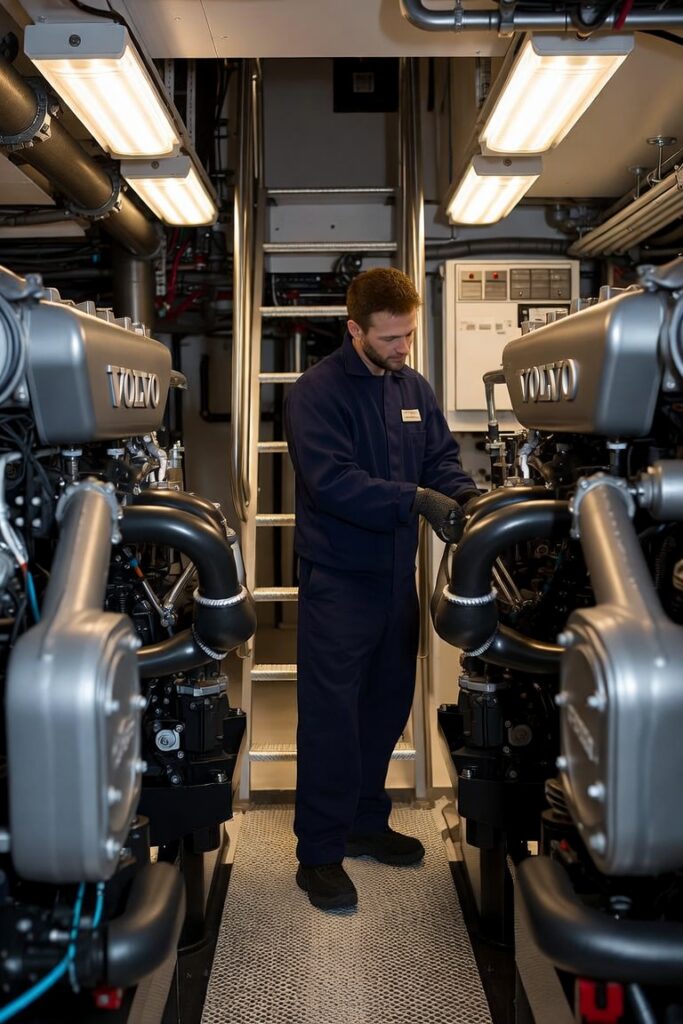
Myth‑Busting Luxury Yacht Maintenance: What Actually Matters Monthly, Seasonally, and Annually
Luxury yacht ownership should feel like a pleasure, not a part‑time job. Yet many prospective and current owners hesitate because of one persistent concern: “Is the maintenance going to be overwhelming?”
In reality, a well‑structured maintenance plan—supported by the right team—keeps your yacht running beautifully without consuming your time. The key is understanding what truly matters each month, each season, and each year, and ignoring the myths that create unnecessary stress and expense.
Below, we separate fact from fiction and outline a practical maintenance roadmap for luxury yacht owners.
Common Myths About Yacht Maintenance
Before breaking it down by timeline, it’s important to address a few misconceptions:
Myth 1: “Luxury yachts need constant, daily attention.”
For most owners, that’s simply not true. A well‑maintained, modern yacht on a sensible schedule does not require daily tinkering. Routine monthly and seasonal checks, paired with professional service, keep things running smoothly.
Myth 2: “If I’m not handy, I shouldn’t own a yacht.”
Today’s luxury yachts—from brands like Prestige, Princess, Pardo, Cranchi, Dyna, Jeanneau, and Navan—are engineered for reliability and supported by expert dealer networks. You don’t need to be a mechanic; you need an experienced partner and a proactive service plan.
Myth 3: “Maintenance is just about the engines.”
Your powerplants are critical, but so are your electrical systems, hull, electronics, safety gear, and even soft goods. Ignoring “cosmetic” items can reduce resale value and diminish your onboard experience.
Myth 4: “I can skip service if the yacht seems to be running fine.”
Luxury yachts reward prevention. Skipping or delaying scheduled maintenance can quickly translate into expensive repairs and lost boating time during peak season.
What Actually Matters Monthly
Monthly tasks focus on quick checks and light care that protect your investment between major service intervals. For many Chesapeake Bay and Mid‑Atlantic owners, these can be handled in one organized visit—or delegated entirely to a concierge service.
1. Visual Systems Check
At least once a month (or every 20–30 running hours):
- Look over engines and generator for leaks, unusual odors, or corrosion.
- Check fluid levels (oil, coolant, steering, hydraulic systems).
- Confirm bilge pumps are functioning and bilges are dry and clean.
Why it matters: Small leaks, loose clamps, or low fluids are easiest and cheapest to fix when caught early.
2. Batteries and Electrical
- Verify battery voltage and charge status.
- Confirm shore power connections are secure and cords are in good condition.
- Test basic electrical functions: lights, navigation electronics, pumps, and windlass.
Why it matters: Dead or weak batteries are one of the most common reasons trips are cut short—or never leave the dock.
3. Interior & Exterior Care
- Rinse topsides and cockpit to remove salt, grime, and pollutants.
- Wipe stainless and hardware to prevent corrosion spots.
- Check for moisture or leaks in cabins, lockers, and under berths.
Why it matters: Regular light cleaning protects gelcoat, upholstery, and fittings while helping you spot small leaks and issues long before they become structural problems.
4. Safety Spot‑Check
- Confirm required safety equipment is aboard: life jackets, flares, throwable devices, fire extinguishers.
- Test horn, navigation lights, and VHF radio.
Why it matters: Safety compliance isn’t just a regulation—it’s peace of mind every time you leave the slip.
What Actually Matters Seasonally
In the Mid‑Atlantic and Chesapeake Bay region, seasonal service is where ownership experience and local knowledge truly pay off. These steps align your yacht with the way you actually use it: launching, peak cruising, and lay‑up.
Spring: Commissioning for the Season
1. Bottom & Running Gear
- Inspect bottom paint; touch up or repaint as needed.
- Check and clean props, shafts, rudders, and thrusters.
- Inspect zincs/anodes and replace any that are more than half depleted.
2. Engines & Generator
- Perform oil and filter changes if due based on hours or manufacturer interval.
- Inspect belts, hoses, clamps, and seawater strainers.
- Test‑run systems dockside and under load before your first long trip.
3. Onboard Systems
- Flush and sanitize freshwater system.
- Service air conditioning, refrigeration, and water heaters.
- Test navigation electronics, autopilot, and radar.
4. Cosmetics & Comfort
- Detail the exterior and refresh wax on hull and topsides.
- Clean and treat upholstery, canvases, and isinglass.
- Restock galley, linens, and spare parts for cruising.
Fall/Winter: Protecting Your Investment
For owners who haul or reduce use in colder months:
- Winterize engines, generator, and freshwater systems as appropriate.
- Add fuel stabilizer and fill tanks to reduce condensation.
- Check covers and shrink‑wrap for proper ventilation.
- Schedule any cosmetic or upgrade work while the yacht is out of peak‑season use.
Seasonal service is an ideal time to plan enhancements: electronics upgrades, audio/visual systems, tender solutions, or custom storage—so your yacht evolves with your lifestyle.
What Actually Matters Annually
Annual maintenance focuses on comprehensive inspections and tasks aligned with manufacturer recommendations. This is where partnership with a knowledgeable dealer and service team becomes invaluable.
1. Full Engine & Generator Service
Based on hours and OEM requirements:
- Oil, fuel, and air filter replacement.
- Impeller changes and cooling system inspection.
- Valve adjustments or more advanced checks on higher‑horsepower or pod‑driven yachts as needed.
A proper annual service history is one of the strongest predictors of reliability and resale value.
2. Hull, Deck & Structural Review
- Inspect gelcoat, caulking, rails, and deck fittings.
- Check for stress cracks, water intrusion around hardware, and any signs of blistering below the waterline.
- Evaluate teak decks for wear and sealing needs.
3. Electrical & Electronics Health Check
- Inspect shore power inlets, distribution panels, and major wiring runs.
- Confirm software updates for navigation, engine management, and digital switching systems.
- Test all sensors: depth, speed, wind, and engine instruments.
4. Safety & Compliance
- Replace or recertify fire extinguishers and fire suppression systems as required.
- Check expiration on flares and EPIRBs.
- Inspect life rafts and other offshore safety gear if equipped.
5. Documentation & Planning
- Review logbooks and service records; schedule any upcoming major services early.
- Discuss your usage plans for the next 12–24 months with your service advisor to time larger projects intelligently.
The Role of a Concierge Yacht Partner
The biggest myth of all is that you must coordinate and manage all of this yourself.
A concierge‑driven dealership and brokerage, like Chesapeake Yacht Center, is designed to:
- Build a customized maintenance calendar around how and where you boat.
- Coordinate trusted technicians, shipyards, and detailers on your behalf.
- Provide owner training so you know which checks you can perform confidently.
- Offer seasonal services and rapid follow‑up support to keep your yacht ready when you are.
With the right partner, maintenance becomes a seamless backdrop to your time on the water—not the main event.
Ready to Simplify Yacht Ownership?
Whether you’re considering your first luxury yacht or optimizing care for your current vessel, Chesapeake Yacht Center can help you build a clear, manageable maintenance plan tailored to your cruising style.
Contact our Baltimore‑based team to explore new and pre‑owned yacht options, schedule a maintenance consultation, or experience our concierge ownership support across the Chesapeake Bay and beyond.