
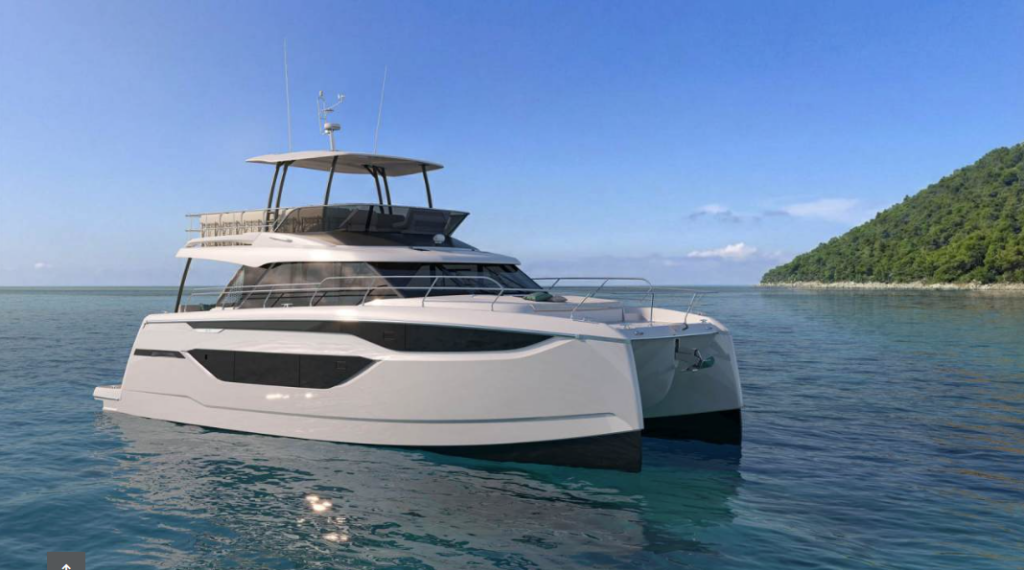
Maximizing Yacht Resale Value From Day One: Specifications & Habits That Pay Off Later
For many owners, the next yacht is funded by the current one. Protecting resale value isn’t something to think about “someday”—it starts the moment you choose your specifications and step aboard for the first time. With the right options, documentation, and day‑to‑day habits, you can position your yacht to command stronger offers and sell faster when it’s time to trade or list.
At Chesapeake Yacht Center, we see daily which vessels attract premium offers and which struggle. The difference is rarely one single feature; it’s a series of smart decisions over the life of the yacht.
Below is a practical guide for long‑term thinkers who want to enjoy their yacht now and preserve value for the future.
1. Choose Specifications With the Next Buyer in Mind
The way you spec your new Princess, Prestige, Pardo, Cranchi, Dyna, Jeanneau, or Navan will have a direct impact on resale. Prioritize options that are consistently in demand in the Mid‑Atlantic market and beyond.
Go “Market Standard” on Core Systems
Certain options are no longer “nice to have”—they’re expected at resale:
- Bow and stern thrusters or joystick controls for easier docking
- Upgraded navigation and electronics from reputable brands (full suites, not partial upgrades)
- Generator and robust shore power configuration sized for realistic onboard use
- Air conditioning and heating including in cabins and key living areas
- Stabilization (gyroscopic or fins) on larger motor yachts
These features influence both perceived luxury and how comfortable a buyer feels stepping into ownership.
Invest in Comfort & Livability
Today’s buyers look for yachts that feel like floating homes:
- Premium interior packages (upgraded woods, fabrics, and countertops that age gracefully)
- Preferred layout options (larger master cabins, functional galley placement, popular seating arrangements)
- Entertainment packages (quality sound, TV, Wi-Fi readiness) that are neatly integrated
Classic, neutral interior choices often outperform trend‑driven colors or unconventional layouts over time.
Think About Power & Performance
Engine selection is a major resale lever:
- Choose widely supported engine brands with strong service networks in the Chesapeake Bay and East Coast region.
- Avoid “over‑powering” for the sake of numbers; instead, select balanced power for cruising efficiency and reliability.
- Stick with factory‑approved performance packages—aftermarket performance modifications can be red flags to future buyers and surveyors.
2. Documentation Practices That Inspire Confidence
When buyers compare similar yachts, pristine documentation is often the deciding factor. It signals care, transparency, and reduced risk.
Keep a Ship’s Log From Day One
Set up a simple digital or physical log and update it consistently:
- Engine hours and generator hours
- Fueling history
- Trip notes and cruising areas
- Any issues observed and how they were resolved
A clean log helps future buyers understand how the yacht has actually been used.
Maintain Organized Service Records
Create a dedicated folder (cloud‑based and physical) for:
- All invoices and work orders from dealers, yards, and technicians
- Warranty claims and correspondence
- Annual haul‑out reports, bottom inspections, and survey findings
- Parts and equipment manuals for major systems
A Chesapeake Yacht Center broker can present this documentation to serious buyers, making negotiations smoother and often supporting a higher asking price.
Title, Registration & Compliance
From the beginning:
- Ensure registration, documentation, and state compliance are clear and current.
- Retain original purchase paperwork and any documentation related to tax treatment.
Unclear ownership or missing paperwork can delay or derail an otherwise strong sale.
3. Service Routines That Protect Mechanical and Structural Value
Yacht buyers will pay more for vessels that have been clearly maintained on schedule by reputable professionals.
Follow Manufacturer Service Intervals—Not Just Hour Counts
Adhere to factory guidelines for:
- Engines and transmissions
- Generator and auxiliary systems
- Stabilizers, thrusters, and steering
- Air conditioning chillers and pumps
Even if hours are low, time‑based services (fluids, filters, impellers, anodes) matter. “By the book” service, documented over several seasons, is a powerful resale asset.
Use Qualified, Brand‑Savvy Technicians
Whenever possible:
- Work with authorized or brand‑familiar service centers, especially for Prestige, Princess, Pardo, Cranchi, Dyna, Jeanneau, and Navan.
- Keep a running record of which technician or yard performed the work.
Buyers and surveyors recognize reputable names and take comfort when the yacht has been cared for by experts.
Don’t Defer Small Repairs
Minor issues—sticky doors, intermittent electronics, slow bilge pumps—tend to grow. At resale, a long “punch list” suggests systemic neglect. Address:
- Leaks and drips immediately
- Any electrical quirks
- Signs of corrosion or moisture intrusion
A yacht that “just works” during a sea trial often justifies a stronger offer.
4. Cosmetic Care: First Impressions and Lasting Protection
Cosmetics are not only about aesthetics; they’re about preserving the underlying structure and hardware.
Exterior: Gelcoat, Paint, and Brightwork
Adopt a consistent schedule:
- Regular washing and drying to remove salt, pollen, and dock grime
- Periodic professional detailing with wax or ceramic coatings to protect gelcoat or paint
- Varnish or sealant maintenance on teak and exterior wood
Sun, salt, and neglect are the biggest cosmetic value killers. Proactive protection keeps the yacht looking newer for longer.
Interior: Clean, Neutral, and Odor‑Free
Inside, focus on:
- Climate control and dehumidification to prevent mildew, especially in Mid‑Atlantic humidity
- Prompt cleaning of spills and stains on upholstery and carpets
- Avoiding strong, lingering odors (smoke, heavy cooking, strong fragrances)
At resale, a fresh, neutral interior photographs better and makes showings more successful.
5. Ownership Habits That Pay Off at Listing Time
Small habits, repeated over years, create the “feel” of a well‑kept yacht.
- Rinse after use: Quick freshwater rinses of exterior surfaces and hardware slow corrosion.
- Cover wisely: Use proper canvas covers and sunshades, but avoid trapping moisture long‑term.
- Mind your loading: Don’t overload lockers with heavy, damp gear that can scuff finishes and trap moisture.
- Keep the yacht “show ready” in season: Tidy lines, organized decks, and minimal clutter make it easier to start showings when the time comes.
Owners who tap into seasonal services, training, and follow‑up support—the kind Chesapeake Yacht Center provides—tend to stay ahead of maintenance and preserve value more naturally.
6. Partnering With the Right Brokerage From the Start
Your relationship with your dealer or broker can play a central role in resale success.
From day one, Chesapeake Yacht Center can:
- Advise on resale‑friendly specifications and options for your chosen brand and model
- Help you set up a maintenance and documentation plan tailored to how and where you cruise
- Provide sea trial, training, and seasonal support so you use your yacht confidently without compromising long‑term value
- When you’re ready, prepare a professional listing package that showcases records, upgrades, and condition to justify premium pricing
If you’re considering a new or pre‑owned yacht and want to maximize its future resale value, our team is here to help you plan ahead.
Contact Chesapeake Yacht Center in Baltimore to discuss your next yacht and how to protect its value from the very first day of ownership.