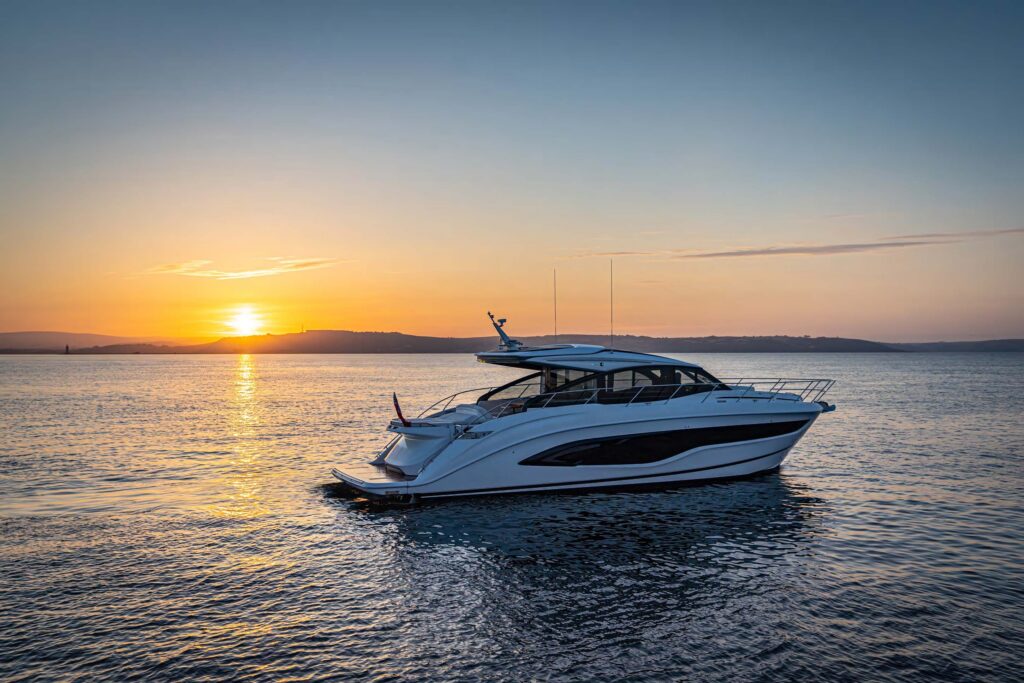
Princess V55 Overview

Princess Yachts V55: The Ideal Family Express Cruiser

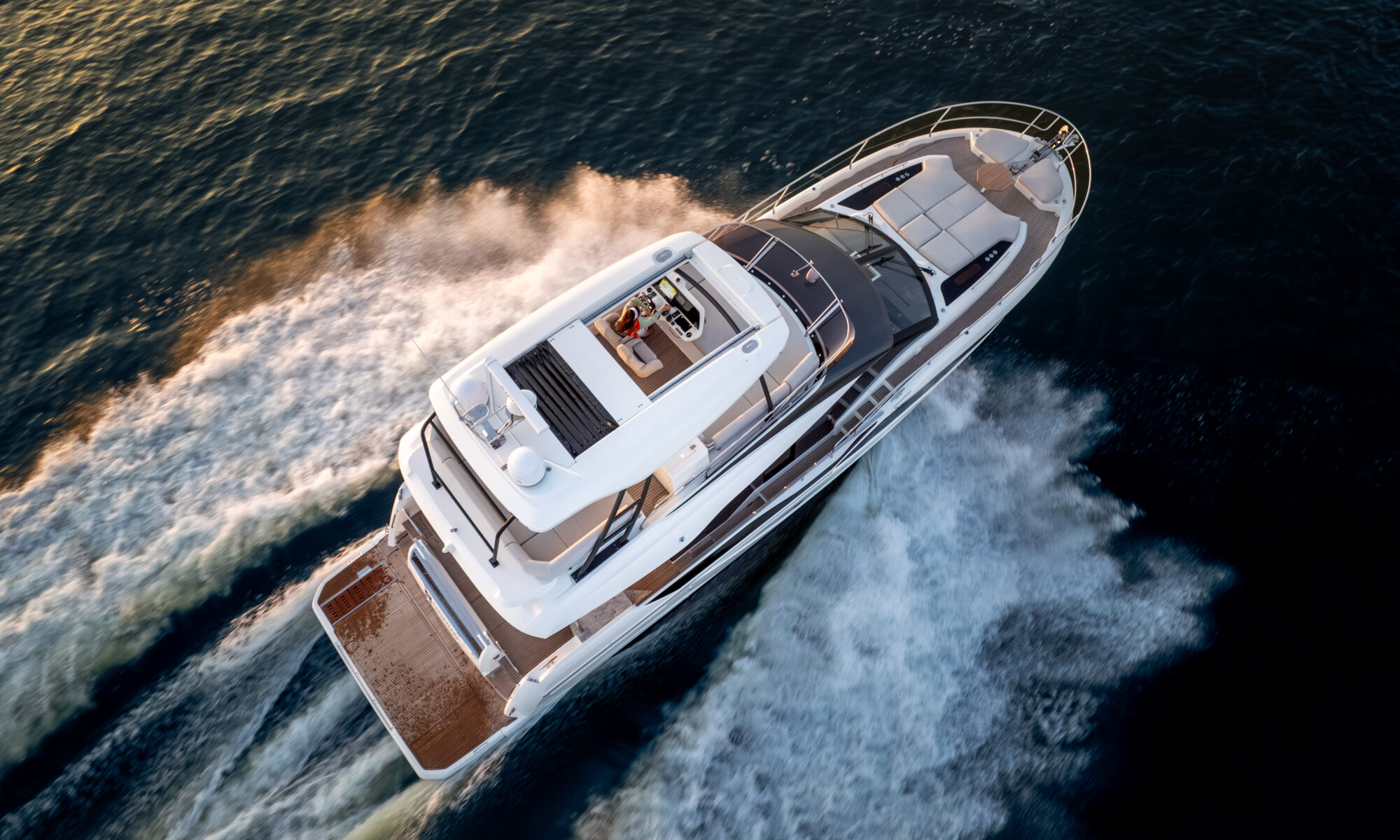
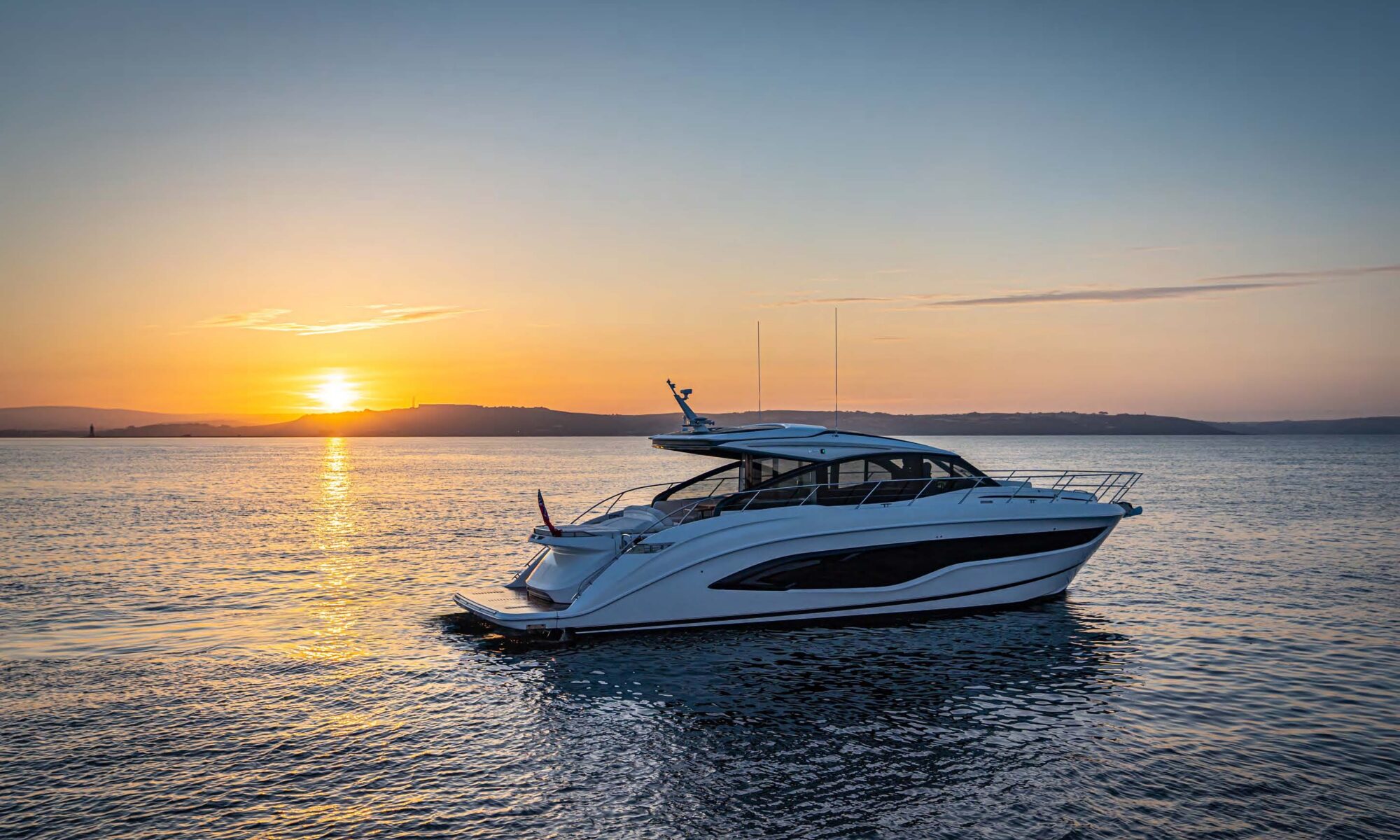
For families who want to enjoy fast, comfortable cruising without compromising on luxury, the Princess Yachts V55 stands out as a near-perfect balance of performance, style, and usability. As an express cruiser, the V55 is designed for owners who value open-air living, effortless day boating, and extended weekend escapes—with the confidence and refinement Princess is known for.

Below is an overview of the key features and benefits that make the Princess V55 an exceptional choice for family yachting.


Striking Design with Family-Friendly Layout

Open Cockpit and Social Spaces

The V55’s layout is engineered around easy, social family time:

  • Expansive cockpit with a large U-shaped seating area and dining table, perfect for family meals and sunset gatherings.
  • Aft sunpad above the tender garage—an ideal lounging zone for kids and adults between swims.
  • Electrically opening saloon doors and retractable sunroof that create a seamless flow between the cockpit and interior, transforming the main deck into one continuous indoor-outdoor living space.

This open-plan configuration provides clear sightlines, excellent ventilation, and plenty of room to spread out, whether you’re entertaining guests or enjoying a quiet weekend with the family.

Three-Cabin, Two-Head Layout

Below deck, the Princess V55 offers a thoughtful three-cabin layout that makes overnighting and longer cruising comfortable for the whole family:

  • Full-beam master stateroom amidships with large hull windows, generous storage, and a private en-suite bath—your peaceful retreat after a full day on the water.
  • Forward VIP cabin with scissor berths that convert from a double to twins, perfect for older children or visiting guests.
  • Third guest cabin with twin berths, ideal for younger children, family friends, or additional storage when needed.

Two well-appointed heads with separate showers make morning and evening routines far more manageable for families aboard.


Performance That Inspires Confidence

Powerful, Responsive Handling

The Princess V55 is engineered to deliver the kind of performance that makes time on the water thrilling yet controlled:

  • High-performance V-Class hull for a dry, stable ride, even in choppier conditions commonly found on the Chesapeake Bay and open Atlantic runs.
  • Efficient planing hull design that delivers impressive speeds while maintaining fuel efficiency.
  • Precise handling and responsive steering, which make the V55 as enjoyable for experienced captains as it is reassuring for those moving up from smaller vessels.

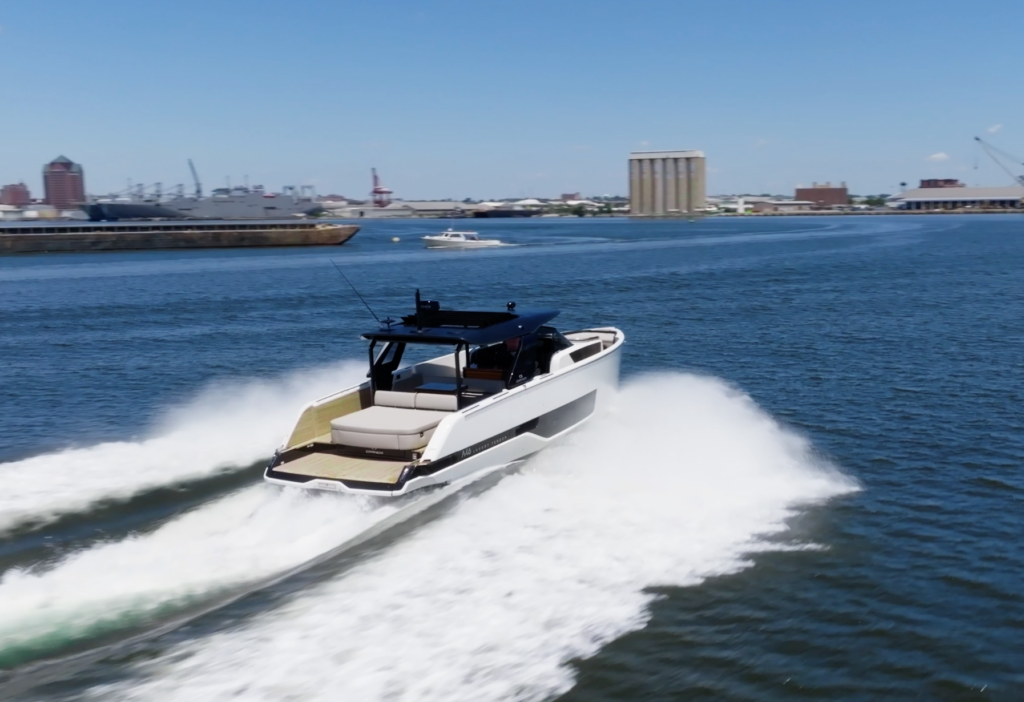
Whether you’re cruising from Baltimore to Annapolis for the day or planning a longer family adventure to the Eastern Shore, the V55’s performance profile gives you the range and confidence to explore widely.

Technology for Stress-Free Cruising

For family cruising, comfort often comes down to how effortless the boat is to operate. The Princess V55 shines here:

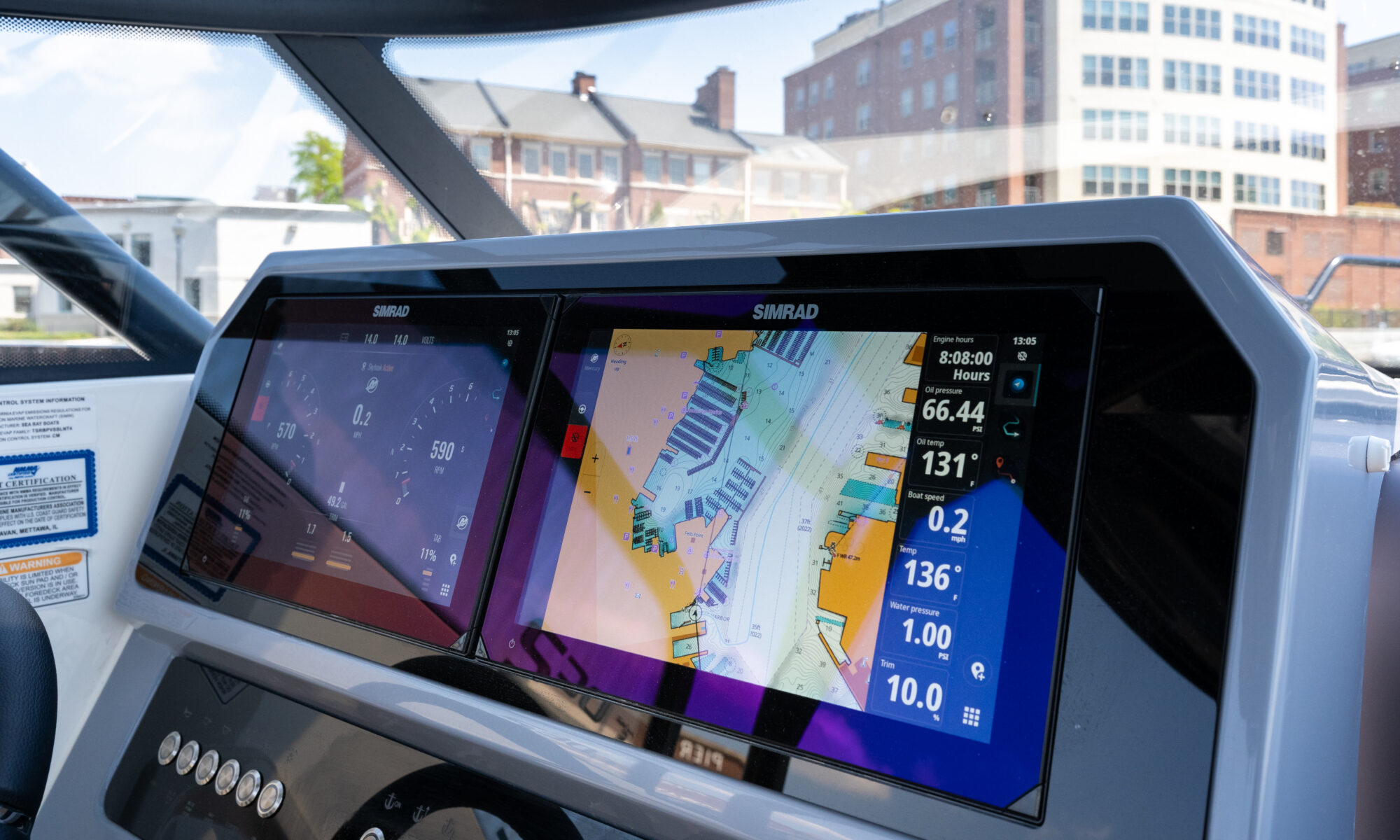
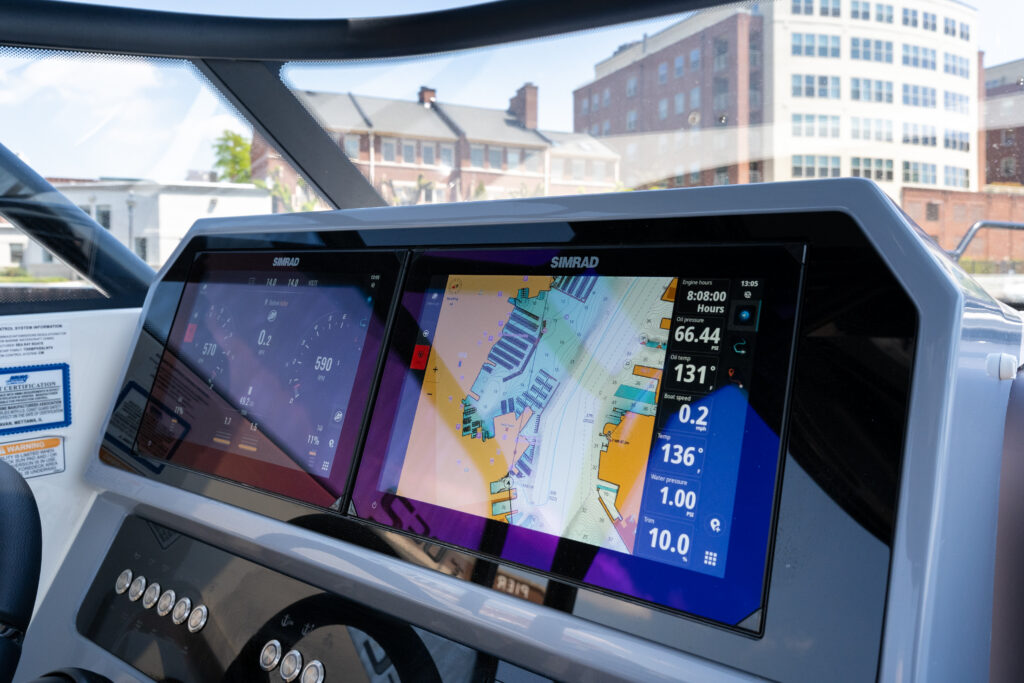
  • Advanced navigation and control systems, typically including multifunction displays, radar, and autopilot integration.
  • Joystick maneuvering (where equipped) that simplifies docking and tight-quarters handling—especially valuable when young passengers are aboard and you want a smooth, drama-free arrival.
  • Bow and stern thrusters for fine-tuned control in marinas and busy harbors.

These features help reduce the stress of close-quarters operations, making the V55 a highly approachable platform for owner-operators.


Comfort and Luxury Tailored to Family Life

Elegant Interior, Practical Details

Inside, the V55 delivers the refined fit and finish expected from Princess Yachts:

  • Premium materials throughout—fine woods, supple upholstery, and designer finishes that maintain a light, contemporary feel.
  • Well-equipped galley with full-size appliances, ample counter space, and smart storage, enabling easy provisioning and meal preparation for extended weekends.
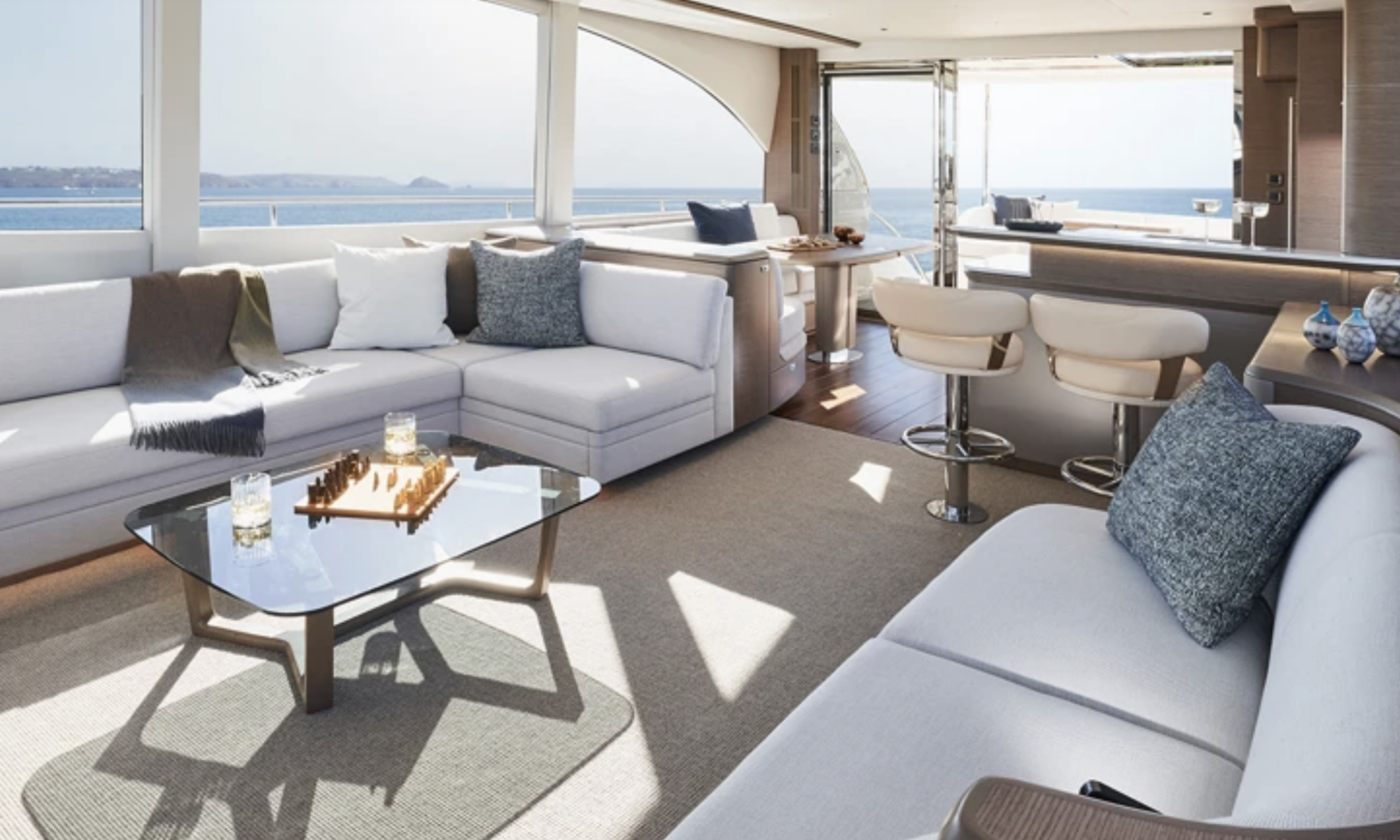
  • Comfortable saloon seating with generous headroom and natural light from the large hull and overhead windows.

Yet, despite the high-end ambiance, the layout and materials are thoughtfully chosen for real-world family use, prioritizing durability and ease of maintenance.

Climate Control and All-Weather Enjoyment

The V55 is designed to be enjoyed across seasons and climates:

  • Powerful air conditioning and heating systems keep the interior comfortable year-round.
  • Convertible main deck with sunroof and opening windows allows you to enjoy a breezy, open feel on warm days, then close everything up for a cozy, climate-controlled space when conditions change.

For Mid-Atlantic families, this flexibility is invaluable—whether you’re enjoying crisp spring weekends on the Chesapeake or peak summer afternoons offshore.


Outdoor Living and Water Access

Swim Platform and Water Sports Hub

The V55’s stern is purpose-built for active families:

  • Large swim platform (often hydraulic on many builds) makes getting in and out of the water easy for all ages.
  • Tender garage that can accommodate a compact tender or water toys, freeing up deck space while keeping equipment secure and accessible.
  • Cockpit wet bar with grill, sink, and refrigeration options for effortless outdoor cooking and refreshments.

This water-level living area naturally becomes the heart of the action—whether your family enjoys swimming, paddleboarding, tubing, or simply relaxing at anchor.

Safe, Thoughtful Deck Design

Safety is a paramount concern for families, and the V55 addresses it with:

  • Deep, secure side decks with sturdy handrails for confident movement forward.
  • Foredeck sunpads and seating with protective rails—giving you another social zone while underway or at anchor.
  • Well-placed grab rails and non-slip surfaces for added peace of mind.

These details contribute to a secure environment, allowing children and guests to move more freely while you focus on navigation and the experience.


Why the Princess V55 Is a Perfect Family Express Cruiser

When you combine its performance, layout, and luxury features, the Princess Yachts V55 hits a rare sweet spot:

  • Spacious yet manageable: Large enough for extended family cruising, yet still very approachable for owner-operators.
  • Indoor-outdoor flexibility: An open express design that transitions seamlessly between dayboat fun and comfortable overnight accommodations.
  • Luxury without compromise: Premium craftsmanship blended with practical, family-friendly design.
  • Confidence and capability: A proven hull and advanced systems that make regional cruising—across the Chesapeake Bay, up and down the East Coast, or to nearby resort destinations—both exciting and reassuring.

For discerning buyers seeking a high-performance express cruiser that will truly serve as a family retreat on the water, the Princess V55 deserves serious consideration.


Explore the Princess V55 with Chesapeake Yacht Center

Chesapeake Yacht Center offers a concierge-level experience for clients considering the Princess V55 and other luxury Princess models. From private viewings and tailored financing guidance to delivery, training, and ongoing seasonal support, our team is here to make your yacht ownership journey effortless and enjoyable.

To explore current Princess V55 opportunities or schedule a personalized consultation, contact Chesapeake Yacht Center today.

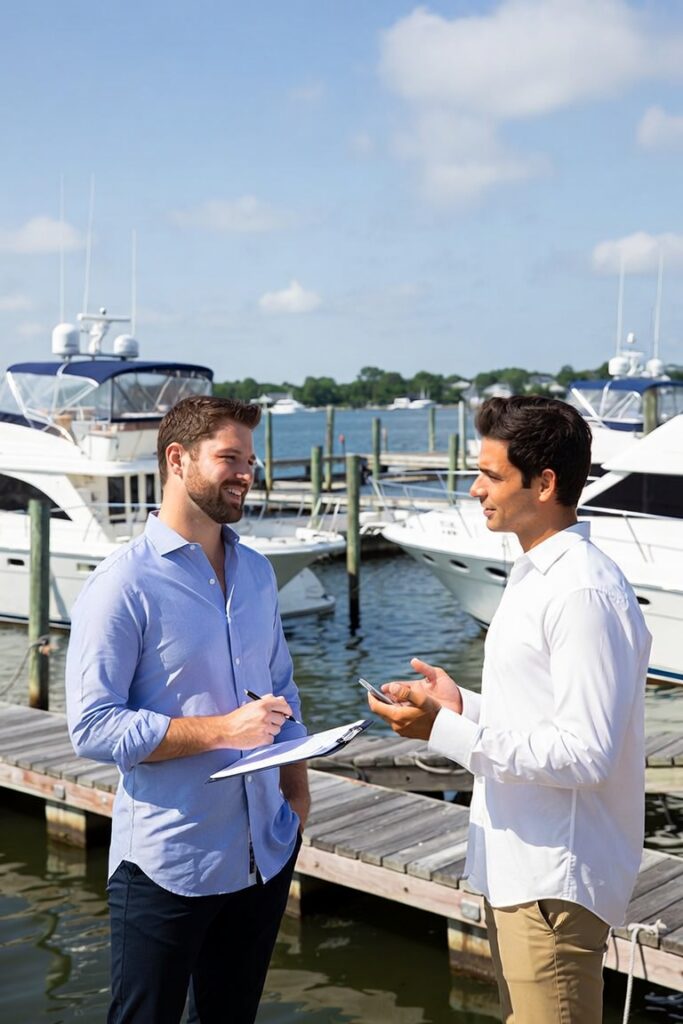
Five overlooked questions to ask your yacht broker to protect resale value and enjoyment

Five Overlooked Questions To Ask Your Yacht Broker To Protect Resale Value And Enjoyment

Selecting the right yacht is about far more than length and layout. The questions you ask your yacht broker will shape not only your experience on the water today, but also your yacht’s resale value years from now.

Beyond the obvious “What’s the price?” and “How many hours are on the engines?”, there are more strategic questions that savvy buyers in the Mid‑Atlantic and beyond should be asking. Here are five often-overlooked questions that can dramatically impact both your long-term enjoyment and your exit strategy when it’s time to sell.


1. “Which options and packages will actually help – not hurt – my resale value?”

Yacht options can be tempting. It’s easy to fall in love with every upgrade on the list, but not every feature returns value when you sell.

A knowledgeable broker should help you distinguish between:

  • Value-building options – Commonly requested by buyers and recognized by surveyors.
  • Neutral options – Nice to have, but unlikely to move the needle.
  • Niche or over-personalized options – Great for you, but may narrow the future buyer pool.

Ask your broker:

  • Which options are “must-haves” in your size and class of yacht (e.g., joystick docking, upgraded generator, Seakeeper or other stabilization, premium electronics packages).
  • Which décor upgrades or customizations will date quickly or limit appeal.
  • How local buyers in the Chesapeake Bay and Mid‑Atlantic markets respond to features like hardtops, open cockpits, or specific cabin layouts.

A broker with a strong listing history across brands like Prestige, Princess, Pardo, Cranchi, Dyna, Jeanneau, and Navan will have the data to guide you toward configurations that consistently resell faster and closer to asking price.


2. “How does this brand and model typically age over 5–10 years?”

You’re buying joy on the water today, but depreciation curves and long‑term durability matter just as much.

This question invites your broker to share insight that only comes from years of listing, surveying, and reselling specific yachts:

  • Historical resale performance

    • Does this model hold value better than its competitors?
    • Are there production years or hull numbers that are more desirable?
  • Known service patterns

    • Are there recurring items that appear in surveys at the 5‑ or 10‑year mark?
    • How accessible are systems for routine maintenance?
  • Brand reputation with second and third owners

    • Are buyers actively seeking this brand on the brokerage market?
    • How does it compare to similar European and American builders in perceived quality?

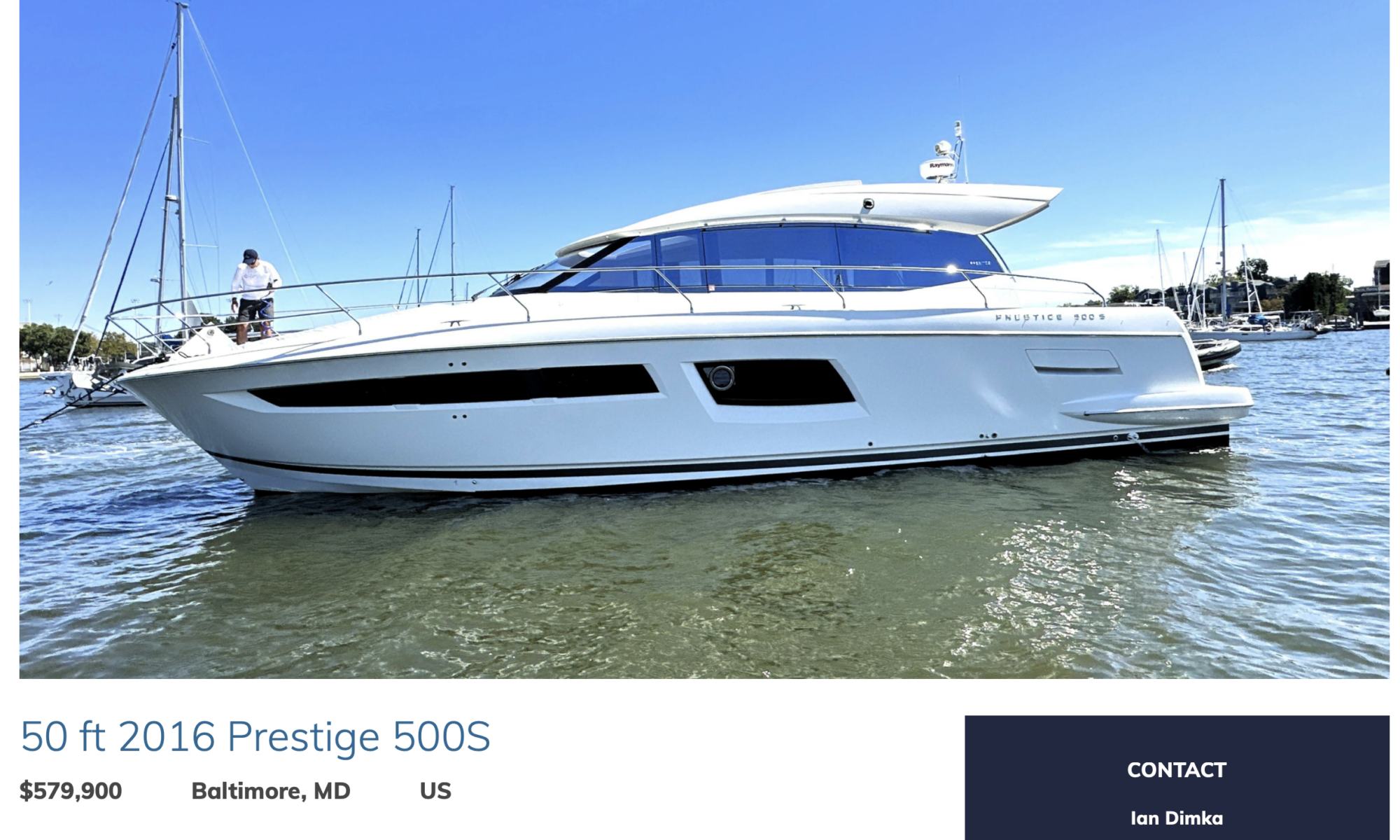
For example, some families value the reputation and lineage of brands like Prestige or Princess Yachts when they step into the brokerage market; others are drawn to the performance heritage of builders like Pardo or Cranchi. Understanding how each brand is viewed by second‑hand buyers helps protect your exit value from day one.


3. “What is the real cost of ownership in this cruising area?”

A yacht that looks perfect on paper may feel very different when you factor in real‑world use on the Chesapeake Bay, along the Atlantic coast, or on extended trips south.

Ask your broker to walk you through:

  • Typical fuel burn in your waters

    • What’s the realistic cruising speed and range in local conditions?
    • How does that compare to similar models?
  • Seasonal operating and storage considerations

    • How does winterization and storage work in Maryland and the Mid‑Atlantic?
    • What should you budget annually for haul‑outs, bottom paint, and routine services?
  • Dockage, access, and draft

    • Any limitations in your home marina based on beam or draft?
    • Would a different model or configuration provide easier access to your favorite anchorages?

A broker anchored in the region can translate specs into real, lived experience—how that yacht behaves in a summer afternoon chop on the Bay, how often local owners run to the ocean, and what that means for your ongoing costs and enjoyment.


4. “What support will I receive after closing – and how does that impact value?”

Many buyers underestimate the difference a true concierge-level broker can make after the sale. The period immediately following delivery can set the tone for both your ownership experience and the yacht’s long‑term condition.

Clarify with your broker:

  • Training and onboarding

    • Will you receive hands‑on instruction for docking, systems operation, and safety?
    • Is there support for new boaters, families, or owners moving up in size?
  • Warranty and service coordination

    • Who is your point of contact for warranty issues?
    • Does the broker coordinate with authorized service centers and manufacturers?
  • Seasonal and long‑term care

    • Can they recommend trusted providers for detailing, mechanical care, and off‑season work?
    • Are there proactive maintenance plans that keep the yacht “show ready” for future resale?

Yachts that are well cared for from the very beginning, with documented service and professional oversight, consistently command stronger offers when they return to market. A broker whose team stays involved—through follow‑up, seasonal services, and refreshers—quietly protects your investment year after year.


5. “If I wanted to sell this yacht in 3–5 years, what would your listing strategy be?”

This may feel premature when you’re still in the buying phase, but it is one of the most powerful questions you can ask.

Invite your broker to think ahead:

  • Ideal timing and market cycles

    • When do yachts in this size and category typically sell fastest in the Mid‑Atlantic?
    • Are there seasonal windows that attract more serious buyers?
  • Target buyer profile

    • Who is the most likely next owner—local family, experienced cruiser, first‑time buyer?
    • Does the layout and equipment list align with that profile?
  • Presentation and pricing strategy

    • What would they recommend today to ensure strong photography, records, and curb appeal later?
    • How would they position this yacht against competing brokerage listings nationwide?

An experienced yacht brokerage, especially one that lists and sells a wide variety of new and pre‑owned luxury yachts, can essentially “reverse engineer” your purchase so it’s easier to exit with confidence when your boating needs evolve.


Working With A Broker Who Thinks Like An Owner

The most valuable brokers don’t just sell you a yacht; they help you steward a lifestyle and an asset.

At Chesapeake Yacht Center, our team treats every conversation as the beginning of a long‑term relationship. From helping you choose the right brand and model, to advising on options that preserve resale strength, to standing beside you for training, seasonal service, and eventual brokerage, our approach is deliberately concierge‑driven.

If you’re considering a new or pre‑owned yacht and want a broker who protects both your enjoyment and your investment, contact Chesapeake Yacht Center in Baltimore to schedule a private consultation and explore our current inventory.

Financing a yacht without headaches: rate structures, down payments, and terms explained clearly

Financing a Yacht Without Headaches: Rates, Down Payments, and Terms Explained

Financing a yacht should feel exciting, not overwhelming. With the right structure and guidance, your yacht loan can be as well-planned as your first cruise itinerary. This guide breaks down the key elements—interest rates, down payments, and loan terms—so you can approach the decision with clarity and confidence.


How Yacht Financing Works

Yacht financing is similar to a home mortgage in structure, but it behaves more like a blend of real estate and luxury asset lending:

  • The yacht serves as collateral for the loan.
  • Most loans are fixed-rate, fully amortizing (you pay principal and interest each month).
  • Terms commonly range from 10 to 20 years, depending on the yacht and borrower profile.
  • Lenders place strong emphasis on your overall financial picture, not just income alone.

A boutique, concierge-style dealership such as Chesapeake Yacht Center works closely with marine lenders, helping you compare options and structure a loan that aligns with how you actually plan to use your yacht.


Understanding Yacht Loan Interest Rates

What Determines Your Rate?

Yacht loan interest rates are influenced by several key factors:

  • Credit profile: Strong credit history and a solid FICO score typically secure lower rates.
  • Loan amount: Larger, well-qualified loans may receive more competitive pricing.
  • Loan-to-value (LTV) ratio: The percentage of the yacht’s purchase price you’re financing. Lower LTV often means better terms.
  • Yacht age and type: Newer yachts from reputable builders generally qualify for more favorable rates than older or highly specialized vessels.
  • Fixed vs. variable: Most yacht loans are fixed-rate, which simplifies budgeting and protects you from market swings.

Fixed vs. Variable Rates

While marine lenders overwhelmingly favor fixed-rate loans, you may occasionally see variable or adjustable options:

  • Fixed-rate loans

    • Same rate for the entire term
    • Predictable monthly payments
    • Ideal for long-term ownership and easier budgeting
  • Variable/adjustable loans

    • Rate may reset based on an index (e.g., prime or SOFR)
    • Initial rate can be lower, but may increase over time
    • Best for buyers who plan a short holding period and can tolerate rate changes

For most yacht buyers, a fixed-rate structure delivers the least “headache,” providing certainty over the life of the loan.


Down Payments: What to Expect

A realistic understanding of down payment expectations will help you move quickly when you find the right yacht.

Typical Down Payment Ranges

Marine lenders typically require:

  • 10%–20% down for many new production yachts with strong resale profiles
  • 15%–25% down for larger yachts, older models, or specialized builds
  • Higher down payments if the yacht is older, heavily customized, or if your financial profile is more complex

New yachts from established brands represented by Chesapeake Yacht Center—such as Prestige, Princess, Pardo, Cranchi, Dyna, Jeanneau, and Navan—often qualify for some of the most favorable structures.

How Your Down Payment Affects the Loan

Your down payment directly influences:

  • Monthly payment: More money down = lower balance = lower monthly cost.
  • Total interest paid: Financing less over time means paying less interest overall.
  • Approval odds and terms: Strong equity can offset risk factors such as older yachts or more complex income profiles.

A concierge sales team can help you test different down payment scenarios, so you can decide whether it makes more sense to preserve cash, reduce your monthly payment, or shorten your term.


Loan Terms: Finding the Right Length

Choosing the right loan term is about balancing comfort today with long-term cost.

Common Yacht Loan Terms

  • 10-year terms (120 months):

    • Higher monthly payments
    • Lower total interest cost
    • Good fit if you prefer to build equity quickly and may trade up sooner
  • 12–15-year terms (144–180 months):

    • Widely used for mid-size motor yachts and cruisers
    • Provides a middle ground between affordability and total cost
  • 20-year terms (up to 240 months):

    • Lowest monthly payments
    • Highest total interest paid over the life of the loan
    • Can make larger, luxury yachts more accessible from a cash-flow perspective

Which Term Is Right for You?

Consider:

  • How often you plan to use the yacht
  • Whether you foresee upgrading in 5–7 years
  • Your broader financial picture (investments, real estate, retirement)

Some buyers choose a slightly longer term for flexibility, then make voluntary extra principal payments when cash flow allows. The right lending partner will confirm there are no prepayment penalties, allowing you to pay down faster without restriction.


New vs. Pre-Owned: Financing Considerations

Both new and pre-owned yachts can be financed competitively, but the details do differ.

Financing a New Yacht

  • Often qualifies for longer terms and lower rates
  • Clear valuation and warranty coverage can be attractive to lenders
  • Easier to estimate ownership costs since systems are new and under warranty

Financing a Pre-Owned Yacht

  • Terms may be slightly shorter, especially for older vessels
  • A marine survey is usually required to support value and condition
  • Detailed service records and brand reputation help secure better terms

Working with a brokerage that specializes in luxury brands and maintains strong lender relationships ensures that a well-kept pre-owned yacht is represented accurately and favorably.


Making the Process Seamless

To keep yacht financing straightforward and stress-free:

  • Prepare documentation early: Recent tax returns, asset statements, and credit information.
  • Clarify your budget: Look at all-in ownership—payment, insurance, dockage, maintenance, and fuel.
  • Leverage concierge guidance: A seasoned sales team can coordinate between lender, surveyor, insurer, and documentation specialists.
  • Align financing with usage: Structure a loan that supports how and how often you plan to enjoy your yacht.

At Chesapeake Yacht Center, financing support is built into a comprehensive ownership experience—from securing the right structure and coordinating closing, to delivery, training, and ongoing seasonal services.


Ready to Explore Yacht Financing Options?

If you’re considering a new or pre-owned yacht and want clear, confident guidance on rates, down payments, and terms, Chesapeake Yacht Center is here to help.

Contact our team to discuss your goals, compare financing scenarios, and design a seamless path to your next yacht.

Comparison: express cruiser versus flybridge for family weekends, storage needs, visibility, and guest privacy

Express Cruiser vs. Flybridge: Which Is Better for Family Weekends on the Water?

Choosing between an express cruiser and a flybridge yacht is one of the most important decisions families make when planning their time on the water. Both deliver comfort, performance, and style—but they create very different experiences when it comes to weekend cruising, storage, visibility, and guest privacy.

At Chesapeake Yacht Center, we help clients navigate this decision every day across brands like Prestige, Princess, Pardo, Cranchi, Dyna, Jeanneau, and Navan. Below is a clear, side‑by‑side look at how each style performs for real family use.


Big Picture: How You Use the Boat

Before diving into the details, it helps to think about how you’ll actually use your yacht:

  • Do you prefer open-air driving and sunbathing, or shaded comfort and elevated views?
  • Will you be hosting overnight guests often, or mostly day cruising with close family?
  • Do you pack light, or bring paddleboards, water toys, spare linens, and extra food for the weekend?

Your answers naturally point toward either an express cruiser or a flybridge.


Express Cruisers: Sporty, Social, and Close to the Water

Express cruisers (sometimes called sport cruisers or hardtops) offer a sleek, low-profile look with most living and entertaining space on a single main deck.

Why Families Love Express Cruisers

1. Social cockpit layout

  • Open cockpits with U-shaped seating keep everyone together.
  • Easy flow from swim platform to cockpit to salon.
  • Great for families who enjoy being close to the water and active on the aft deck.

2. Sporty handling

  • Lower profile often translates to a more “connected to the water” feel.
  • Many express designs favor speed and agility—ideal for quick runs between anchorages.

3. Indoor–outdoor flexibility

Modern models from builders like Pardo, Cranchi, and Jeanneau offer:

  • Retractable sunroofs
  • Large sliding doors
  • Opening side windows

You can enjoy open‑air cruising on a sunny day, then quickly close everything up for air-conditioned comfort.


Flybridge Yachts: Space, Visibility, and Separation of Areas

Flybridge yachts add a second deck above the main salon, creating a dedicated upper helm and lounge area.

Why Families Choose Flybridge Yachts

1. Extra living zone

The flybridge itself becomes an additional “room” with:

  • Upper helm station
  • Dining or lounge area
  • Sunpads or modular seating
  • Often a wet bar or grill

This gives families another place to spread out without increasing length overall.

2. Shaded main deck comfort

While some guests enjoy sun and wind on the flybridge, others can relax in a shaded cockpit or climate-controlled salon. This layered layout works very well for multi‑generational families.

3. Residential feel belowdecks

Brands like Prestige and Princess are known for flybridge layouts that feel like a floating home:

  • Spacious salons
  • Well-defined dining spaces
  • Generous cabins with ensuite heads

For families spending full weekends—or longer—aboard, the sense of volume is a major advantage.


Storage: Where Everything Actually Goes

For weekend family cruising, storage quickly separates the “nice to have” from the “need to have.”

Storage on Express Cruisers

Express cruisers often feature:

  • Large cockpit lockers and under-seat storage
  • Dedicated spaces for fenders and lines
  • A transom garage on some models for a tender or toys

However, because so much of the boat is devoted to a sleek profile and open cockpit, you’ll want to be thoughtful about:

  • Bulky gear (paddleboards, inflatables, beach chairs)
  • Extra provisions for longer weekends
  • Spare bedding and towels for guests

Families who pack efficiently and travel light tend to be very happy on express cruisers.

Storage on Flybridge Yachts

Flybridge yachts typically provide:

  • Additional cabinetry in the salon and galley
  • More built‑in storage in staterooms
  • Extra lockers and under‑seat spaces on the flybridge itself

This creates more flexibility for:

  • Stocking up on food and beverages
  • Keeping toys and gear out of sight
  • Storing seasonal items long-term

For families who prefer to keep the boat “ready to go” at a moment’s notice, the extra volume of a flybridge can be a practical advantage.


Visibility and Driving Experience

How and where you like to run the boat is another key differentiator.

Express Cruiser Visibility

On an express cruiser:

  • The primary helm is on the main deck, forward in the salon or under a hardtop.
  • Sightlines can be excellent, especially on newer designs with large glass and slim mullions.
  • You are closer to the water, which enhances the sense of speed and connection.

This is ideal if:

  • You prefer a sportier driving experience.
  • You cruise more in shoulder seasons and want a fully protected helm.
  • You like being at the same level as guests in the cockpit and salon.

Flybridge Visibility

A flybridge yacht offers:

  • Elevated sightlines—excellent for navigation in busy waterways or tight marinas.
  • A commanding view that many captains find more relaxing at cruising speed.
  • The option to choose between upper and lower helms depending on conditions.

Families who cruise extensively in the Chesapeake Bay and along the Atlantic coast often appreciate the ability to:

  • Use the flybridge helm in good weather for maximum visibility.
  • Shift to the lower helm when it’s windy, cool, or raining.

Guest Privacy and Onboard Comfort

For family weekends—especially with grandparents, teenagers, or friends aboard—privacy is often the deciding factor.

Guest Privacy on Express Cruisers

Express cruisers are very social by nature:

  • Main living areas are integrated: cockpit, helm, and salon flow together.
  • Cabins are usually just a few steps away from the action.

This is perfect for:

  • Close-knit families who stay up and wake up together.
  • Short weekend trips where constant togetherness is part of the appeal.

If you frequently host guests who value separation and quiet, you’ll want to evaluate cabin layouts carefully and look for:

  • Separate entrances to cabins, when possible
  • Well-insulated bulkheads
  • A private master cabin away from traffic routes

Guest Privacy on Flybridge Yachts

Flybridge yachts naturally create separation of spaces:

  • Guests can relax on the flybridge, while others enjoy the salon or cockpit.
  • Children or teens can watch movies below while adults dine above.
  • Night owls can enjoy the upper deck, leaving cabins quiet and undisturbed.

Stateroom arrangements on many flybridge models (especially from Prestige and Princess) are designed to:

  • Maximize distance between master and guest cabins.
  • Offer ensuite or semi‑private heads.
  • Provide clear, private circulation belowdecks.

For frequent hosting or longer stays aboard, this added privacy is often a major benefit.


Which Is Right for Your Family?

In simple terms:

  • Choose an express cruiser if you value:

    • Sleek, sporty styling
    • A highly social, open cockpit layout
    • Being close to the water and active on deck
  • Choose a flybridge yacht if you value:

    • Maximum living space and storage
    • Elevated visibility and dual helms
    • Greater separation and privacy for family and guests

The best choice ultimately comes from stepping aboard, experiencing the layout, and picturing your family’s weekends in each environment.


Explore Express and Flybridge Yachts with Chesapeake Yacht Center

Chesapeake Yacht Center’s concierge team can walk you through specific express and flybridge models from Prestige, Princess, Pardo, Cranchi, Dyna, Jeanneau, and Navan—matched to how your family truly uses the water.

Schedule a private appointment at our Baltimore headquarters or on the Chesapeake Bay, compare layouts side by side, and let us design a yacht ownership experience tailored to your lifestyle.

Contact Chesapeake Yacht Center today to start planning your next family weekends on the water.

Why Cranchi walkaround design shines at Baltimore’s Inner Harbor docks, and how we outfit stern access

Why Cranchi Walkaround Design Shines at Baltimore’s Inner Harbor Docks – And How We Outfit Stern Access

Baltimore’s Inner Harbor is one of the Mid-Atlantic’s most dynamic urban waterfronts—a place where yachts are not just moored, but actively lived on, shown off, and enjoyed. In this environment, layout and deck design matter as much as horsepower and hull shape.

This is where the Cranchi walkaround concept truly stands out. At Chesapeake Yacht Center, we’ve seen how these Italian-built yachts are uniquely suited to the close-quarters, social, and highly visible setting of the Inner Harbor—and how thoughtful stern outfitting elevates the experience even further.


The Cranchi Walkaround Advantage in an Urban Harbor

360° access in tight marina conditions

Inner Harbor slips can be compact, with frequent foot traffic on the docks and neighboring vessels close by. A walkaround design gives you:

  • Full, unobstructed side decks from bow to stern
  • Safe movement when docking, handling lines, or adjusting fenders
  • Easy bow access for anchoring in nearby coves or rafting up with friends

On a Cranchi walkaround, crew and guests don’t need to climb over sunpads or squeeze past furniture to get forward. That extra freedom of movement becomes invaluable during busy weekends and special events at the Harbor.

Social flow that feels made for city waterfronts

Baltimore’s Inner Harbor is as much about the scene as the sea. Cranchi’s walkaround layout enhances the social aspect of your time on the water:

  • Guests can circulate naturally from cockpit to bow lounge to swim platform
  • Multiple conversation zones, without anyone feeling “stuck” in one area
  • Bow sunpads and forward lounges become a front-row seat to the Harbor skyline, fireworks, and waterfront events

Instead of one primary gathering spot, the yacht becomes an open, continuous entertain­ment space—perfect for hosting clients, family, or friends right at the docks.


Stability, Visibility, and Confidence in Close Quarters

Confident line handling and docking

Inner Harbor slips often require precise maneuvering. On a Cranchi walkaround:

  • Side decks provide secure footing with handholds exactly where you need them
  • Crew can move quickly and safely to take a line or fend off in a breeze
  • Clear pathways mean fewer trip hazards and less stress in tight approaches

For owners who are new to city marinas, this user-friendly layout significantly shortens the learning curve.

Better sightlines for the captain

Modern Cranchi designs pair the walkaround concept with thoughtful helm ergonomics:

  • Excellent sightlines to the bow and stern assist in tight maneuvering
  • Sliding doors and side-deck access give the captain quick movement to the rail
  • The design supports short-handed operation, ideal for couples cruising alone

In a busy harbor with tour boats, water taxis, and paddle craft, that situational awareness is invaluable.


Why Stern Access Matters So Much in Baltimore’s Inner Harbor

The stern is often your front door in the Inner Harbor. Friends step aboard from the dock at the swim platform; dock staff approach from aft; tenders, kayaks, and water toys are launched here as well. A well-thought-out stern turns arrivals and departures into a seamless experience.

Everyday practicality at the dock

At Chesapeake Yacht Center, we consistently focus on these stern priorities for Inner Harbor boaters:

  • Safe, level boarding from a variety of dock heights
  • Well-placed grab rails and non-skid surfaces
  • Storage solutions for lines, shore power cords, and fenders
  • Clean integration of shoreside utilities without visual clutter

Done properly, boarding feels intuitive and secure, even for guests new to boating.

Enhancing the “waterfront patio” feel

The aft deck is often your private terrace on the city. With the right stern configuration, Cranchi walkaround models feel like a floating extension of your Inner Harbor condo or home:

  • Comfortable cockpit seating facing the skyline
  • Easy transition from cockpit to swim platform “beach club”
  • Space for a grill, cocktail table, or convertible sunpad

The result is a yacht that’s just as enjoyable tied up at the dock as it is cruising the Chesapeake.


How Chesapeake Yacht Center Custom-Outfits Cranchi Stern Access

Thoughtful platform and boarding solutions

We work with clients to match stern access to how they actually use their yacht:

  • Extended or hydraulic swim platforms for swimmers, pets, and water toys
  • Integrated boarding ladders and grab rails for safe, repeatable boarding
  • Custom steps or removable ladders depending on slip configuration in the Inner Harbor

Our team evaluates your specific slip, tide ranges, and dock conditions to tailor the setup. What works at a resort marina isn’t always ideal for a city harbor; we design for the reality of your home port.

Storage, utilities, and rigging details

The stern is where function can overwhelm form—unless it’s handled correctly. We focus on:

  • Hidden or organized shore power hookups to minimize trip hazards
  • Dedicated lockers for lines and fenders near where they’re actually used
  • Clean routing of water hoses, cable TV, and internet so they’re accessible but discreet

These small details make a daily difference, especially if you’re using the yacht frequently as a social hub at the docks.

Lifestyle-driven upgrades

Cranchi’s walkaround design provides the canvas; we help you personalize it:

  • Cockpit and platform lighting for evening ambiance at the Inner Harbor
  • Audio system tuning and speaker placement for dockside entertaining
  • Optional rail-mounted or integrated grilling solutions
  • Upholstery and table choices that complement your aesthetic and use patterns

Our concierge approach means we’re involved well beyond the sale—advising, sourcing, and coordinating these upgrades so everything feels cohesive from day one.


Experience Cranchi Walkaround Yachts at Baltimore’s Inner Harbor

Cranchi’s walkaround design offers exactly what Inner Harbor boaters value most: safe, easy movement; elevated social spaces; and confident handling in a busy, urban marina. When paired with carefully designed stern access and outfitting, the result is a yacht that feels perfectly at home on Baltimore’s iconic waterfront.

To explore Cranchi walkaround models and discuss how we can tailor stern access to your Inner Harbor slip or home marina, contact Chesapeake Yacht Center today to schedule a private consultation and on-the-water viewing.

Pre-owned showcase behind the scenes: how our brokerage vets listings, records, and engine diagnostics

Pre-Owned Yacht Showcase, Behind the Scenes: How Our Brokerage Vets Listings, Records, and Engine Diagnostics

When you step aboard a pre-owned yacht at Chesapeake Yacht Center, the experience is designed to feel confident, effortless, and enjoyable. Behind that seamless experience is a rigorous, methodical process that our brokerage team follows long before a vessel ever reaches our showcase.

For discerning buyers, understanding how we evaluate pre-owned yachts is key to knowing you’re in safe hands. Here is a behind-the-scenes look at how we vet listings, review records, and dig into engine diagnostics to protect your investment.


1. Curating the Right Pre-Owned Listings

Not every yacht qualifies for our brokerage portfolio. We start by carefully curating which vessels we represent, focusing on quality, provenance, and suitability for our clients’ expectations.

Initial Screening

Before we take a listing:

  • Brand & build quality – We specialize in respected builders such as Prestige, Princess, Pardo, Cranchi, Dyna, Jeanneau, Navan, and other proven names with strong reputations for engineering and support.
  • Ownership profile – We speak directly with the owner to understand:

    • Why they are selling
    • How the yacht has been used (cruising, seasonal use, liveaboard, etc.)
    • Where it has been moored and stored
  • Condition overview – A preliminary walk-through and photo review help us quickly identify:

    • Obvious cosmetic issues
    • Signs of deferred maintenance
    • Evidence of prior damage or substandard repair work

If a yacht doesn’t meet our standards or appears to require extensive unknown work, we advise the owner honestly—and in many cases, we decline the listing.


2. Comprehensive Document & Maintenance Record Review

Once a yacht passes the initial screen, we move into a detailed documentation phase. Our goal is to build a clear, verifiable history of the vessel.

Title, Registration, and Lien Checks

We verify that the yacht can be conveyed cleanly and legally:

  • Title and registration – Confirm that the seller is the legal owner and that all documentation matches the HIN (Hull Identification Number) and engine serials.
  • Lien and encumbrance review – Identify any outstanding loans, maritime liens, or other claims that must be resolved prior to closing.
  • Compliance – Ensure the vessel is properly documented for its size and intended use, whether state-registered or U.S. Coast Guard documented.

Maintenance and Service Records

Service history tells the real story of a pre-owned yacht. We request and analyze:

  • Engine and generator service logs
  • Warranty work orders from authorized dealers
  • Receipts for major upgrades or refits (electronics, stabilizers, thrusters, etc.)
  • Haul-out records for bottom paint, running gear service, and inspections

We pay close attention to:

  • Adherence to manufacturer-recommended service intervals
  • Professional yard work vs. unverified “DIY” repairs
  • Patterns that could indicate recurring issues (overheating, oil leaks, electrical problems)

Where possible, we cross-check records with authorized service centers and engine manufacturers to validate dates, hours, and reported work.


3. Physical Condition Assessment: Hull, Deck, and Systems

A well-documented paper trail is only part of the picture. Our team performs a thorough physical assessment aimed at uncovering both cosmetic and structural issues.

Exterior & Structural Review

We look closely for:

  • Gelcoat and paint condition – Checking for blistering, fading, or signs of collision repair.
  • Hull integrity – Inspecting the hull sides, transom, and bottom (when hauled) for stress cracks, delamination clues, or previous structural work.
  • Deck & superstructure – Evaluating for soft spots, water intrusion around fittings, and leaks at windows and hatches.

Interior & Systems Check

On board, we review:

  • Cabin condition – Upholstery, joinery, flooring, and headliners for wear, staining, or moisture damage.
  • Plumbing systems – Heads, freshwater systems, bilge pumps, and through-hulls for functionality and corrosion.
  • Electrical systems – Batteries, shore power, inverters, lighting, navigation electronics, and panels for proper operation and signs of amateur modifications.

Our objective is not to replace a formal marine survey, but to ensure that by the time a buyer books a showing, the yacht is accurately represented and any known issues have been disclosed and factored into pricing.


4. The Heart of the Yacht: Engine & Generator Diagnostics

For most buyers, engine health is the single most important factor in a pre-owned purchase. We take that very seriously and leverage both our in-house expertise and trusted service partners.

Visual and Operational Checks

We begin with fundamentals:

  • Engine room cleanliness and accessibility – Signs of a cared-for yacht vs. neglect.
  • Hoses, clamps, and belts – Looking for age, cracking, and incorrect fittings.
  • Evidence of leaks – Oil, coolant, and fuel residue in the bilge or around components.
  • Cold start behavior – How the engines start, idle, and respond under load on sea trial.

Advanced Engine Diagnostics

Where supported by the manufacturer, we coordinate:

  • ECU/computer scans – To read:

    • Exact engine hours
    • Fault codes and alarm history
    • Overheat events or over-rev incidents
  • Oil analysis (if applicable) – Providing insight into internal wear, coolant intrusion, or fuel dilution.
  • Compression and performance checks – As recommended by engine technicians for higher-hour engines or performance concerns.

These diagnostics help verify that the engine hour meters are accurate and that the powerplants have been operated within manufacturer parameters. If we uncover concerns, we proactively address them with the seller—either through remedial work, transparent disclosure, or pricing adjustments.


5. Transparency and Positioning for Buyers

A pre-owned yacht does not need to be flawless to be an excellent buy. It does need to be honestly presented and appropriately priced.

Building a Transparent Listing

Using everything we’ve learned, we craft a listing that:

  • Highlights the yacht’s strengths—layout, equipment, upgrades, and regional suitability for Chesapeake Bay and coastal cruising.
  • Clearly notes meaningful updates, such as new electronics, recent canvas, or full engine services.
  • Avoids vague language and instead offers specific, verifiable details that help buyers make informed decisions.

Coordinating Survey and Sea Trial

Once a buyer is interested, we:

  • Coordinate with accredited marine surveyors and engine technicians.
  • Arrange sea trials in our home cruising waters, allowing you to experience how the yacht truly behaves on the Bay or Atlantic.
  • Assist with interpreting survey findings, repair estimates, and negotiation points so you can move forward with confidence—or walk away if the yacht isn’t right for you.

6. A Concierge Experience from First Look to Final Handover

Our role doesn’t end once you sign a contract. Chesapeake Yacht Center’s concierge approach extends through closing and beyond:

  • Financing and insurance support tailored to yacht buyers.
  • Title and documentation management to ensure a smooth, secure transfer.
  • Delivery coordination and onboard orientation, so you’re comfortable with all systems.
  • Seasonal services and follow-up to support you through your first season and beyond.

The result is a pre-owned yacht buying experience that blends technical diligence with white-glove service—so you can focus on enjoying the water, not worrying about what might be hiding below the surface.


Ready to explore a carefully vetted pre-owned yacht or discuss listing your vessel with a brokerage that does things differently?
Contact Chesapeake Yacht Center today to schedule a private consultation and discover a more confident way to buy and sell on the water.

What everyone gets wrong about stabilization systems, and how gyros versus fins affect comfort underway

What Everyone Gets Wrong About Stabilization Systems – And How Gyros vs. Fins Really Affect Comfort Underway

Stabilization has become one of the most discussed features in modern yacht design, yet it’s also one of the most misunderstood. Many buyers know they want a “stable” yacht, but the nuances between gyroscopic stabilization and fin stabilizers – and how each affects comfort at rest and underway – are often unclear.

For owners cruising the Chesapeake Bay, the Intracoastal, or heading offshore, understanding these systems is essential to making a confident yacht purchase.

At Chesapeake Yacht Center, we regularly help clients compare stabilization options across brands like Prestige, Princess, Pardo, Cranchi, Dyna, Jeanneau, and Navan. Here’s what most people get wrong – and what actually matters for comfort on the water.


The Biggest Misconception: “A Stabilizer Is a Stabilizer”

The most common mistake is assuming all stabilization systems do the same thing, just with different hardware. In reality, gyros and fins address motion in very different ways, and each has strengths that shine in specific conditions and speed ranges.

Two key truths to keep in mind:

  • There is no “one perfect system” for every yacht and cruising style.
  • The right choice depends on how (and where) you actually use your boat:

    • Mostly at anchor or raft-ups?
    • Longer coastal passages?
    • Higher cruising speeds?
    • Mixed-use family cruising with guests new to boating?

Once we understand your real-world usage, the conversation around stabilization becomes much clearer.


How Gyroscopic Stabilizers Work – And When They Shine

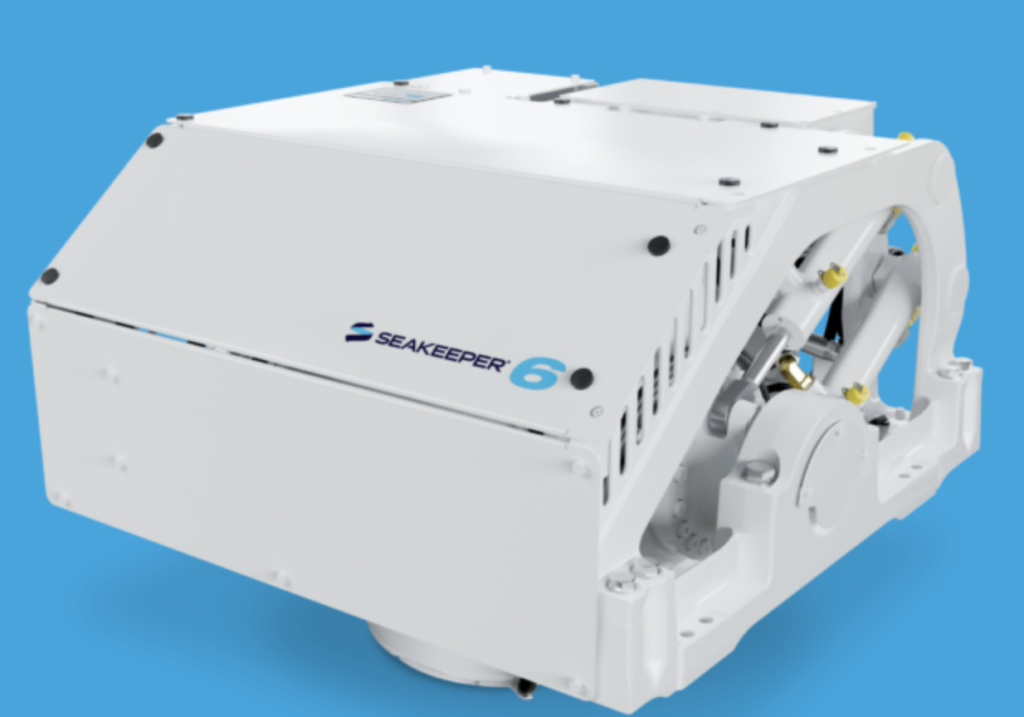
Gyroscopic systems, such as Seakeeper, use a spinning flywheel housed inside the boat. As the boat rolls, the gyroscope precesses (tilts) and generates torque that counteracts that rolling motion.

What Gyros Do Best

1. Exceptional stability at rest
At anchor or drifting, gyros are remarkably effective. On a beam swell or a busy weekend in a crowded anchorage, a properly sized gyro can reduce roll dramatically. For many owners, this is the difference between guests feeling queasy and everyone enjoying the day.

2. Compact footprint, no protrusions
Gyros are installed inside the hull, so there are:

  • No external appendages
  • No added drag underway
  • No impact on draft

This makes gyros especially appealing for yachts where underwater profile and performance are priorities.

3. Ideal for social cruising and family comfort
If your yacht usage is heavy on:

  • Raft-ups
  • Sandbar gatherings
  • Overnights on the hook
  • Entertaining at slow speeds

…a gyro can transform the comfort level on board.

Common Misunderstandings About Gyros

  • “Gyros work the same at all speeds.”
    Gyros are strongest at low speeds and at rest. As speeds increase, particularly on faster planing hulls, their relative impact on comfort underway is more modest compared to fins.

  • “One gyro fits all boats.”
    Gyros must be correctly sized to the boat. Underspecifying to save budget can lead to disappointing performance. Placement and installation quality also matter significantly.

  • “They’re instant-on.”
    Gyros need time to spool up. It’s not excessive, but it’s worth planning ahead if you know you’ll be anchoring in a rolling spot.


How Fin Stabilizers Work – And Where They Excel

Fin stabilizers are hydrodynamic surfaces mounted outside the hull. As the boat moves through the water, the fins adjust angle to generate lift that counters roll.

What Fins Do Best

1. Superior comfort underway
Once the yacht is moving, fins come into their own. At typical cruising speeds, they:

  • Greatly reduce roll in beam seas
  • Smooth out motion on longer passages
  • Help keep guests more comfortable on open-water runs

For owners planning regular offshore runs or extended coastal cruising, fins can be a game-changer.

2. Highly effective at moderate speeds
Modern fin systems are designed to work well even at relatively low speeds, not just on fast passages. This is helpful when:

  • Trolling
  • Slow cruising through no-wake zones
  • Transiting inlets and channels

3. Predictable, “planted” feel
Many owners describe a fin-stabilized yacht underway as feeling more “locked in” on its track. That planted, confident motion can reduce fatigue for the helmsman and nervousness for less experienced guests.

Common Misunderstandings About Fins

  • “Fins only work when you’re going fast.”
    Older systems had limitations at low speeds; modern designs and controls have significantly improved low- and medium-speed performance. However, they do still require water flow to be effective.

  • “Fins are only for large yachts.”
    While they are more common on larger motor yachts, fin stabilization is increasingly available on mid-size yachts, depending on hull design and brand.

  • “All fins are the same.”
    Size, shape, control software, and installation location all influence how natural the boat feels under way. A well-matched system becomes almost invisible – you simply notice that everyone on board is more relaxed.


Comfort Underway: Gyros vs. Fins in Real Conditions

To understand how each system actually feels on the water, consider a few common scenarios:

Scenario 1: Cruising the Chesapeake on a Breezy Afternoon

  • Boat type: 50’ motor yacht
  • Conditions: short Chesapeake chop, wind-driven beam seas
  • Experience:

    • With fins: noticeably reduced roll and more predictable tracking at 18–22 knots. Helm feels confident; guests can move around and enjoy the ride.
    • With gyro only: some reduction in roll, but more motion than with fins at these speeds. Still a significant improvement over no stabilization.

Scenario 2: Raft-Up in a Busy Anchorage

  • Boat type: 45’ cruiser
  • Conditions: boat wakes, beam swell, little forward motion
  • Experience:

    • With gyro: dramatic improvement in roll at rest; guests feel more like they’re on a floating terrace than in a washing machine.
    • With fins only: limited effect at zero or very low speed; motion is still present.

Scenario 3: Overnight Coastal Run

  • Boat type: 60’ motor yacht
  • Conditions: offshore swell on the quarter or beam
  • Experience:

    • With fins: smoother, more controlled motion, reduced fatigue over many hours.
    • With gyro only: helpful, but not as transformative as fins at sustained cruising speeds.

Choosing the Right Stabilization for Your Yacht

The “right” system is the one that best matches your cruising profile, not the one with the loudest buzz.

Key questions to consider:

  • How many hours do you spend:

    • At anchor vs. underway?
    • In protected waters vs. offshore?
  • What are your typical cruising speeds?
  • Are your guests and family seasoned boaters or new to yachting?
  • Is minimizing roll at anchor your top priority, or long-range comfort underway?
  • How important are factors like draft, efficiency, and maintenance preferences?

In some cases, a single, well-selected system is ideal. In others – particularly on larger yachts – a combination of technologies may be appropriate. The specific hull design of each brand (Prestige vs. Princess vs. Pardo, for example) also plays a role in how stabilization will feel in practice.


Why Expert Guidance Matters

Stabilization is not a one-size-fits-all upgrade. It’s a technical decision with very personal implications: your comfort, your guests’ confidence, and how often you truly enjoy using your yacht.

At Chesapeake Yacht Center, our team helps you:

  • Compare gyros vs. fins across specific models you’re considering
  • Understand how each option will perform in the Mid-Atlantic’s real-world sea states
  • Factor in maintenance, resale value, and long-term ownership experience
  • Sea-trial stabilized yachts so you can feel the difference yourself

If you’re evaluating your next yacht and want to get stabilization right the first time, our specialists are here to guide you through every detail.


Ready to experience how the right stabilization system can transform your time on the water?
Contact Chesapeake Yacht Center to schedule a personalized consultation or private sea trial.

Captain’s tips for docking confidence in crosswinds, including spring lines and throttle choreography practice

Captain’s Tips For Docking With Confidence In Crosswinds

Crosswinds are where even experienced captains feel their heart rate rise. Wind adds a moving variable you can’t see, especially in tight marinas with spectators, pilings, and neighboring yachts close at hand.

With the right techniques, though, docking in a crosswind becomes a repeatable maneuver rather than a white‑knuckle event. Below are captain‑tested tips—focused on spring lines and throttle choreography—that Chesapeake Yacht Center’s clients can practice to build real-world docking confidence.


Understand What The Wind Is Doing To Your Yacht

Before you touch the throttles or lines, pause and assess the conditions.

Key factors to read:

  • Wind direction: Is it blowing you off the dock or onto the dock?
  • Wind strength: Light breeze or gusty 20+ knots?
  • Hull and superstructure: High-sided motor yachts and flybridges present more “sail area.”
  • Current: In some marinas, current will matter as much as wind.

A simple rule of thumb:

  • Wind pushing you onto the dock = use the wind as a helper, control your approach speed.
  • Wind pushing you off the dock = you’ll rely heavily on spring lines and engine control to stay pinned.

Slow Is Smooth—But Maintain Control

In calm conditions, “go slow” is excellent advice. In strong crosswinds, “slow” still matters—but not so slow that you lose steerage or control.

Aim for:

  • Just enough speed for steering response
  • Short, deliberate throttle bursts instead of continuous power
  • Neutral between moves so you can reassess and avoid over-corrections

Think of each movement as a “step” in choreography: small, intentional, and recoverable.


Spring Lines: Your Best Friend In A Crosswind

Spring lines turn the dock into a pivot point, letting you control the yacht’s movement with far less stress. In crosswinds, they are often more important than bow or stern lines.

What Is A Spring Line?

A spring line runs diagonally between the yacht and the dock—either:

  • Forward spring: From a cleat near the stern forward to a dock cleat
  • Aft spring: From a cleat near the bow aft to a dock cleat

Springs prevent the yacht from surging backward or forward and, crucially, give you a stable pivot.

Using A Spring Line In A Crosswind

Scenario: Wind blowing you off the dock

  1. Get one spring on early.
    As you come alongside, secure a mid-ship spring line first if possible. This gives you immediate control.

  2. Make the spring fast, not decorative.
    Lead it cleanly and ensure it’s snug, with minimal slack.

  3. Use engines against the spring.
    Put the engine opposite the dock into slow forward (or reverse, depending on set-up), creating a controlled “push” against the spring.

    • The spring line holds the yacht in place.
    • The prop wash and thrust press you gently toward the dock.
  4. Add the rest of your lines calmly.
    With the spring and light engine load holding you tight to the dock, crew can step off safely and secure bow and stern lines without rush.

Scenario: Wind blowing you onto the dock

  1. Secure bow and stern lines first.
    Because the wind is helping, you may not need as much spring tension initially.

  2. Add springs to prevent fore-and-aft movement.
    Use forward and aft springs to prevent “walking” along the dock, especially overnight or in gusty conditions.

  3. Adjust for comfort.
    Once secured, fine-tune spring length to keep fenders ideally loaded—not crushed.


Throttle Choreography: Engine Techniques That Build Confidence

On twin-engine yachts with inboard or pod propulsion, your engines are precision tools. Crosswind docking is largely about how and when you apply thrust.

Foundational Principles

  • Work mostly in idle or just above. High power creates big, fast mistakes.
  • Think “bump, neutral, reassess.” Short bursts, then pause.
  • Use opposing gears for rotation. One forward, one reverse to pivot.

Practicing Basic Maneuvers

In open water or a quiet marina corner, practice these moves:

  1. Side Step (Crabbing):

    • Turn the wheel toward the dock slightly (on inboard/outboards).
    • Use small, alternating bumps of forward/reverse on each engine to “walk” sideways.
    • Watch what the bow and stern do—this teaches you how your yacht responds.
  2. Pivot On The Spot:

    • Port engine in forward idle, starboard in reverse idle (or vice versa).
    • Hold briefly, then go neutral to stop rotation.
    • Practice both directions.
  3. Prop Wash Awareness:

    • Especially on inboards, prop wash will push the stern in a particular direction when using one engine near idle.
    • Understand which way your boat “kicks” in reverse.

Combining Springs And Throttles

In a strong crosswind blowing you off the dock:

  • Secure a forward spring line from a midship/dock cleat.
  • Put the forward engine gently in gear against the spring.
  • Use the aft engine as your fine-tuner—small bumps in forward or reverse to bring stern in or ease it out.
  • Keep movements minimal; the spring is doing most of the heavy lifting.

Over time, this “choreography” becomes intuitive: spring line loaded, slight thrust, boat pinned comfortably to the dock.


Crew Communication: Quiet, Clear, And Planned

Many docking mishaps in crosswinds are communication issues, not boat-handling issues.

Set a simple plan before you enter the marina:

  • Assign clear roles: Who handles which lines? Who steps off first?
  • Agree on signals: Hand signals or short phrases (e.g., “Spring on,” “Bow secure,” “Neutral”).
  • No shouting: Calm, low voices keep everyone focused and confident.

Remember: in a luxury marina environment, composure is part of the experience—for you and your guests.


Practice Makes Confident Captains

The best time to train for crosswinds is not when they’re howling and every slip is full. Instead:

  • Choose a light to moderate breeze day.
  • Practice approaches, spring line setups, and throttle choreography in a less crowded area.
  • Repeat until you can predict how your yacht will move before it does.

The result is a calmer, more controlled docking experience that feels worthy of the yacht you’re commanding.


Experience Concierge-Level Support On The Water

Chesapeake Yacht Center’s team works with owners not only at the sales stage, but throughout the learning curve of real-world ownership—including hands-on docking instruction and seasonal refreshers.

If you’re ready to step into (or upgrade within) luxury yacht ownership with personalized guidance on everything from vessel selection to confident crosswind docking, connect with Chesapeake Yacht Center today to schedule a private consultation.

Behind the scenes of a Chesapeake Yacht Center concierge delivery day from Baltimore Harbor to Rock Hall

Behind the Scenes of a Chesapeake Yacht Center Concierge Delivery Day

From Baltimore Harbor to Rock Hall

A delivery day at Chesapeake Yacht Center is much more than simply moving a yacht from point A to point B. It’s a carefully orchestrated, white-glove experience designed to introduce owners to their new yacht, build confidence on the water, and celebrate the beginning of a new chapter on the Chesapeake Bay.

Here’s what really happens behind the scenes on a concierge delivery from Baltimore Harbor to Rock Hall.


Step 1: Pre-Delivery Preparation and Final Checks

The concierge experience begins well before the yacht leaves Baltimore.

Technical inspection and commissioning

Our service and commissioning teams conduct a meticulous, multi-point inspection, including:

  • Mechanical systems: engines, generators, steering, thrusters
  • Electrical systems: shore power, batteries, panels, lighting
  • Navigation and electronics: GPS, radar, VHF, multifunction displays, autopilot
  • Safety equipment: PFDs, flares, fire suppression, bilge pumps, first-aid kit
  • Comfort features: air conditioning, galley appliances, AV systems, water systems

Every system is tested under load and documented. Any adjustments or fine-tuning are completed before the owner ever steps aboard for delivery day.

Personalizing the yacht for the owner

Because every yacht we deliver is unique to its owner, we also:

  • Stage the interior with linens, galley essentials, and gear as requested
  • Load owner-specific items and accessories
  • Pre-program key destinations into the navigation system, such as home marinas and favorite anchorages
  • Confirm any special requests (for example, extra docking lines, fender setups, or tender configuration)

By the time delivery day arrives, the yacht is turnkey-ready — fueled, detailed, and tailored to the owner’s preferences.


Step 2: A Warm Welcome in Baltimore Harbor

On the morning of the delivery, the focus is on orientation, not rush.

Private arrival and dockside briefing

Owners are greeted at our Baltimore Harbor location with a relaxed, private check-in. We review:

  • The day’s float plan from Baltimore to Rock Hall
  • Weather and wind conditions on the Patapsco River and upper Chesapeake Bay
  • Roles and expectations onboard (who wants time at the helm, who wants to observe)
  • Any final questions or topics the owner wants to prioritize, such as docking, electronics, or maintenance

This sets the tone for a calm, confidence-building day on the water.

Onboard walk-through: systems and spaces

Before we cast off, a Chesapeake Yacht Center delivery captain and specialist walk the owner and guests through the yacht:

  • Helm station and controls: throttles, joystick, bow/stern thrusters, trim tabs
  • Navigation suite: charts, depth sounder, radar, routes, safety alarms
  • Engine room access and daily checks
  • Electrical management: shore power vs. generator, battery management, inverter use
  • Cabin and galley operations: climate control, water and waste systems, appliances

This isn’t a quick tour. It’s a hands-on, owner-focused session that ensures everyone is comfortable with how the yacht functions before leaving the dock.


Step 3: Casting Off and Departing Baltimore

Leaving a busy harbor can be intimidating for new owners — which is why we handle this phase with particular care.

Real-time docking and close-quarters training

As lines are cast off, our captain talks through every move:

  • How to use the joystick or traditional controls for tight maneuvers
  • Approaching fairways and fuel docks with confidence
  • Communicating with crew during docking and undocking

For many owners, this is the first opportunity to feel how the yacht responds in a controlled, supportive environment.

Transitioning into open water

Once clear of the marina and harbor traffic:

  • Engine RPM, trim, and fuel burn are reviewed in real time
  • Optimal cruising speeds and comfort settings are demonstrated
  • The owner is invited to take the helm with expert guidance beside them

The goal is to transform nervousness into enjoyment as we head down the Patapsco and out into the Bay.


Step 4: The Cruise Across the Chesapeake to Rock Hall

The run from Baltimore Harbor to Rock Hall is an ideal proving ground: enough distance to experience the yacht at speed, but close enough for a relaxed day.

Helm time and navigation confidence

During the crossing, we focus on building practical skills:

  • Reading the chartplotter and understanding markers and channels
  • Monitoring depth and staying in safe water
  • Using autopilot and making course adjustments
  • Recognizing traffic patterns and practicing good seamanship

Our team adapts to each owner’s experience level. Seasoned boaters might dive deeper into advanced electronics or fine-tuning trim, while first-time owners might focus on the fundamentals of handling and safety.

Life onboard: comfort and routines

We also cover the realities of owning and cruising a yacht:

  • Using the galley underway
  • Managing HVAC and generator usage
  • Best practices for securing items in the salon and cabins
  • Noise, vibration, and what’s considered “normal” vs. a reason to call for service

By the time the Rock Hall shoreline comes into view, owners have not only driven their yacht; they’ve begun to understand how to live aboard it comfortably.


Step 5: Arrival and Docking in Rock Hall

Docking at a new marina is a key milestone — and a core part of our concierge delivery.

Guided approach to the marina

Approaching Rock Hall, the captain walks the owner through:

  • Reading the channel and local markers
  • Wind and current assessment for the final approach
  • Line and fender placement and crew communication

The owner is encouraged to take the helm for arrival, with the captain closely supervising and ready to step in if needed.

Dockside debrief and final orientation

Once secure at the dock, we don’t rush off. Instead, we:

  • Review the day’s route and what the owner did well
  • Revisit any maneuvers the owner wants to practice again
  • Walk through shore power connection, water hookup, and marina check-in procedures
  • Outline routine post-cruise checks before leaving the yacht

This is also when we dive deeper into ownership details: warranty coverage, service scheduling, seasonal planning, and support channels.


Step 6: Ongoing Concierge Support After Delivery Day

The delivery may end at Rock Hall, but our relationship with owners continues well beyond the first day.

Chesapeake Yacht Center’s concierge service includes:

  • On-water follow-up sessions for additional training
  • Seasonal service coordination and winterization planning
  • Assistance with upgrades, accessories, and electronics
  • Rapid-response support for questions that arise after a few runs on the Bay

For many clients, the Baltimore-to–Rock Hall delivery becomes the first of many shared days on the water as we help them explore more of the Chesapeake and beyond.


Experience a True Concierge Yacht Delivery

If you’re considering a new or pre-owned luxury yacht and want more than a simple handoff, Chesapeake Yacht Center delivers a thoughtful, hands-on ownership experience from day one.

Explore our current inventory or schedule a private consultation by contacting Chesapeake Yacht Center in Baltimore. Our team is ready to plan your own concierge delivery day on the Chesapeake Bay.