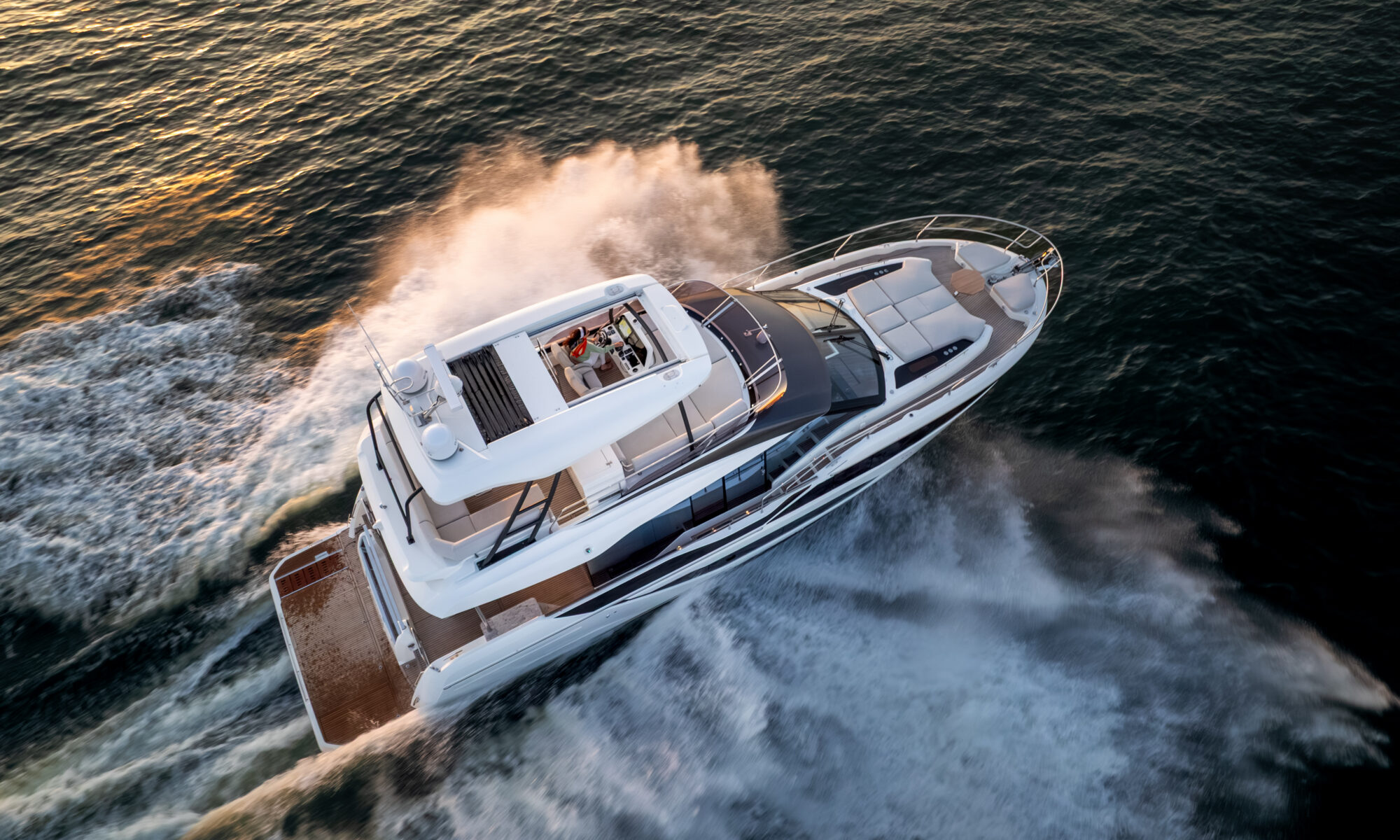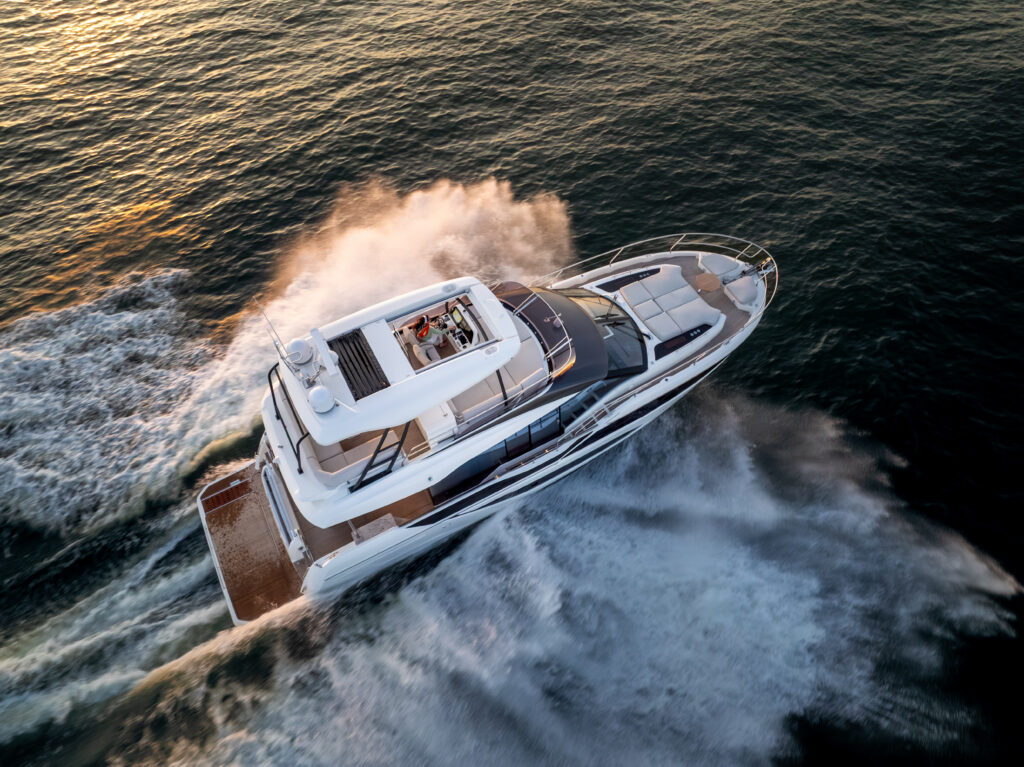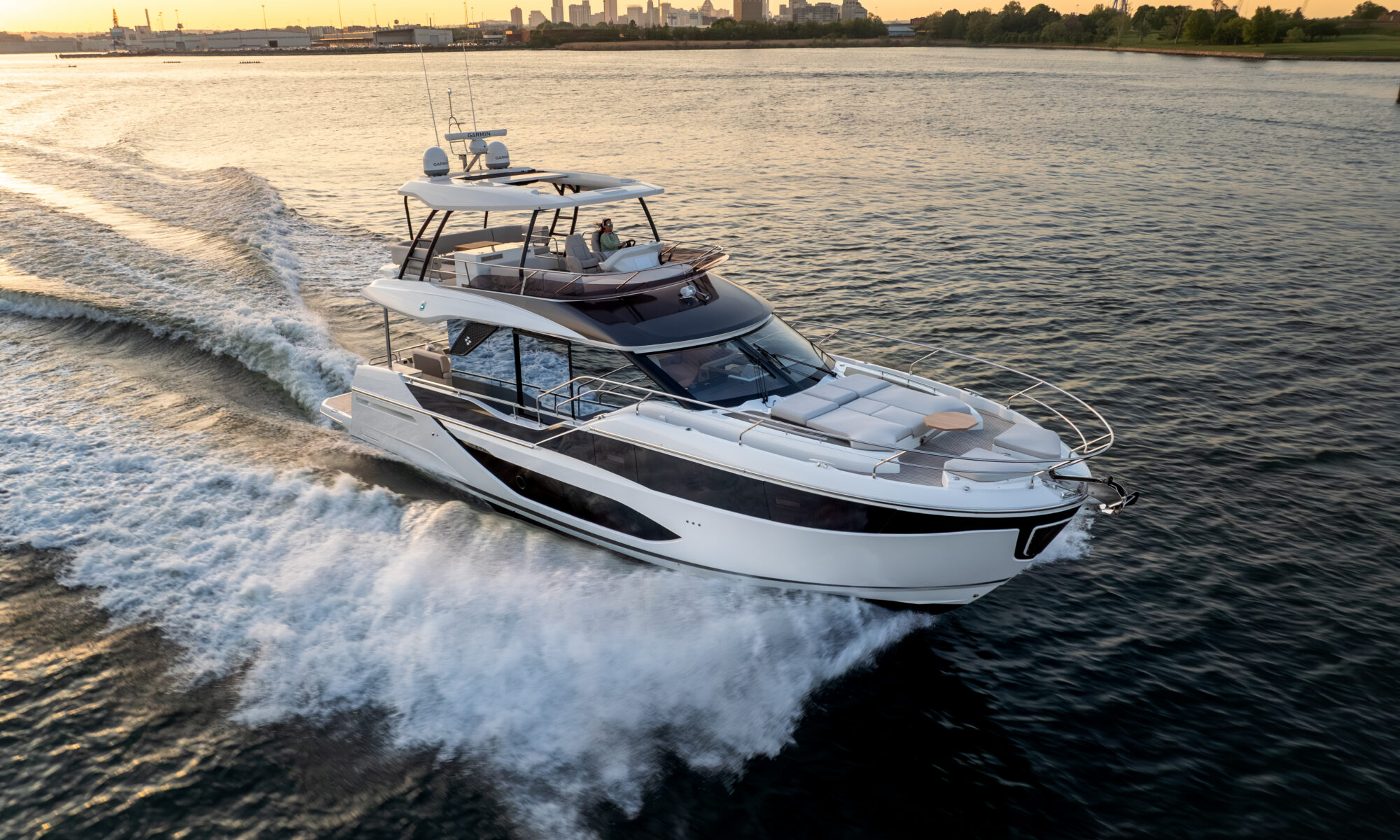
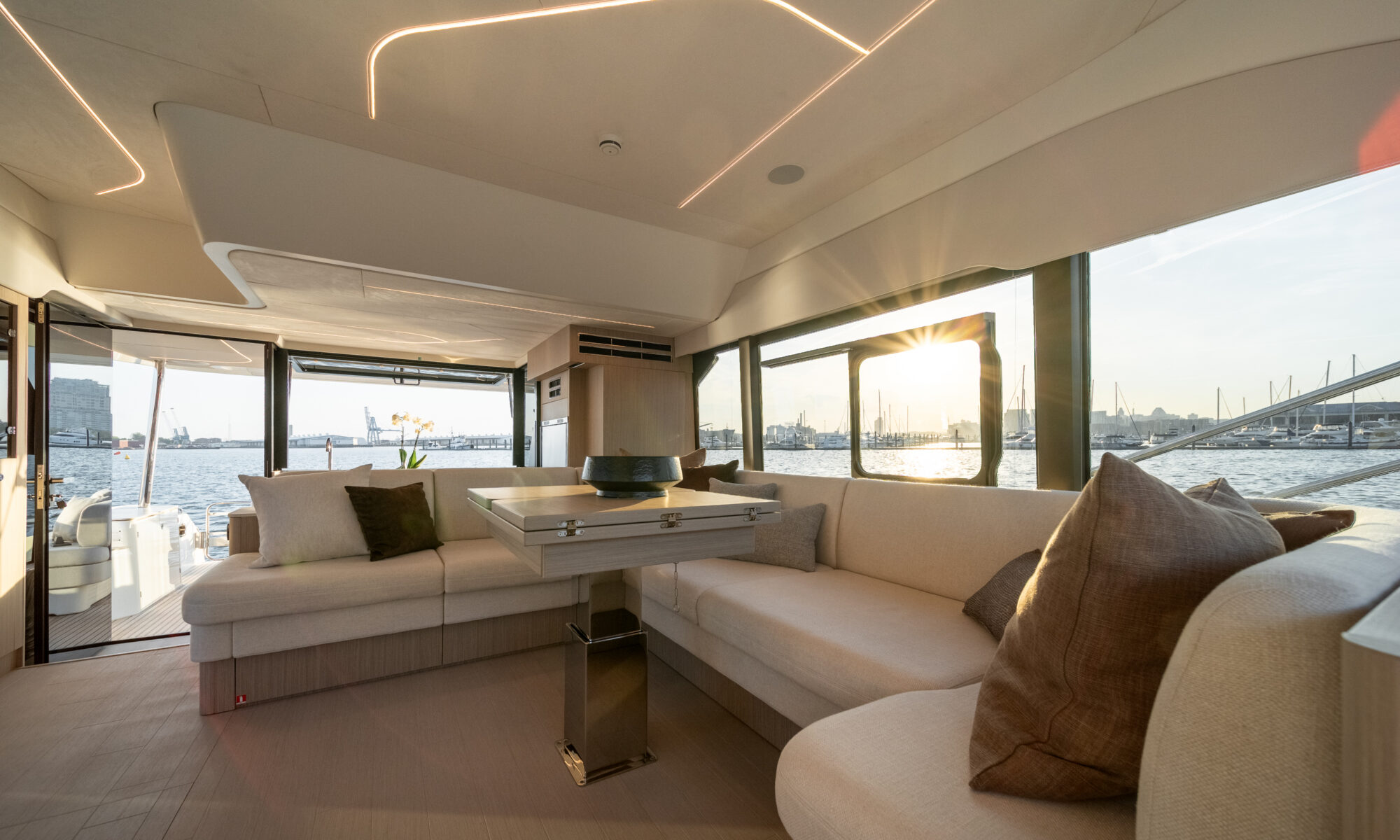
Behind the scenes of a Chesapeake Yacht Center concierge delivery day from Baltimore Harbor to Rock Hall

Behind the Scenes of a Chesapeake Yacht Center Concierge Delivery Day

From Baltimore Harbor to Rock Hall

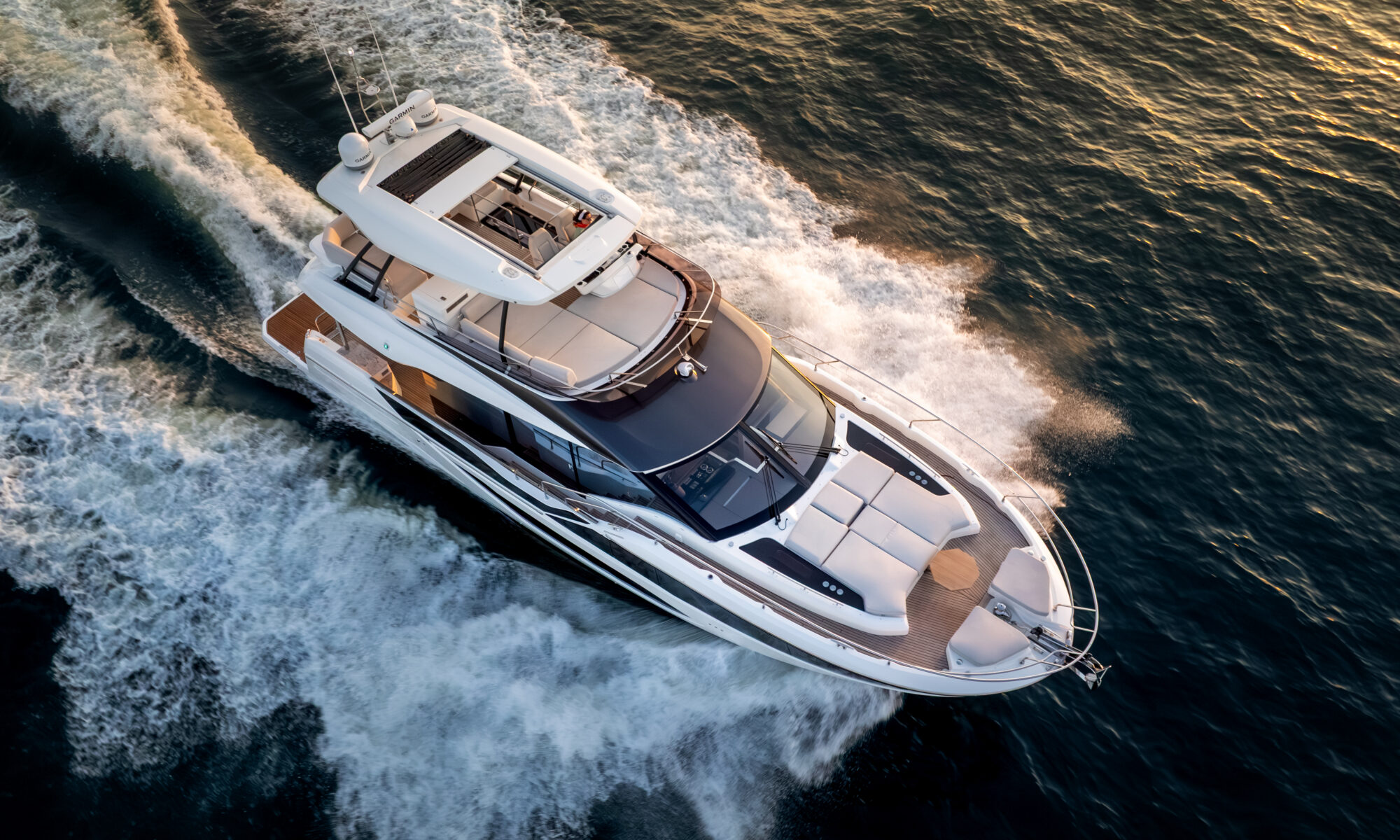
A delivery day at Chesapeake Yacht Center is much more than simply moving a yacht from point A to point B. It’s a carefully orchestrated, white-glove experience designed to introduce owners to their new yacht, build confidence on the water, and celebrate the beginning of a new chapter on the Chesapeake Bay.

Here’s what really happens behind the scenes on a concierge delivery from Baltimore Harbor to Rock Hall.


Step 1: Pre-Delivery Preparation and Final Checks

The concierge experience begins well before the yacht leaves Baltimore.

Technical inspection and commissioning

Our service and commissioning teams conduct a meticulous, multi-point inspection, including:

  • Mechanical systems: engines, generators, steering, thrusters
  • Electrical systems: shore power, batteries, panels, lighting
  • Navigation and electronics: GPS, radar, VHF, multifunction displays, autopilot
  • Safety equipment: PFDs, flares, fire suppression, bilge pumps, first-aid kit
  • Comfort features: air conditioning, galley appliances, AV systems, water systems

Every system is tested under load and documented. Any adjustments or fine-tuning are completed before the owner ever steps aboard for delivery day.

Personalizing the yacht for the owner

Because every yacht we deliver is unique to its owner, we also:

  • Stage the interior with linens, galley essentials, and gear as requested
  • Load owner-specific items and accessories
  • Pre-program key destinations into the navigation system, such as home marinas and favorite anchorages
  • Confirm any special requests (for example, extra docking lines, fender setups, or tender configuration)

By the time delivery day arrives, the yacht is turnkey-ready — fueled, detailed, and tailored to the owner’s preferences.


Step 2: A Warm Welcome in Baltimore Harbor

On the morning of the delivery, the focus is on orientation, not rush.

Private arrival and dockside briefing

Owners are greeted at our Baltimore Harbor location with a relaxed, private check-in. We review:

  • The day’s float plan from Baltimore to Rock Hall
  • Weather and wind conditions on the Patapsco River and upper Chesapeake Bay
  • Roles and expectations onboard (who wants time at the helm, who wants to observe)
  • Any final questions or topics the owner wants to prioritize, such as docking, electronics, or maintenance

This sets the tone for a calm, confidence-building day on the water.

Onboard walk-through: systems and spaces

Before we cast off, a Chesapeake Yacht Center delivery captain and specialist walk the owner and guests through the yacht:

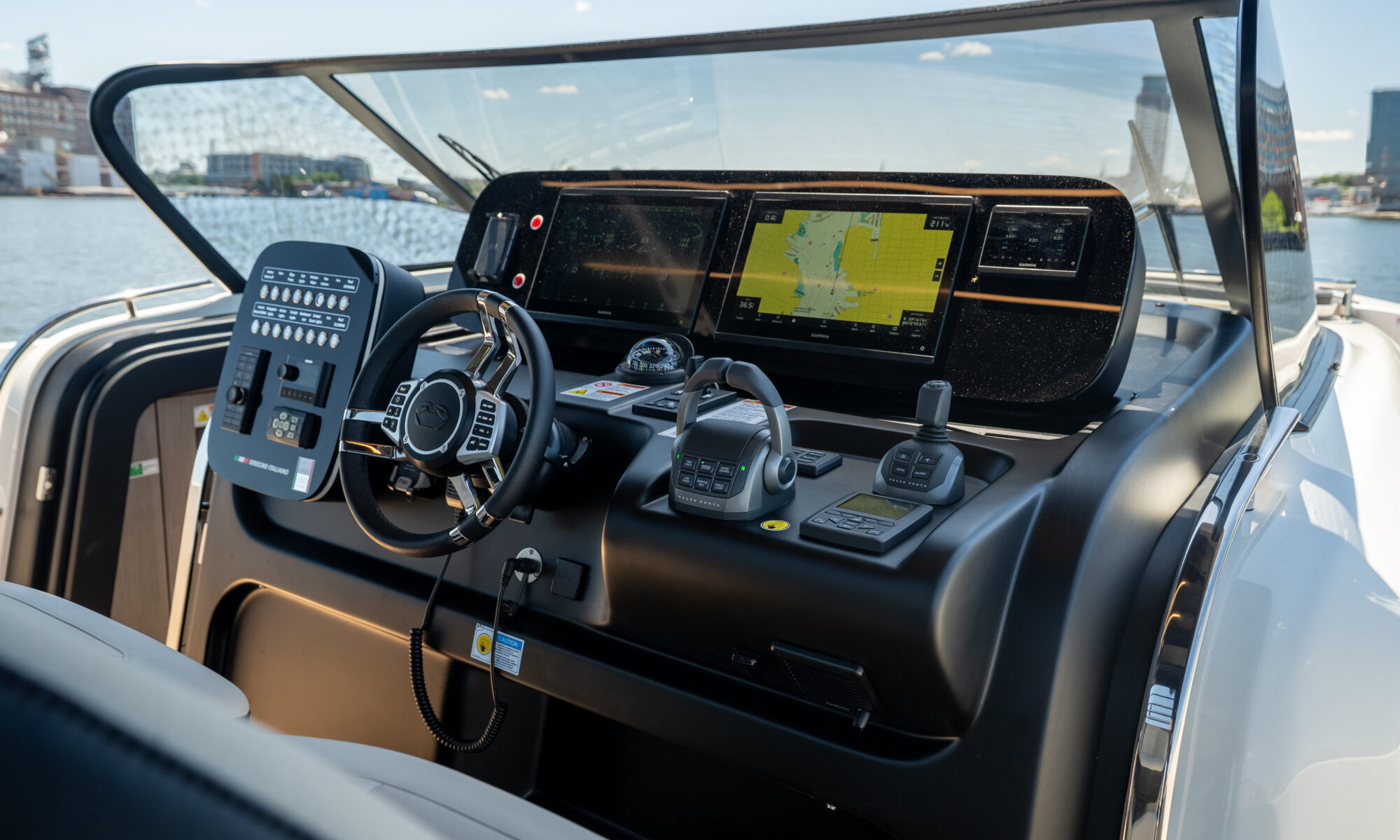
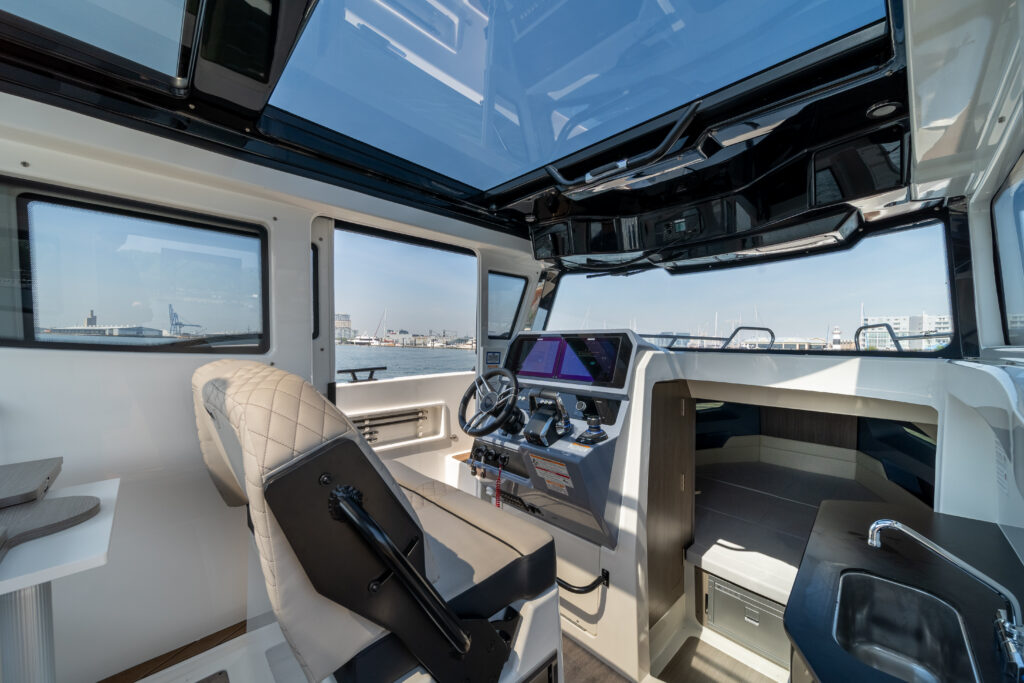
  • Helm station and controls: throttles, joystick, bow/stern thrusters, trim tabs
  • Navigation suite: charts, depth sounder, radar, routes, safety alarms
  • Engine room access and daily checks
  • Electrical management: shore power vs. generator, battery management, inverter use
  • Cabin and galley operations: climate control, water and waste systems, appliances

This isn’t a quick tour. It’s a hands-on, owner-focused session that ensures everyone is comfortable with how the yacht functions before leaving the dock.


Step 3: Casting Off and Departing Baltimore

Leaving a busy harbor can be intimidating for new owners — which is why we handle this phase with particular care.

Real-time docking and close-quarters training

As lines are cast off, our captain talks through every move:

  • How to use the joystick or traditional controls for tight maneuvers
  • Approaching fairways and fuel docks with confidence
  • Communicating with crew during docking and undocking

For many owners, this is the first opportunity to feel how the yacht responds in a controlled, supportive environment.

Transitioning into open water

Once clear of the marina and harbor traffic:

  • Engine RPM, trim, and fuel burn are reviewed in real time
  • Optimal cruising speeds and comfort settings are demonstrated
  • The owner is invited to take the helm with expert guidance beside them

The goal is to transform nervousness into enjoyment as we head down the Patapsco and out into the Bay.


Step 4: The Cruise Across the Chesapeake to Rock Hall

The run from Baltimore Harbor to Rock Hall is an ideal proving ground: enough distance to experience the yacht at speed, but close enough for a relaxed day.

Helm time and navigation confidence

During the crossing, we focus on building practical skills:

  • Reading the chartplotter and understanding markers and channels
  • Monitoring depth and staying in safe water
  • Using autopilot and making course adjustments
  • Recognizing traffic patterns and practicing good seamanship

Our team adapts to each owner’s experience level. Seasoned boaters might dive deeper into advanced electronics or fine-tuning trim, while first-time owners might focus on the fundamentals of handling and safety.

Life onboard: comfort and routines

We also cover the realities of owning and cruising a yacht:

  • Using the galley underway
  • Managing HVAC and generator usage
  • Best practices for securing items in the salon and cabins
  • Noise, vibration, and what’s considered “normal” vs. a reason to call for service

By the time the Rock Hall shoreline comes into view, owners have not only driven their yacht; they’ve begun to understand how to live aboard it comfortably.


Step 5: Arrival and Docking in Rock Hall

Docking at a new marina is a key milestone — and a core part of our concierge delivery.

Guided approach to the marina

Approaching Rock Hall, the captain walks the owner through:

  • Reading the channel and local markers
  • Wind and current assessment for the final approach
  • Line and fender placement and crew communication

The owner is encouraged to take the helm for arrival, with the captain closely supervising and ready to step in if needed.

Dockside debrief and final orientation

Once secure at the dock, we don’t rush off. Instead, we:

  • Review the day’s route and what the owner did well
  • Revisit any maneuvers the owner wants to practice again
  • Walk through shore power connection, water hookup, and marina check-in procedures
  • Outline routine post-cruise checks before leaving the yacht

This is also when we dive deeper into ownership details: warranty coverage, service scheduling, seasonal planning, and support channels.


Step 6: Ongoing Concierge Support After Delivery Day

The delivery may end at Rock Hall, but our relationship with owners continues well beyond the first day.

Chesapeake Yacht Center’s concierge service includes:

  • On-water follow-up sessions for additional training
  • Seasonal service coordination and winterization planning
  • Assistance with upgrades, accessories, and electronics
  • Rapid-response support for questions that arise after a few runs on the Bay

For many clients, the Baltimore-to–Rock Hall delivery becomes the first of many shared days on the water as we help them explore more of the Chesapeake and beyond.


Experience a True Concierge Yacht Delivery

If you’re considering a new or pre-owned luxury yacht and want more than a simple handoff, Chesapeake Yacht Center delivers a thoughtful, hands-on ownership experience from day one.

Explore our current inventory or schedule a private consultation by contacting Chesapeake Yacht Center in Baltimore. Our team is ready to plan your own concierge delivery day on the Chesapeake Bay.

Financing FAQ: boutique lenders we recommend for luxury yachts, approval timelines, and protecting Maryland buyers

Financing Your Luxury Yacht: FAQ for Maryland Buyers

Financing a luxury yacht is very different from securing a car loan or even a traditional mortgage. Lenders, timelines, and protections all work a bit differently—especially in Maryland and the Mid-Atlantic.

This FAQ is designed to answer the most common financing questions we hear at Chesapeake Yacht Center and to help you approach your purchase with confidence.


Why use a boutique yacht lender instead of a traditional bank?

While many retail banks offer boat loans, boutique marine lenders are built specifically around yacht transactions. That difference matters when you are purchasing a higher‑end vessel.

Key advantages of boutique yacht lenders:

  • Specialized underwriting: They understand depreciation curves, brand reputations (e.g., Prestige, Princess, Pardo), and how condition, hours, and equipment affect value.
  • Higher comfort with large loan amounts: Luxury yacht prices can exceed typical consumer lending limits; boutique lenders are structured for six‑ and seven‑figure marine loans.
  • Flexible structures: Options such as interest‑only periods, balloon payments, and customized terms to support cash flow, business use, or charter considerations.
  • Streamlined documentation: Familiarity with USCG documentation, Maryland titling, surveys, and insurance requirements reduces friction and delays.
  • Concierge service: You work with a dedicated marine finance professional who coordinates with your broker, surveyor, and closing agent.

At Chesapeake Yacht Center, we routinely connect clients with proven boutique lenders that align with their goals, risk profile, and preferred term length.


What boutique lenders do you typically recommend?

We work with a curated network of established marine finance companies that focus on luxury yachts throughout the United States. While we match specific lenders to each client and vessel, the partners we recommend consistently offer:

  • Longstanding marine lending expertise
  • Competitive fixed and variable rates
  • Experience with new builds and pre‑owned brokerage yachts
  • Comfort with complex deals (trade‑ins, refits, international components)

Because lending appetites and rate programs change, we do not take a one‑size‑fits‑all approach. Instead, during your yacht consultation, we:

  1. Clarify your budget, preferred term, and ownership structure.
  2. Share several lender options that fit your profile.
  3. Facilitate warm introductions and help you compare terms.

Our goal is to ensure you work with a boutique lender that understands both your financial picture and the specific yacht you are purchasing.


How long does yacht loan approval usually take?

Timelines can vary, but with a complete application and a responsive lender, approvals are often much faster than buyers expect.

Typical financing timeline for qualified borrowers:

  • Pre‑qualification: 1–2 business days
    A quick review of your financials to define realistic price ranges and down payment expectations.

  • Full credit approval: 3–7 business days
    The lender reviews tax returns, financial statements, and credit; for larger loans, underwriting may require additional documentation.

  • Final approval & closing: 5–15 business days
    Once the survey, sea trial, insurance, and title work are complete, the lender prepares closing documents and funds the transaction.

For well‑documented clients purchasing new yachts from our represented brands, we can often move through the process even more quickly. Our team coordinates closely with the lender to keep you updated at every step.


What documents will I need to provide?

Marine lenders are thorough, particularly for luxury yacht financing. You should be prepared to share:

  • Valid government ID
  • Personal financial statement
  • Recent tax returns (typically two years)
  • Proof of income (W‑2s, K‑1s, or business financials)
  • Asset and liability statements
  • Details on any business or charter use contemplated
  • Insurance binder once you’ve selected coverage

For higher‑value yachts or complex ownership structures, lenders may request additional documentation. We help you anticipate these requirements early so there are no surprises near closing.


How much do I need to put down on a luxury yacht?

Down payments for yacht financing commonly range from 15% to 30% of the purchase price. The exact amount depends on:

  • Age and type of yacht (new Prestige vs. older brokerage vessel)
  • Loan amount and term length
  • Your credit profile and liquidity
  • Intended use (private vs. limited charter)

Boutique lenders we work with often provide more flexibility on terms when the buyer has strong financials and a long‑term relationship with their bank or advisory team. We can help you model different scenarios—down payments, term lengths, and estimated monthly payments—before you make an offer.


How can I protect myself as a Maryland yacht buyer?

Maryland has specific rules surrounding vessel titling, taxes, and registration. A well‑structured transaction protects you legally and financially.

Core protections every Maryland yacht buyer should consider:

  • Clear title & lien searches
    We verify that the yacht is free of undisclosed liens and that ownership can transfer cleanly, whether the vessel is USCG documented or state‑titled.

  • Comprehensive survey & sea trial
    Lenders typically require a survey for pre‑owned yachts, and you should as well. A qualified marine surveyor assesses hull, engines, systems, and safety equipment, protecting you from hidden issues.

  • Proper contract structure
    Purchase and sale agreements should outline contingencies for financing, survey results, and sea trial performance—critical for higher‑value yachts.

  • Tax and registration guidance
    Maryland’s excise tax and registration requirements can be nuanced, especially if you cruise between states. We coordinate with tax professionals and documentation specialists so your ownership is compliant.

  • Adequate insurance
    Many lenders require agreed value policies and specific navigation limits. We help you align your coverage with lender requirements and your cruising plans on the Chesapeake Bay and beyond.

At Chesapeake Yacht Center, our closing process is built around protecting Maryland buyers. We manage the details with your lender, surveyor, insurer, and documentation agent so you can focus on the enjoyment of ownership.


Can I get pre‑approved before I start shopping?

Yes—and we strongly recommend it, especially in a competitive market for premium yachts.

Benefits of pre‑approval:

  • Sets a clear budget range before you tour yachts
  • Strengthens your position when making an offer
  • Helps you move quickly on the right yacht, avoiding missed opportunities
  • Allows you to compare terms from multiple boutique lenders in advance

We often begin with a brief budget and lifestyle discussion, then connect you with marine lenders best suited to your goals. With a pre‑approval in place, your search becomes much more focused and efficient.


Work with a partner who manages the entire financing journey

Financing should support your ownership experience—not complicate it. Chesapeake Yacht Center blends luxury yacht expertise with a concierge‑level approach to lending:

  • Introductions to trusted boutique yacht lenders
  • Guidance on approval timelines and documentation
  • Protection of Maryland buyers through proper structuring, titling, and closing
  • Ongoing support after delivery, from training to seasonal service

If you’re considering a new or pre‑owned luxury yacht and want to explore tailored financing options, contact Chesapeake Yacht Center today to schedule a private consultation.

How to plan a realistic annual yacht budget: fuel, slips, crew, insurance, upgrades, contingencies

How To Plan a Realistic Annual Yacht Budget

Fuel, Slips, Crew, Insurance, Upgrades & Contingencies

Thoughtful budgeting is one of the most overlooked parts of yacht ownership—and one of the most important. A realistic annual yacht budget not only protects your investment, it also ensures you can enjoy your time on the water without financial surprises.

While every yacht and ownership style is different, you can build a reliable framework by breaking costs into six key categories:

  • Fuel
  • Slips, storage & dockage
  • Crew & maintenance support
  • Insurance & registration
  • Upgrades & lifestyle add‑ons
  • Contingencies & long‑term reserves

Below, the Chesapeake Yacht Center team outlines how to think through each area and what to consider as you plan your annual numbers.


1. Fuel: Aligning Consumption With How You Cruise

Fuel is one of the most variable line items in a yacht budget. It depends on:

  • Yacht size and engine configuration
  • Cruising speed vs. displacement/slow-speed running
  • How many hours you run each season
  • Local fuel prices and whether you buy at marinas or fuel docks with discounts

Steps to estimate annual fuel:

  1. Know your burn rate

    • Your manufacturer specs or sea trial results typically list gallons per hour (GPH) at various RPMs.
    • For many planing motor yachts, owners cruise in the 18–25 knot range, where fuel burn is highest.
  2. Estimate seasonal hours

    • Casual Chesapeake Bay family cruisers may log 50–100 hours a season.
    • Active coastal cruisers or owners who run to the canyons or the Carolinas may see 150–250+ hours.
  3. Build a simple formula

    • Annual Fuel Cost ≈ GPH × Average Hours × Price per Gallon

Then add a buffer (10–20%) for spontaneous long weekends and price volatility.

Pro tip: Consider whether a slightly slower cruise speed meaningfully reduces your fuel burn without compromising your enjoyment. Many owners find that dropping just a few knots improves both efficiency and comfort.


2. Slips, Storage & Dockage: Home Port and Beyond

Where you keep your yacht—and where you cruise—has a major impact on annual costs.

Home slip or marina

On the Chesapeake Bay and Mid‑Atlantic coast, annual slip fees are usually based on:

  • Length overall (including swim platform and bow pulpit)
  • Location within the marina and amenities offered
  • Seasonal vs. year‑round contracts

Expect to budget for:

  • Annual slip or lift fees
  • Shore power and utilities
  • Environmental or facility fees where applicable

Winter storage and haul-out

If you’re in a four‑season climate:

  • Haul‑out, blocking, and launch
  • Winter storage (in‑water or on land)
  • Winterization of engines, gensets, water systems, and climate systems

Owners who plan to keep their yachts in the water year‑round (for instance, farther south) may shift these funds toward additional maintenance and hurricane preparedness.

Transient dockage

Even if you have a home slip, factor in:

  • Weekend getaways to Annapolis, St. Michaels, Cape May, Norfolk, etc.
  • Longer coastal cruises that require several nights of transient dockage

A simple rule: plan a reasonable number of “away” nights and assign a nightly dockage rate based on the types of marinas you prefer.


3. Crew, Service & Maintenance: Protecting Your Time and Asset

Your approach to crew and maintenance depends on yacht size, complexity, and how hands‑on you wish to be.

Professional crew

For many owners in the 50’+ range, some level of professional support offers peace of mind:

  • Full‑time captain and/or stewardess
  • Part‑time captain for trips, docking, and training
  • Detailers and wash‑down services
  • Specialized systems technicians

Discuss realistic expectations up front: number of days onboard, trip planning, and whether you want a “just show up and go” experience.

Scheduled maintenance

Regardless of crew, every yacht demands routine care:

  • Engine and generator service (hours- or time‑based)
  • Drive system service (pods, shafts, IPS, etc.)
  • Bottom cleaning and zincs
  • Regular wash and wax cycles
  • Canvas, upholstery, and teak care

A common guideline is to budget a fixed percentage of the yacht’s value each year for maintenance and service, then refine that figure based on the age and complexity of your vessel.


4. Insurance, Registration & Compliance

Premiums can vary significantly depending on:

  • Yacht value and age
  • Operating area (protected bay vs. offshore or extended cruising)
  • Your boating experience and safety courses
  • Claims history and desired coverage limits

Work with a marine insurance specialist familiar with yachts in the Mid‑Atlantic and coastal U.S. Be sure to clarify:

  • Agreed value vs. actual cash value policies
  • Named storm or hurricane haul‑out provisions
  • Towing, salvage, and environmental coverage
  • Crew and guest liability limits

Don’t forget to include:

  • Registration and documentation fees
  • Safety equipment upgrades to stay compliant with evolving regulations
  • Any required surveys for renewals or financing

5. Upgrades, Enhancements & Lifestyle Choices

Few owners keep their yacht exactly as delivered. Planning ahead for upgrades makes these choices enjoyable rather than stressful.

Common annual or periodic enhancements include:

  • Electronics upgrades (navigation, radar, cameras, Wi‑Fi)
  • Audio/visual and entertainment systems
  • Stabilization, joystick systems, or bow/stern thrusters (if not already installed)
  • Custom canvas, enclosures, sunshades, and soft goods
  • Water toys, tenders, and fishing or diving gear

Identify which projects you’d like to tackle in the next 12–24 months, then prioritize them:

  • Safety/operational upgrades (electronics, stabilization)
  • Comfort upgrades (air conditioning refinements, mattresses, shade)
  • Lifestyle upgrades (sound systems, toys, decor)

Building a dedicated “upgrade fund” each year helps you evolve the yacht as your family’s style and cruising range grow.


6. Contingencies & Long‑Term Reserves

Unexpected events are part of yachting. A well‑planned budget includes a cushion for the unknown.

Annual contingency

Set aside a percentage of your total operating budget for:

  • Unplanned repairs
  • Minor groundings or prop damage
  • Electronics or systems failures out of warranty
  • Travel and logistics if a major repair is required away from your home port

This fund allows you to address issues promptly, preserving both safety and asset value.

Long‑term capital reserves

Over a longer horizon, plan for:

  • Major refits or engine work as the yacht ages
  • Replacement of key systems (generators, air conditioning plants, batteries)
  • Cosmetic refits to keep the yacht market‑ready if you decide to sell or trade up

Thinking in three‑ to five‑year cycles helps align your long‑term plans—whether that’s keeping the yacht, upgrading, or transitioning to a different style of boating.


Bringing It All Together

A realistic annual yacht budget is personal. It reflects:

  • The size and sophistication of your yacht
  • How and where you cruise
  • How much you prefer to delegate vs. do‑it‑yourself
  • Your ownership horizon—whether this is a first yacht or part of a longer journey

Working with an experienced, concierge‑driven team ensures you enter ownership with clear expectations and a tailored financial plan that supports how you truly want to use your yacht.


Plan Your Yacht Budget With Expert Guidance

Chesapeake Yacht Center helps clients across the Mid‑Atlantic and beyond understand not only the purchase price, but the full picture of annual ownership. From selecting the right Prestige, Princess, Pardo, Cranchi, Dyna, Jeanneau, or Navan to mapping fuel, slips, crew, and service, our team provides discreet, detailed guidance at every step.

To discuss a realistic annual budget for your current yacht—or the one you’re considering—contact Chesapeake Yacht Center to schedule a private consultation.

How-to pick first yacht size based on crew skills, cruising range, maintenance comfort

How To Choose the Right Size for Your First Yacht

Based on crew skills, cruising range, and maintenance comfort

Selecting your first yacht is as much about lifestyle and confidence on the water as it is about length overall (LOA). The right size yacht should match where you want to cruise, who will be aboard, and how comfortable you are operating and maintaining the vessel.

Below is a practical framework to help you determine the ideal first-yacht size through three lenses: crew skills, cruising range, and maintenance comfort.


Step 1: Be Honest About Crew Skills and Experience

The most important factor in choosing yacht size is who will actually operate the boat—both you and your regular crew.

Key questions to ask yourself

  • Will you run the yacht primarily as an owner-operator, or do you plan to hire professional crew?
  • What is your current experience with boats—none, basic, or advanced?
  • How confident are you in:

    • Docking in tight marinas
    • Handling wind and current
    • Navigation and electronics
    • Night or low-visibility operations

Size guidance by operating style

Up to ~40 feet: “Step-in” owner-operator comfort zone
For many first-time yacht buyers, a 30–40 ft cruiser or sport yacht offers:

  • Easier maneuverability and docking
  • Simple onboard systems to learn and manage
  • Typically no need for professional crew
  • A more forgiving learning curve for new boaters

Modern models from brands like Jeanneau Powerboats, Navan, and Pardo often feature joystick controls, bow thrusters, and intuitive helm layouts that build confidence quickly.

40–50 feet: Owner-operator with training and tech support
In the 40–50 ft range, you gain:

  • Multiple cabins for family and guests
  • Larger entertainment spaces
  • More capable offshore performance and range

However, you’ll also have:

  • Heavier displacement and more windage during docking
  • More complex systems (generators, more advanced electronics, stabilizers)

For a confident boater or an eager learner willing to invest in hands-on training and practice, this size range can be an excellent first yacht. Many Chesapeake Yacht Center clients start here with Prestige, Princess, Cranchi, and Dyna models, complemented by professional orientation and follow-up training.

50+ feet: Best with crew or experienced owner-operators
Above 50 feet, the rewards are significant—space, stability, and long-range capability—but so is the responsibility. These yachts often benefit from:

  • A dedicated captain or part-time professional crew
  • More in-depth systems knowledge
  • Higher docking, insurance, and maintenance considerations

A 50+ ft yacht can still be a first purchase, but it’s usually the right fit for an owner who:

  • Has prior boating background, or
  • Is committed to regular crew support and comprehensive captain’s training

Step 2: Match Yacht Size to Your Cruising Range and Itinerary

Where you plan to cruise—and how far you want to go—will strongly influence the right size and style of yacht.

Short-range day boating and weekend trips

If your vision is mostly:

  • Day trips on the Chesapeake Bay
  • Occasional overnights to destinations like Annapolis, St. Michaels, or the Inner Harbor
  • Entertaining friends and family dockside or on the hook

A 30–40 ft cruiser or performance dayboat is often ideal. You’ll enjoy:

  • Easy access to marinas and fuel docks
  • Straightforward operation and anchoring
  • Simple, manageable maintenance

Premium brands such as Pardo, Jeanneau, and Navan in this size deliver excellent day boating with the comfort to stay aboard for a night or two.

Extended coastal cruising and multi-day trips

If you’re interested in:

  • Longer weekends exploring the Mid-Atlantic coastline
  • Multi-night trips with several couples or family
  • Occasional offshore runs in settled conditions

Consider stepping into the 40–50 ft range. Advantages typically include:

  • Two or three staterooms, multiple heads
  • Greater fuel and water capacity
  • More storage for provisions and gear
  • Increased stability and comfort in varying sea states

Owners seeking to enjoy the full scope of the Chesapeake Bay and beyond—down the ICW or up to New England—often gravitate toward this category.

Long-range or seasonal cruising

If your goal is:

  • Snowbird-style seasonal cruising
  • Extended voyages along the East Coast or to the Bahamas
  • Hosting guests or family for weeks at a time

A larger motor yacht in the 50+ ft range becomes attractive, offering:

  • Generous living spaces and privacy between cabins
  • Larger galley and utility areas
  • Enhanced sea-keeping and redundancy in critical systems

At this level, planning for at least part-time crew support and more sophisticated systems management is advisable.


Step 3: Align Size With Your Maintenance Comfort Level

Maintenance is where many first-time yacht owners either fall in love with the lifestyle—or feel overwhelmed. Choosing a size aligned with your tolerance for upkeep is essential.

Understand what grows with size

As yacht size increases, so typically does:

  • Number of systems (air conditioning zones, heads, pumps, generators)
  • Complexity of electronics and navigation packages
  • Surface area to clean, wax, and protect
  • Haul-out, storage, and insurance costs

A well-chosen first yacht should feel like a pleasure to care for, not a burden.

Three maintenance mindsets

1. “Hands-on” owner
You enjoy learning systems and may do light maintenance yourself.
Best fit: Up to ~40–45 ft, with clear system layouts and strong dealer support.

2. “Managed maintenance” owner
You prefer professional service for most tasks but want to understand how everything works.
Best fit: 40–55 ft, paired with a proactive maintenance plan and seasonal services.

3. “Fully supported” owner
You want the yacht experience with minimal hands-on responsibility.
Best fit: 50+ ft, with a combination of professional crew, concierge service, and scheduled yard support.

A key advantage of working with Chesapeake Yacht Center is the concierge ownership experience—from orientation and training to arranging seasonal services and warranty work—helping make a larger yacht more approachable for a first-time buyer.


Step 4: Balance Aspirations With Real-World Use

The right first yacht size sits at the intersection of:

  • The cruising you’ll actually do in the next 2–3 years, not just your long-term dreams
  • The skills you have today, plus your willingness to train and practice
  • A level of maintenance and complexity that feels comfortable, not stressful

A helpful approach is to:

  1. Define your realistic first two seasons of use.
  2. Set a target crew/skills profile—owner-operated, owner with training, or crewed.
  3. Use that combination to narrow a size band (for example, 35–40 ft or 42–48 ft).
  4. Explore specific models within that range to compare layouts, technology, and sea-keeping.

Considering Your First Yacht? Let’s Size It Right.

Choosing the right size for your first yacht is a strategic decision that shapes your confidence, comfort, and enjoyment on the water. Chesapeake Yacht Center’s team guides you through this process step by step—evaluating your crew skills, cruising plans, and maintenance preferences, then matching you with a yacht that truly fits.

To discuss your first yacht and explore tailored options from Prestige, Princess, Pardo, Cranchi, Dyna, Jeanneau, and Navan, contact Chesapeake Yacht Center today and let our concierge team help you chart the perfect course into yacht ownership.

Checklist for evaluating a pre-owned yacht during sea trial: vibration, temps, telemetry, documentation alignment

Checklist for Evaluating a Pre‑Owned Yacht During Sea Trial

Vibration, Temperatures, Telemetry & Documentation Alignment

A sea trial is the most revealing moment in a pre-owned yacht purchase. It’s when the boat transitions from a set of specifications on paper to a living, moving vessel you can feel, hear, and measure. For discerning buyers, knowing exactly what to look for during this trial helps ensure you’re investing in the right yacht at the right price.

Below is a focused, practical checklist built around four critical pillars: vibration, temperatures, telemetry, and documentation alignment.


Before You Leave the Dock: Set the Stage

Before throttles go forward, confirm:

  • Surveyor and/or technician present – A professional set of eyes and tools is essential.
  • Sea conditions acceptable – Moderate, realistic conditions are ideal; not glass-calm, not unsafe.
  • Route and test plan agreed – Low-speed maneuvers, cruising speeds, and wide‑open throttle (WOT) runs should all be built into the plan.
  • Baseline documentation in hand – Previous service records, engine hours, build sheet, and listing specs ready for reference.

A well-organized start allows you to compare what you feel and see on the water with what’s stated in the yacht’s documentation.


1. Vibration: What You Feel Tells You What’s Happening Below

Unwanted vibration can signal misaligned running gear, prop damage, or hull issues. Use all your senses.

Underway at Idle and Low Speed

As you leave the dock:

  • Stand or sit in different locations: cockpit, salon, helm, flybridge.
  • Note any distinct rattling, buzzing, or rhythmic thumping.
  • Pay attention to steering response when shifting in and out of gear – any shudder or clunk?

Low-speed vibrations can indicate:

  • Bent props
  • Shaft misalignment
  • Worn cutlass bearings
  • Transmission or drive issues

At Cruise Speed

Bring the yacht gradually to its typical cruising RPM:

  • Gauge comfort level: Is conversation easy, or do you feel persistent buzzing in the deck or helm?
  • Look for mirrors, doors, or cabinetry shaking – small movements are normal, but harsh vibration is not.
  • See if vibration varies with speed; issues often appear at specific RPM ranges.

At Wide‑Open Throttle (WOT)

If conditions and the vessel safely permit:

  • Check for new or intensified vibration at maximum RPM.
  • Confirm the boat runs true with minimal helm correction.
  • Make a note of any steering wheel shimmy or hard turns that feel “notchy.”

Consistent, smooth performance from idle through WOT is a key indicator of a healthy propulsion system.


2. Temperatures: Quiet Signals of Engine & System Health

Monitoring operating temperatures during a sea trial helps you spot looming maintenance or repair needs.

Engine and Exhaust Temperatures

Use both the vessel’s gauges and your technician’s instruments:

  • Engine coolant temperature – Should rise smoothly to normal operating range and stabilize. Sudden spikes or slow overheating are red flags.
  • Exhaust temperature – Infrared thermometers can identify hot spots that may signal cooling system restrictions.

Watch for:

  • One engine running noticeably hotter than the other (on twin-engine setups).
  • Temperature climbing under load, especially at cruise or WOT, then only recovering slowly at idle.

Gearbox and Generator Temperatures

If applicable:

  • Verify gearbox temps remain within manufacturer specs; overheating can indicate lubrication or alignment issues.
  • Run the generator under load (A/C, galley appliances, electronics) and monitor temperature and sound for anomalies.

Temperature trends during a full cycle—from idle to cruise, to WOT, and back—are more telling than a single reading.


3. Telemetry: Reading the Yacht’s Digital “Vitals”

Modern yachts provide a wealth of engine and systems telemetry. Use these tools to compare real-time performance to manufacturer expectations.

Engine Telemetry

At each speed segment (idle, slow, cruise, WOT), log:

  • RPM – Do engines reach rated RPM at WOT?
  • Fuel burn (GPH or LPH) – Compare to manufacturer data or similar model benchmarks.
  • Oil pressure – Stable and within spec across the RPM range.
  • Battery voltage and charging – Healthy readings indicate sound alternator and battery systems.

Look for:

  • Fluctuating readings – Jumpy oil pressure or voltage can hint at sensor, wiring, or mechanical issues.
  • Asymmetry between engines – Similar loads should produce similar telemetry; significant deltas warrant closer review.

Navigation & System Telemetry

Use the MFDs (multi-function displays) to assess:

  • Speed over ground (SOG) vs. RPM and fuel burn – Does the yacht achieve the expected speed curve?
  • Autopilot response – Engage and see if the boat tracks straight without excessive correction.
  • Trim tabs or interceptors – Verify they respond promptly and help achieve proper running attitude.

Accurate, stable telemetry inspires confidence that the yacht has been properly operated and maintained.


4. Documentation Alignment: Does Reality Match the Records?

After the sea trial, return to the paperwork. The goal is alignment between:

  • Listing description
  • Service history
  • Sea trial performance
  • Surveyor’s findings

Key Items to Reconcile

  • Engine hours – Confirm what you saw on the gauges matches the listing and any recorded hour logs.
  • Performance claims – If the listing states a specific cruise speed and fuel burn, compare it to your sea trial notes.
  • Recent service – Verify that claimed services (cooling system flush, aftercooler service, major intervals) are supported by invoices.
  • Modifications and upgrades – Electronics, stabilizers, thrusters, or tender systems should be present, operational, and documented.

Misalignments don’t automatically mean you should walk away, but they should feed into pricing discussions and contingency planning.


5. Post‑Trial Review: Bringing It All Together

After docking, take time to:

  • Debrief with your surveyor or technician.
  • Revisit any vibration, temperature, or telemetry anomalies identified underway.
  • Inspect the engine room shortly after shutdown for leaks, odors, or unusual noises.
  • Prioritize findings into:

    • Routine maintenance
    • Recommended repairs
    • Deal‑breakers or negotiation leverage

A calm, methodical review process transforms the sea trial from a quick “test drive” into a solid foundation for a confident yacht purchase.


Partnering with a Concierge Yacht Specialist

A pre-owned yacht sea trial should feel exciting, not overwhelming. The right partner will:

  • Coordinate surveyors, technicians, and captains
  • Design a comprehensive sea trial plan tailored to your boating style
  • Interpret vibration, temperature, and telemetry findings in context
  • Align performance on the water with documentation, pricing, and long‑term ownership goals

At Chesapeake Yacht Center, our team guides clients through every step of the pre-owned yacht evaluation process, from initial selection to sea trial, closing, and beyond. To explore pre-owned opportunities and experience a concierge-driven buying journey, contact Chesapeake Yacht Center today.

How to choose the right hull for bay chop, ocean runs, and weekend cruises

How to Choose the Right Hull for Bay Chop, Ocean Runs, and Weekend Cruises

Selecting the right hull is the single biggest factor in how your yacht rides, handles, and feels—especially in the Mid-Atlantic, where the Chesapeake Bay’s short, steep chop meets the Atlantic’s longer ocean swell. The right choice turns a good day on the water into a great one. Here’s how to match hull design to your primary use: bay cruising, offshore runs, or versatile weekend adventures.

Hull Fundamentals That Shape Your Ride

  • Deadrise: The V-angle of the hull measured at the transom. Higher deadrise (20–24 degrees) softens the ride in waves; lower deadrise (12–16 degrees) planes earlier and is more fuel efficient.
  • Entry and forefoot: A fine, sharp entry parts chop and reduces pounding. A more flared bow helps keep the deck dry.
  • Chines and strakes: Hard chines and lifting strakes add lift and stability at rest, help track in turns, and knock down spray.
  • Beam and weight: Wider beam aids deck space and at-rest stability. More weight can improve ride comfort in chop but requires more power.
  • Planing vs. semi-displacement: Most performance cruisers and motor yachts in our portfolio are planing hulls (speed and responsiveness). Select models use semi-displacement forms for longer-range efficiency at moderate speeds.
  • Stepped hulls: Steps can increase efficiency and speed. They reward attentive trim and are popular on high-performance dayboats.
  • Stabilization: Gyro or fin stabilization dramatically reduces roll at rest and underway—transformational for family comfort on any hull.

For Chesapeake Bay Chop: Confident, Dry, and Efficient

Bay “square” chop (1–3 feet, tight intervals) favors a hull with a fine entry and variable deadrise that transitions to moderate/deep V aft. Look for:

  • 18–22 degrees of transom deadrise for a softer ride without sacrificing efficiency
  • Pronounced bow flare and downturned chines to throw spray
  • Solid, resin-infused construction that resists flex and rattles
  • Balanced beam for cockpit space with good tracking

Ideal fits:

  • Premium dayboats and express cruisers with deep-V geometry and protective bows, such as Pardo Yachts’ walkarounds and Jeanneau Powerboats’ DB and Leader/NC lines.
  • Modern outboard platforms (including Navan Boats) with stepped or variable-deadrise hulls for responsive planing and dryness in crosswinds.

Pro tip: Pair with gyro stabilization to tame the Bay’s afternoon roll at anchor—perfect for raft-ups and family time.

For Ocean Runs: Longer Waterline, Deeper V, Bigger Reserves

When your plans include inlets and offshore miles, favor seakeeping and structural margin:

  • 20–24 degrees of deadrise aft with a fine, wave-slicing bow
  • Higher freeboard and substantial bow volume to mitigate green water on deck
  • Longer LOA and waterline for tracking and speed in swell
  • Robust, vacuum-infused laminates and structural grids for strength
  • Fuel capacity and range planning for weather windows and routing
  • CE Category A or B ratings (model dependent); ask us to review your target yacht’s certification and data

Ideal fits:

  • Flybridge and sportbridge motor yachts from Prestige Yachts, Princess Yachts, Dyna Yachts, and Cranchi Yachts—known for ocean-capable hulls, deep-V entries, and well-protected decks.
  • Performance-oriented express models (Princess V Class, select Prestige F-Line) that blend speed with offshore manners.

Pro tip: Shaft or pod-drive inboards place weight low for ride comfort offshore. If you prefer high-horsepower outboards, choose a hull with generous freeboard and range, and plan sea trials outside the inlet.

For Weekend Cruising: Versatility and Comfort at Every Speed

If your boating spans brunch cruises, sandbar afternoons, and quick overnights, you want an efficient, stable, “do-it-all” platform:

  • Modified-V hulls (16–20 degrees aft) for easier planing and fuel efficiency
  • Hard chines for stability at anchor and safe side-to boarding
  • Wide, social cockpits with protective sheer and bow flare for family comfort
  • Optional steps for added efficiency on outboard models
  • Quiet, solid laminates and sound attenuation for conversation-level operation

Ideal fits:

  • Pardo’s open and walkaround designs for stylish day cruising with serious hull pedigree.
  • Jeanneau Powerboats and Navan Boats for versatile layouts and nimble performance.
  • Compact flybridges and express cruisers from Prestige and Princess when overnighting is a priority without stepping up in size too quickly.

Match the Hull to Propulsion and Trim

  • Outboards: Excellent power-to-weight and service access. Pair with stepped or variable-deadrise hulls for crisp hole-shot and shallow draft.
  • Pods (e.g., Volvo IPS): Enhanced maneuverability, efficiency at cruise, and low-speed control—popular on many Prestige and Princess models.
  • Shafts: Offshore-proven durability, lower CG, and predictable handling at speed.
  • Trim systems: Modern tabs and interceptors optimize running angle; use them to unlock the hull’s best ride in changing seas.

How Chesapeake Yacht Center Helps You Decide

  • Personalized discovery: We map your use case—Bay chop, inlets, offshore ambitions, or social weekends—and recommend specific hull forms and models.
  • Comparative sea trials: Experience different deadrise profiles and propulsion packages in real Mid-Atlantic conditions, from the Inner Harbor to open Bay and coastal runs.
  • Brand breadth, better fit: With Prestige, Princess, Pardo, Cranchi, Dyna, Jeanneau Powerboats, and Navan, we curate options from elegant motor yachts to high-performance dayboats and express cruisers.
  • Concierge follow-through: Financing guidance, delivery coordination, warranty support, and captain training ensure your new or pre-owned yacht feels intuitive and effortless from day one.
  • Ongoing ownership care: Seasonal services, rapid-response support, and upgrades like stabilization or electronics, tailored over time.

Quick Decision Guide

  • Mostly Bay days with occasional inlet hops: Deep/variable-V express or dayboat (18–22°), flare and chines for dryness, optional gyro.
  • Frequent ocean runs: Deeper V (20–24°), high freeboard, longer LOA, robust build, inboard pods/shafts, range planning.
  • Social weekends and mixed use: Modified-V for efficiency, wide beam and hard chines for stability, layouts optimized for entertaining and easy overnighting.

Ready to feel the difference the right hull makes? Schedule a private consultation and sea trial with Chesapeake Yacht Center in Baltimore, and let our concierge team match you to the perfect yacht for Bay chop, ocean runs, and unforgettable weekends.

The All-New Beneteau Gran Turismo 50

The Reimagined Beneteau Gran Turismo Line: Why the New Gran Turismo 50 Is a Game-Changer

Beneteau’s Gran Turismo series has long been a favorite among owners who want the thrill of performance with the comfort of a true cruising yacht. With its most recent retooling, the Gran Turismo line has been completely reimagined—blending contemporary design, smarter use of space, and advanced technology in a way that feels genuinely new.

At the center of this evolution is the Beneteau Gran Turismo 50, a yacht many in the industry view as one of the most innovative models introduced in years. For buyers exploring luxury sport cruisers in the 45–55 foot range, the GT 50 has quickly become a benchmark.

As a concierge yacht dealership serving the Mid-Atlantic and beyond, Chesapeake Yacht Center has watched this transformation closely. Here’s why the new Gran Turismo line—and the GT 50 in particular—stands out.


A New Vision for the Gran Turismo Line

Beneteau’s redesign of the Gran Turismo range is more than a cosmetic refresh. It reflects a fundamental shift in how owners use their yachts today: as multipurpose platforms for entertaining, cruising, weekend escapes, and extended time on the water.

Key themes in the new Gran Turismo line include:

  • Open, social layouts that erase traditional boundaries between salon, cockpit, and swim platform.
  • Enhanced visibility and light, using expansive glass, clever window placement, and integrated hardtops.
  • Smarter performance using advanced hull forms and pod drives for efficiency and maneuverability.
  • Automated systems that make the yachts easier to operate and enjoy, even for owner-operators.

The Gran Turismo 50 is the flagship expression of this philosophy—delivering a yacht that feels larger, more livable, and more intuitive than most in its class.


The Gran Turismo 50: Innovation in Every Line

The GT 50 sits at the intersection of performance cruiser and luxury motor yacht. It is available in both sportfly and hardtop configurations, allowing owners to choose the style that best fits their boating lifestyle.

Several characteristics make the Gran Turismo 50 genuinely innovative:

1. A Cockpit That Feels Like a Private Beach Club

The aft deck on the GT 50 is designed as a true indoor-outdoor living space rather than just a transition area.

Highlights include:

  • Wide, integrated swim platform that can be lowered for water access, tender handling, or lounging at water level.
  • Fluid connection from salon to cockpit, thanks to large sliding doors and a nearly flush deck.
  • Flexible seating and dining that can be adapted for cocktails, al fresco meals, or family lounging.

This “beach club” approach sets a new standard for how sport cruisers can be used at anchor, in a cove, or at the dock.

2. AirStep® Hull Technology for Confident Performance

Beneteau’s proprietary AirStep® hull is one of the engineering foundations of the retooled Gran Turismo line. On the GT 50, this technology is tuned for:

  • Faster time to plane
  • Improved fuel efficiency at cruising speeds
  • Enhanced stability and smoother handling in chop

Paired with twin Volvo IPS pod drives, the GT 50 offers joystick control for stress-free docking and tight-quarters maneuvering—ideal for owner-operators upgrading into larger yachts.

3. A Light-Filled, Contemporary Interior

Inside, the Gran Turismo 50 feels more like a custom motor yacht than a production sport cruiser.

Thoughtful interior design features include:

  • Panoramic windows that flood the salon with natural light and maintain a strong connection to the water.
  • Refined materials and finishes that reflect modern European design without feeling cold or minimalist.
  • Multiple layout options, typically offering a full-beam master, VIP forward, and an additional guest or utility space—ideal for couples who cruise with family and friends.

The interior of the reimagined Gran Turismo line focuses on livability and style. On the GT 50, this translates into a space where owners can comfortably spend long weekends or even weeks aboard with all the comforts of shore life.


Technology That Enhances, Not Overwhelms

The Gran Turismo 50 integrates technology in a way that supports ease of use rather than complexity. For today’s buyers, many of whom manage their own vessels, this is critical.

On board you’ll find:

  • Integrated navigation and control systems, with large, intuitive helm displays.
  • Joystick handling, making docking and close-quarters maneuvering significantly easier.
  • Automated functions for systems management, lighting, and climate, streamlining day-to-day cruising.

Collectively, these features make the GT 50 accessible to owners moving up from smaller cruisers while still satisfying experienced yachtsmen who demand precision and performance.


A New Standard in Onboard Lifestyle

The reimagined Gran Turismo line is clearly aimed at owners who prioritize lifestyle as much as speed and capability.

On the Gran Turismo 50, this is evident in:

  • Seamless social zones: From foredeck sunpads to the expansive cockpit and salon, guests can circulate and converse comfortably.
  • Gourmet-ready galley spaces: Generous counter space, refrigeration, and storage support real cooking and entertaining onboard.
  • Privacy for owners and guests: Well-separated cabins and cleverly designed ensuites offer true retreat spaces—especially important for longer cruises.

For families, couples, and friends who see their yacht as a floating home and social hub, the GT 50 hits a sweet spot that few competitors match.


Why the Gran Turismo 50 Matters in Today’s Market

In a crowded sport cruiser segment, the Beneteau Gran Turismo 50 stands out because it successfully blends:

  • The agility and speed of a performance cruiser
  • The volume and comfort of a motor yacht
  • The technology and simplicity that modern owners demand
  • The design sophistication of a premium European brand

It represents a meaningful step forward in how yachts in this size range are conceived and executed—making it one of the most innovative introductions the market has seen in years.


Experience the Next Generation of Gran Turismo with Chesapeake Yacht Center

If you are considering a luxury sport cruiser in the 45–55 foot range, the reimagined Beneteau Gran Turismo line—and especially the Gran Turismo 50—deserves a closer look.

Chesapeake Yacht Center offers:

  • Private, personalized showings and sea trials
  • Expert guidance on configuration, options, and equipment
  • Concierge support through financing, delivery, and training
  • Ongoing seasonal service and ownership support on the Chesapeake Bay and beyond

To explore the Beneteau Gran Turismo 50 or discuss the right yacht for your cruising plans, contact Chesapeake Yacht Center today to schedule a confidential consultation.

CYC is the Best Yacht Brokerage

Why Chesapeake Yacht Center Is Your Best Choice for Buying – and Selling – Your Next Boat

When you’re ready to upgrade, downsize, or enter yacht ownership for the first time, two questions matter most:
Who can help me find the right yacht – and who can get me top value for the one I own now?

Chesapeake Yacht Center is structured to do both, seamlessly. As a premier yacht dealership and brokerage based in Baltimore and serving the Mid-Atlantic and beyond, the team specializes in guiding clients through every step of buying and selling, regardless of your boat’s age, size, or brand.

Below are the key reasons Chesapeake Yacht Center is the best partner for your next move on the water.


1. A True Concierge Experience From Listing to Delivery

Most dealers either focus on selling you a boat or taking one off your hands. Chesapeake Yacht Center treats the entire process as one coordinated journey.

For sellers, this means:

  • Professional valuation and pricing strategy based on real market data
  • Guidance on staging, detailing, and minor improvements that increase appeal
  • Turnkey handling of inquiries, showings, sea trials, surveys, and closing paperwork

For buyers, this includes:

  • Private, curated appointments around your schedule
  • Personalized yacht recommendations based on how you actually plan to use the boat
  • Coordination of financing, insurance introductions, documentation, and delivery logistics

You’re not passed from department to department; you work with a dedicated team that understands your goals on both sides of the transaction.


2. Access to World-Class Brands and Exceptional Brokerage Inventory

As an authorized dealer for some of the most respected names in yachting, Chesapeake Yacht Center offers new models from:

  • Prestige Yachts – modern, refined motor yachts with innovative layouts
  • Princess Yachts – British-built luxury with exceptional seakeeping and craftsmanship
  • Pardo Yachts – stylish, open yachts with contemporary lines and performance
  • Cranchi Yachts – Italian design with efficient, comfortable cruising
  • Dyna Yachts – semi-custom motor yachts tailored to your lifestyle
  • Jeanneau Powerboats & Navan Boats – versatile options for family cruising, day boating, and adventure

This breadth means you’re not steered into a single brand; you’re guided to the right yacht.

On the pre-owned side, Chesapeake Yacht Center maintains a constantly evolving brokerage portfolio, from:

  • Smaller day boats and express cruisers
  • Mid-size flybridge and sport yachts
  • Large motor yachts and long-range cruisers

No matter the size or age of your current boat, there is a targeted strategy to position it effectively in the marketplace – and a strong network of qualified buyers already looking.


3. Expertise With Boats of Every Age and Size

Many sellers worry their boat is either “too small” or “too old” to warrant real brokerage attention. Chesapeake Yacht Center takes a different approach.

The team routinely markets and sells:

  • Late-model, like-new yachts looking for their next owner
  • Well-maintained older vessels with strong bones and service history
  • Family cruisers, center consoles, express and flybridge models, and larger motor yachts

What matters is not the year or length alone – it’s the story of the boat, its maintenance, and the buyer profile it fits. Chesapeake Yacht Center’s brokers know how to present that story with credibility and precision, attracting realistic, motivated prospects.


4. Strategic Location in Prime Cruising Waters

Headquartered in Baltimore and deeply rooted in the Chesapeake Bay region, Chesapeake Yacht Center is positioned in one of the most active boating markets on the East Coast.

This benefits both buyers and sellers:

  • For buyers: You can sea trial boats in real-world conditions on the Chesapeake Bay or along the Atlantic coast, experiencing how a model truly performs.
  • For sellers: Your boat is showcased in a high-traffic cruising area where serious boaters are already shopping, traveling, and attending events.

The team’s regional insight – from marinas and shipyards to service providers and popular destinations – adds practical value well beyond the closing table.


5. White-Glove Support Before, During, and After the Sale

Buying or selling a yacht isn’t a one-time transaction. It’s the start of a relationship. Chesapeake Yacht Center is known for hands-on, ongoing support that extends far beyond signing documents.

Clients routinely benefit from:

  • Onboard training and orientation on systems, handling, and best practices
  • Seasonal services coordination such as winterization and commissioning
  • Warranty assistance and advocacy with manufacturers
  • Rapid follow-up support whenever questions or issues arise

This depth of after-sale care is one reason many clients return to Chesapeake Yacht Center when it’s time to trade up or change directions – they trust the process and the people behind it.


6. Transparent Guidance and Honest Valuations

High-end yacht buyers and sellers expect discretion and integrity. Chesapeake Yacht Center delivers both.

When selling, you receive:

  • A realistic assessment of your boat’s market position
  • Clear recommendations on pricing, timing, and marketing strategy
  • Honest feedback on what today’s buyers value most

When buying, you can expect:

  • Objective pros and cons of different brands and models
  • Insight into ownership costs, maintenance implications, and resale considerations
  • Straightforward advice on when to stretch and when to wait

The goal is not simply to close a deal, but to ensure it’s the right deal for you.


7. Seamless Coordination When You’re Both Buying and Selling

Many clients come to Chesapeake Yacht Center needing to sell their current boat to move into their next one. This is where the firm’s dual expertise is especially valuable.

The team can:

  • Align the timing of your sale and purchase to reduce downtime
  • Help structure deals that bridge the gap between transactions
  • Coordinate logistics so surveys, sea trials, and deliveries don’t conflict

Instead of juggling multiple brokers and dealerships, you work with one trusted partner orchestrating the entire process with a concierge mindset.


8. A Partner in Your Long-Term Yachting Lifestyle

Ultimately, choosing where to buy or sell your boat isn’t just a financial decision – it’s a lifestyle decision. Chesapeake Yacht Center understands that your time on the water is about family, friends, and freedom.

By pairing an exceptional lineup of new yachts, a robust pre-owned brokerage operation, and deeply personalized service, Chesapeake Yacht Center is uniquely positioned to support you at every phase of ownership:

  • First-time buyer
  • Growing family or expanding needs
  • Rightsizing or simplifying
  • Stepping into larger, more sophisticated yachts

If you’re considering selling your current boat, searching for your next, or both, Chesapeake Yacht Center is ready to guide you with discretion, expertise, and genuine care.

Ready to talk about your next move on the water?
Contact Chesapeake Yacht Center today to schedule a private consultation and explore how we can help you sell your current boat and find the perfect yacht for what’s next.

The Prestige F4.9 – An Award Winner

Prestige F4.9: Features, Benefits, and Why This Flagship Flybridge Stands Out

Prestige Yachts has long been synonymous with contemporary European design, innovative layouts, and comfortable long-range cruising. The Prestige F4.9—part of the all‑new F-Line generation—takes that reputation a step further, bringing superyacht‑inspired features into an approachable, owner‑operated flybridge yacht in the mid‑40-foot range.

As an authorized Prestige dealer, Chesapeake Yacht Center connects discerning owners with the latest models, including the F4.9, and guides them through every step of selection, customization, and ownership.

Note: Prestige lists this model as the F4.9 The details below refer to this current‑generation F4.9 model.


Key Design Highlights of the Prestige F4.9

New-Generation F-Line Styling

The F4.9 is one of the first models to showcase Prestige’s new design language:

  • Sleek, sculpted profile with a strong hull chine and elegant flybridge integration
  • Large panoramic hull windows for natural light and sea views at every turn
  • Refined bow design that improves wave penetration and ride comfort

These elements combine to deliver a yacht that feels both contemporary and timeless—equally at home cruising the Chesapeake Bay or anchored in a secluded cove along the Mid‑Atlantic.

Spacious, Superyacht-Inspired Bow Lounge

One of the standout areas of the F4.9 is the forward deck:

  • A full-beam bow lounge with deep cushions for safe, secure relaxation under way
  • Convertible seating and sunpad configurations, ideal for sunbathing, reading, or cocktails at sunset
  • Clever integrated cupholders and storage, keeping the area uncluttered and guest-ready

This bow space gives owners a second “outdoor living room,” expanding usable entertaining areas and enhancing privacy when anchored.

Generous, Protected Flybridge

The flybridge is a natural focal point for entertaining and navigation:

  • Upper helm station with excellent sightlines for docking and maneuvering
  • L-shaped lounge and dining area for alfresco meals with panoramic views
  • Optional hardtop or bimini for sun protection, extending time comfortably spent on the bridge
  • Integrated wet bar or grill options to keep food and beverages close at hand

For owner-operators, the flybridge helm offers precise control and a commanding perspective—especially useful in busy harbors and marinas along the Chesapeake and Atlantic coast.


Interior Features: Comfort, Light, and Liveability

Bright, Open Main Salon

Prestige has prioritized onboard comfort and social connection:

  • 360° windows and a low-profile furniture layout enhance natural light and visibility
  • A salon sofa and dining area that can serve as both day lounge and evening gathering space
  • Aft galley positioned to serve both the cockpit and salon with minimal steps

Large, sliding glass doors connect the cockpit to the salon, creating a seamless indoor/outdoor entertaining zone—perfect for family weekends and hosting guests onboard.

Owner-Focused Accommodations

Below deck, the Prestige F4.9 typically offers:

  • A full-beam owner’s suite located forward, maximizing stability and comfort at rest
  • Private ensuite head with a separate shower, upscale fixtures, and thoughtful storage
  • Additional guest cabins configured for families or couples, with high-end finishes and ample natural light

Materials throughout the interior are refined yet practical, featuring choices of modern woods, soft-touch fabrics, and carefully selected lighting that reinforce a sense of contemporary luxury without being overly formal.


Performance and Handling

The Prestige F4.9 is designed to be easily managed by an owner-operator, even in tighter marinas or busy waterways.

Efficient Hull and Power Options

Key performance attributes include:

  • A modern planing hull optimized for stability, fuel efficiency, and predictable handling
  • Twin diesel power that balances performance with cruising range
  • Joystick handling and bow thruster options that simplify docking and low-speed maneuvers

This combination makes the F4.9 well-suited for both experienced owners and those stepping up from a smaller express cruiser or sport boat.

Versatile Cruising Capabilities

Owners will appreciate the F4.9’s adaptability for different boating styles:

  • Comfortable cruising speeds for longer passages along the East Coast
  • Stability and control that suit day trips, weekend getaways, and extended stays
  • Practical storage and systems access that make maintenance and seasonal commissioning more straightforward

For Mid-Atlantic owners, the F4.9 offers the flexibility to enjoy the full range of regional cruising—Chesapeake rivers, coastal runs, and island hopping—with confidence and comfort.


Notable Awards and Industry Recognition

The Prestige F4.9 has already attracted attention in the global yachting community. While exact awards may vary by year and boat show, the model has been recognized for:

  • Innovative design and space utilization in the 40–50 ft flybridge category
  • Interior layout and comfort, especially the owner’s cabin and bow lounge concept
  • Next-generation styling as a flagship of Prestige’s new F-Line

(Prospective buyers should speak with an authorized Prestige dealer, such as Chesapeake Yacht Center, for the most up‑to‑date list of current international awards and distinctions as they continue to be announced.)


Benefits of Choosing the Prestige F4.9

For discerning buyers considering a new flybridge yacht, the Prestige F4.9 offers a compelling combination of:

  • Luxury and practicality – Upscale finishes and layouts engineered for real-world use
  • Owner-operator ease – Joystick docking, intuitive systems, and excellent visibility
  • Multiple social zones – Cockpit, flybridge, salon, and bow all function as independent entertaining areas
  • Future-focused design – A fresh aesthetic that will remain current for years to come

Paired with white-glove dealer support, the F4.9 becomes not just a yacht, but a complete ownership experience.


Experience the Prestige F4.9 with Chesapeake Yacht Center

Chesapeake Yacht Center specializes in guiding clients through every phase of the yacht selection and purchase process—from initial consultation and model comparison to sea trials, delivery, and ongoing support.

When you explore the Prestige F4.9 with our team, you can expect:

  • Private, one-on-one appointments and detailed walkthroughs
  • Guidance on configuration, options, and customization tailored to your cruising plans
  • Assistance with financing, delivery logistics, training, and seasonal services
  • Long-term support to ensure your Prestige ownership remains effortless and enjoyable

Reach out today to learn more about the Prestige F4.9, current availability, and how Chesapeake Yacht Center can help you find the perfect yacht for your lifestyle.