
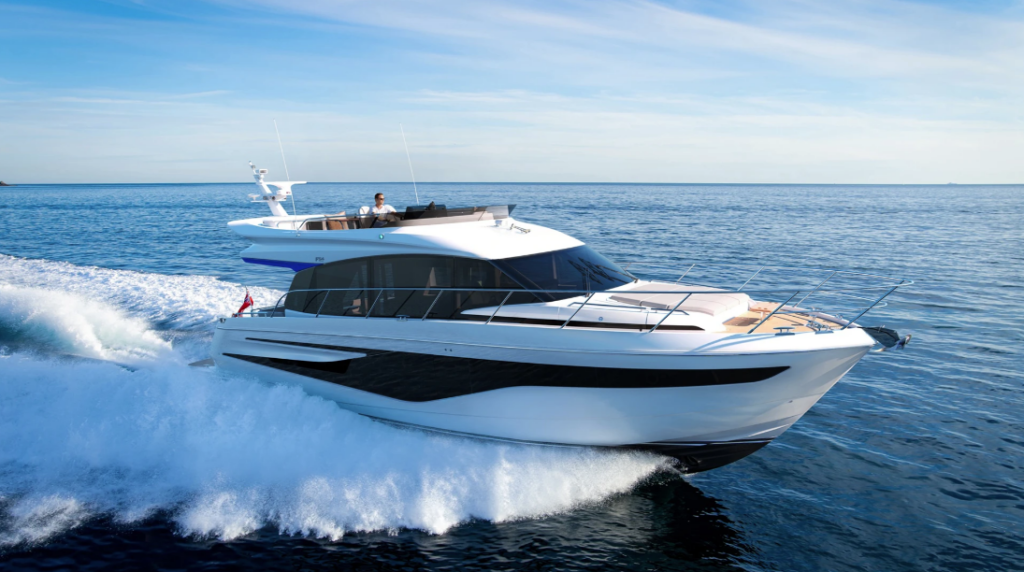
For a yacht to feel turn-key on the first warm weekend, much of the work happens before that weekend arrives. In the Mid-Atlantic, humid summers and freezing winter nights make a seasonal service plan as important as an engine-hour log. The payoff is fewer avoidable interruptions and better protection for the yacht’s condition.
Use this calendar as a planning framework, adjusting dates to your cruising grounds and storage arrangements. Manufacturer service intervals and actual weather take priority over the month on the calendar.
March through May for a thorough commissioning
Start with the work that is easiest while the yacht is ashore. Inspect the hull and underwater fittings, including running gear and the specified sacrificial anodes. Address antifouling needs and check seacock operation before launch.
The commissioning checklist also includes:
- Inspecting engine hoses and belts, checking fluids, and completing maintenance that is due.
- Testing battery capacity and charging equipment. Have shore-power connections checked for corrosion or heat damage.
- Recommissioning and sanitizing potable-water plumbing according to system instructions, then checking for leaks under pressure.
- Testing bilge pumps and high-water alarms, along with reviewing safety equipment and its service dates.
Once afloat, inspect through-hulls and machinery spaces for leaks. Confirm the cooling-water supply before starting engines or other water-cooled equipment, then verify circulation during operation.
A controlled sea trial is the final checkpoint. Record normal temperatures and charging readings once systems have stabilized, noting speed and engine rpm under comparable conditions. Those observations provide a useful baseline for summer troubleshooting. If freezing weather returns, recommissioned systems still require protection.
June through August for checks between outings
A yacht used lightly in spring can accumulate substantial hours during summer. Track generator hours separately from propulsion-engine hours, particularly when air conditioning runs through extended stays aboard. Service may become due long before the next seasonal appointment.
Watch for changes rather than waiting for an alarm. Higher operating temperatures or new vibration warrant investigation. Reduced speed at a familiar rpm can point toward fouling, although load and sea conditions also affect performance.
Keep raw-water strainers clear using the equipment’s prescribed procedure. Repeated overheating calls for diagnosis, not simply another cleaning. Check air-conditioning condensate drains as well; a blockage can introduce water into cabinetry or accommodation spaces.
After heavy rain, inspect bilges and lockers for water intrusion. Before a longer passage, leave enough time to resolve anything unusual rather than discovering it during departure checks.
September and October for storage and storm planning
Autumn often offers rewarding Chesapeake cruising, but storage decisions belong on the calendar before the last outing. Reserve service and haulout appointments early enough to complete freeze protection before cold weather arrives.
Decide whether the yacht will winter ashore, remain afloat, or stay in use. That choice affects access for inspections and the systems that can remain operational.
Keep a storm plan ready during late summer and autumn. Review dock lines and fenders, and understand the marina’s procedures before severe weather approaches. A winter storage reservation does not replace a plan for the weeks before layup.
Before the first freeze for complete winterization
Winterization is a system-by-system process. Protecting the engines alone leaves plenty of places where trapped water can cause damage.
Have a qualified marine technician follow the relevant equipment procedures:
- Check coolant condition and freeze protection in closed engine-cooling systems. Protect engine and generator raw-water circuits separately according to manufacturer instructions.
- Drain or winterize potable-water plumbing with products approved for that use. Include cockpit showers and other easily overlooked outlets; water heaters may require a separate draining or bypass procedure.
- Address air-conditioning circuits and other water-bearing equipment. Watermakers and ice makers can require distinct layup procedures.
- Pump out holding tanks at an approved facility and winterize sanitation equipment. Collect and dispose of service fluids appropriately.
Fuel preparation also depends on the engine and tank system. Use manufacturer guidance rather than assuming one additive or tank-fill practice suits every yacht.
Clean and dry the interior before closing it for storage. Manage ventilation and moisture without admitting rain. A portable heater is not a substitute for winterization.
Through winter for regular oversight
Check the yacht regularly and after storms or sharp cold snaps. Snow or pooled water can overload covers, while blocked drainage can send water into the boat.
For yachts wintering afloat, establish a seacock and bilge-pump plan with a qualified service professional. Maintain the appropriate battery-charging arrangement and verify that monitoring equipment works. Remote alerts are useful, but they do not replace physical inspections.
Winter is also a useful repair window. Record symptoms precisely: vibration at a particular rpm gives a technician more to work with than “engines need checking.”
Keep a record that travels with the yacht
Maintain one service file with dates and equipment hours, supported by invoices and inspection notes. It helps avoid missed or duplicated work and gives a future buyer a clearer maintenance history. Documentation cannot guarantee resale value, but it makes the yacht’s care easier to assess.
At Chesapeake Yacht Center, we offer seasonal services and ongoing ownership support. Contact us to discuss a service schedule that fits your yacht and cruising plans before the next launch or winter layup.