
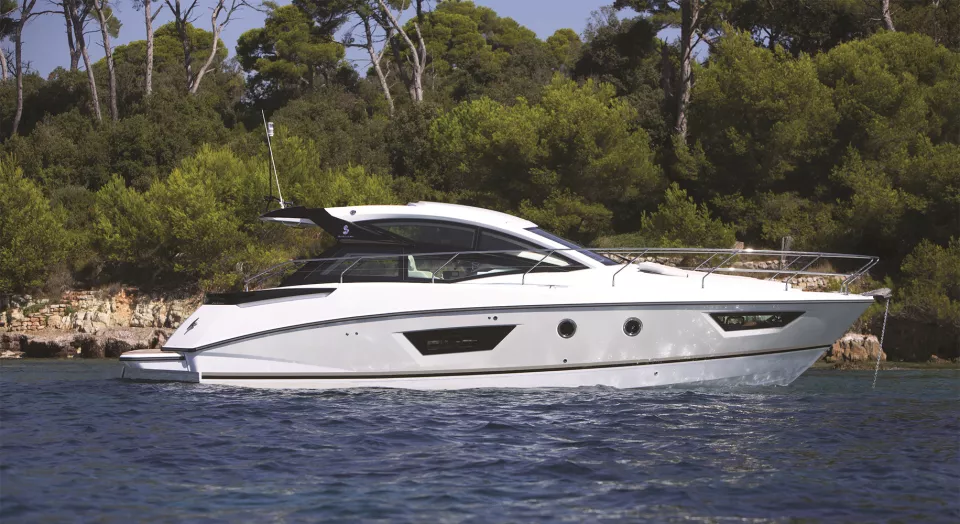
European Craftsmanship, American Waters: What to Know Before You Buy
Pairing European yacht craftsmanship with an American boating lifestyle can be an exceptional choice. Many of the world’s most admired luxury yachts are built in Europe, and brands such as Prestige, Princess, Pardo, Cranchi, Dyna, Jeanneau, and Navan bring a blend of design, performance, and innovation that appeals to discerning U.S. buyers.
To enjoy that experience without surprises, it is important to understand how European-built yachts are adapted for U.S. waters and American usage patterns. Below are key considerations around power, parts, storage, and climate so that expectations match real-world ownership.
1. Power & Voltage: 50 Hz vs. 60 Hz, 220V vs. 120V
The most common technical question with European yachts in the U.S. is electrical compatibility.
Shore Power and Frequency
- Europe: Typically 220–240V, 50 Hz
- United States: Typically 120/240V, 60 Hz
Reputable European builders that sell into the U.S. market offer factory U.S.-spec configurations, including:
- 60 Hz electrical systems
- U.S.-standard shore power connections
- U.S.-compliant safety systems (ABYC/NMMA where applicable)
When evaluating a yacht:
- Confirm the build spec: Is the boat a true U.S.-spec model, or an imported EU-spec yacht that has been “converted”?
- Ask about transformers/inverters: Some yachts use isolation transformers or frequency converters. Understand what’s installed, what it powers, and its service requirements.
- Verify onboard systems: Ensure major systems—air conditioning, battery chargers, galley appliances, stabilization—are fully compatible with U.S. shore power and local marinas.
A properly ordered, U.S.-spec Prestige, Princess, Pardo, Cranchi, Dyna, Jeanneau, or Navan will be configured for American marinas from day one. The key is confirming those details before purchase, especially with brokerage boats originally sold overseas.
2. Parts, Service, and Support: Planning for Long-Term Ownership
European brands deliver impressive engineering, but you want confidence that service and parts are readily available in the Mid-Atlantic and beyond.
Engine and Mechanical Systems
Many European yachts are powered by globally recognized manufacturers such as:
- Volvo Penta
- MAN
- Caterpillar
- Cummins
- Yanmar
For buyers, this is a major advantage:
- Engine parts and service are widely available throughout U.S. boating regions, including the Chesapeake Bay and Atlantic seaboard.
- Certified technicians are familiar with these propulsion systems, from routine maintenance to advanced diagnostics.
Brand-Specific Components
Items such as:
- Glazing and window systems
- Custom switch panels
- Proprietary electronics interfaces
- Custom furniture, fittings, and hardware
may be brand-specific or EU-sourced. When considering a European yacht, ask:
- How is warranty service handled in the U.S.?
- Does the dealer hold critical spares or have expedited logistics from the factory?
- Are there authorized service centers or a dedicated support team for the brand in the Mid-Atlantic?
A dealer with a strong relationship to European yards can dramatically reduce downtime. At Chesapeake Yacht Center, for example, our direct ties to builders like Prestige, Princess, Pardo, Cranchi, Dyna, Jeanneau, and Navan allow us to coordinate parts, warranty claims, and service efficiently for clients nationwide.
3. Storage Norms: European Design, American Boating Habits
European yachts are often designed around Mediterranean cruising—day trips, frequent marina stops, and compact storage. U.S. usage, particularly on the Chesapeake, can look very different: more time aboard, extended weekends, and family-oriented gear.
Deck and Garage Storage
Evaluate whether the yacht’s layout supports:
- Watersports gear: paddleboards, float mats, fishing tackle, tow toys
- Seasonal equipment: cockpit covers, enclosure panels, spare lines and fenders
- Provisioning: coolers, extra beverages, and longer-trip food storage
Sports cruisers and walkaround designs from Pardo, express cruisers from Prestige and Princess, and versatile models from Jeanneau and Navan often balance sleek European lines with practical storage. The question is how that space aligns with your lifestyle.
Interior Storage and Liveaboard Comfort
Look closely at:
- Hanging lockers and drawer space in cabins
- Pantry and galley storage for longer weekends
- Hidden compartments for tools, spare parts, and cleaning supplies
If you cruise with children, guests, or multiple couples, storage planning directly impacts comfort. A knowledgeable dealer can match you to models and layouts optimized for American-style cruising, then help you configure options (such as additional refrigeration or custom storage solutions) before delivery.
4. Climate Adaptations: From Mediterranean Sun to Mid-Atlantic Seasons
European yachts are often conceived for warmer, sunnier cruising grounds. The Chesapeake Bay and Atlantic coast bring their own mix of hot, humid summers, cool shoulder seasons, and variable sea states.
Air Conditioning and Heating
Confirm the yacht is equipped with:
- Appropriately sized climate control for U.S. summers, including robust air conditioning capacity for enclosed salons and cabins.
- Reliable heating options for early spring and late fall cruising—whether via reverse-cycle AC, diesel heating, or other systems.
Many European builders now design specific “cold-climate” or “northern latitude” packages for extended-season use; ask what’s available for your chosen brand and model.
Canvas, Enclosures, and Sun Protection
For practical comfort:
- Evaluate cockpit enclosures and bridge enclosures to extend the season.
- Consider hardtops, sunroofs, and shade solutions for humid Mid-Atlantic summers.
- Look at UV-resistant upholstery and exterior fabrics suitable for American sun exposure patterns and storage habits.
A yacht tailored to local conditions will be easier to enjoy spontaneously—whether for an evening cruise on the Patapsco River or a long weekend to St. Michaels.
5. Aligning Expectations With Real-World Ownership
When European craftsmanship meets American cruising patterns, the results can be spectacular—as long as the details are addressed upfront.
As you evaluate European-built yachts for U.S. waters, keep these priorities in focus:
- Confirm U.S.-spec electrical and compliance from the factory or via a reputable conversion.
- Assess service and parts pathways for engines, systems, and brand-specific components.
- Match storage capacity to your real boating lifestyle, not just the showroom impression.
- Adapt for Mid-Atlantic climate, from HVAC to enclosures and sun protection.
The right dealership partner will guide you through these questions, coordinate inspections, manage documentation, and customize the yacht to your usage—turning a complex international purchase into a seamless, concierge-level experience.
Considering a European Yacht for U.S. Waters?
Chesapeake Yacht Center specializes in aligning world-class European yachts with the realities of American ownership. From model selection and U.S.-spec configurations to delivery, training, and ongoing service on the Chesapeake Bay and beyond, our team is here to help you buy with confidence.
To explore Prestige, Princess, Pardo, Cranchi, Dyna, Jeanneau, and Navan yachts tailored for U.S. waters, contact Chesapeake Yacht Center today to schedule a private consultation.