
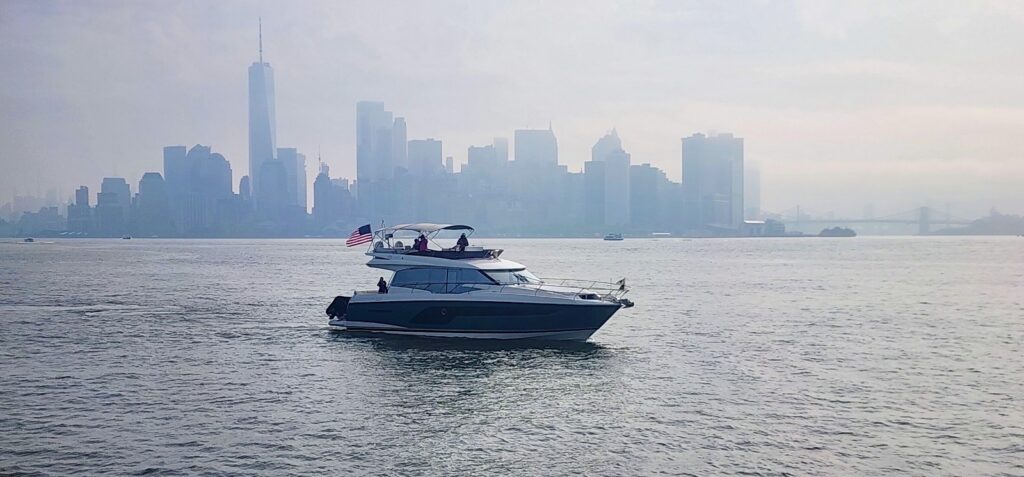
Owner-Operator or Crewed: Choosing the Right Operating Model for a 45–70-Foot Yacht
A 45–70-foot yacht opens up an entirely new world of cruising possibilities—extended weekends, multi-week trips, and the ability to host family and friends in true comfort. It also introduces an important decision: will you run the boat yourself as an owner-operator, or bring on professional crew?
There is no one-size-fits-all answer. The right operating model depends on how you plan to use the yacht, your skills and comfort level, and the onboard experience you want for your family and guests. Below, we break down the key factors to consider so you can choose a model that maximizes enjoyment and minimizes stress.
How Size and Layout Shape Your Options
In the 45–70-foot range, yachts span a wide spectrum:
- 45–55 feet – Frequently owner-operated. Think express cruisers, sport yachts, and sedan bridges from builders like Prestige, Pardo, Jeanneau, and Cranchi.
- 55–65 feet – “Crossover” territory. Many owners run these boats themselves, but part-time crew or a captain for busy weekends and longer passages can be a smart upgrade.
- 65–70 feet – Often capable of owner-operation with today’s technology (joystick controls, bow thrusters, advanced navigation), but a dedicated captain or steward(ess) becomes more appealing for comfort, safety, and service.
Design also plays a role. A well-planned layout with good visibility, walkaround decks, and intuitive systems is easier for an experienced couple or family to operate confidently.
Owner-Operator: Freedom, Connection, and Hands-On Enjoyment
Running your own yacht can be deeply rewarding, especially for those who love being at the helm and involved in every aspect of the boating experience.
Advantages of Owner-Operation
1. Total flexibility and control
You set the schedule, routes, and pace. There’s no need to coordinate with a crew calendar—if the weather looks perfect for a spontaneous weekend, you simply go.
2. Deeper connection with the boat
Handling lines, planning passages, troubleshooting systems—these activities build confidence and familiarity. Many owners enjoy understanding their yacht at this level, and it often leads to better long-term care.
3. Lower ongoing costs
Without permanent crew salaries and benefits, your annual operating budget can be significantly leaner. This can free up funds for upgraded electronics, toys, or extended cruising.
What Owner-Operators Should Honestly Assess
Skill and confidence at the helm
On a 45-footer, docking and close-quarters handling may feel approachable after proper training. On a 65–70-foot yacht in a busy marina or tight slip, stress levels can rise quickly if you’re not fully comfortable.
Team dynamic on board
Most owner-operated yachts rely on a “captain and mate” model—often a spouse or family member helping with lines, fenders, anchoring, and general watchkeeping. Everyone should feel confident and willing to participate.
Time for maintenance and logistics
Fueling, pump-outs, cleaning, light troubleshooting, and coordinating service visits all fall to you. If your goal is a “turnkey, just show up and enjoy” experience, consider how much time you’re willing to invest behind the scenes.
Crewed Operation: Comfort, Safety, and White-Glove Service
As yachts approach the top of the 45–70-foot range, many owners choose to add crew—either full-time or part-time—to enhance safety and onboard experience.
Benefits of Having Crew
1. Reduced workload and stress
A professional captain handles navigation, docking, weather evaluation, and systems monitoring. A steward(ess) or deckhand can manage lines, housekeeping, and guest service. You focus on your family and guests instead of boat chores.
2. Enhanced safety and peace of mind
Experienced crew are trained in emergency procedures, first aid, and preventative maintenance. For offshore runs, night passages, or complex cruising grounds, this can be invaluable.
3. A true “vacation mode” experience
With crew managing the details, your time on board feels like a private resort. Your day can start with coffee already prepared and end with the boat tidied, systems checked, and tomorrow’s itinerary reviewed.
Crew Models to Consider
-
Full-time captain (and possibly steward/ess):
Common on 60–70-foot yachts used frequently or kept in a slip far from home. -
Seasonal or part-time crew:
Ideal for owners who are comfortable running the boat locally but want help for longer trips, busy holiday weekends, or specific deliveries. -
Instructional captain:
A transitional choice—hire a captain to run the yacht initially while you gain skills and confidence, then shift to more owner-operator use over time.
Training: Bridging the Gap Between the Two Models
The line between owner-operator and crewed operation doesn’t have to be permanent. Many Chesapeake Yacht Center clients start with additional support, then grow into more independent operation.
Smart steps include:
- Professional orientation on your specific yacht – Systems walkthrough, docking practice, and emergency procedures tailored to your vessel.
- Formal boating and safety courses – Especially valuable for owners moving up from smaller boats into the 50–70-foot range.
- Progressive adventures – Start with short, local trips. Add complexity gradually with longer runs, unfamiliar marinas, and nighttime operations with a seasoned captain alongside you.
This approach allows you to enjoy the boat from day one while building the skills to operate exactly at your comfort level.
Budgeting: Understanding the True Cost Differences
Both models share baseline expenses—slip fees, insurance, fuel, maintenance, and haul-outs. The key differentiator is labor.
Owner-Operator Additional Considerations:
- Occasional captain for training or deliveries
- Dockhand tips at marinas
- Higher personal time investment rather than financial outlay
Crewed Operation Additional Considerations:
- Captain salary (full-time or part-time)
- Potential steward/ess or deckhand
- Crew travel, food, and gratuities (for freelance/seasonal crew)
For many owners of 60–70-foot yachts, the added comfort, safety, and enjoyment of having crew justifies the expense—particularly when the yacht is used heavily or is central to family vacations and entertaining.
Privacy, Lifestyle, and How You Like to Entertain
The “right” operating model is as much about lifestyle as logistics.
-
If privacy is paramount:
You may prefer primarily owner-operation, bringing in crew only when essential. This keeps intimate family time truly private. -
If you love to host:
Professional crew can transform guest experiences—welcoming arrivals, managing food and drink, and discreetly keeping the yacht spotless so you can be fully present with your guests. -
If you have young children or older family on board:
Having a captain adds a layer of safety and allows one adult to focus entirely on family while the other isn’t tied to the helm.
Choosing the Model That Fits You
For a 45–55-foot yacht, a well-trained owner-operator model is often ideal, especially with occasional captain support for training and longer trips.
For a 55–70-foot yacht, many owners find a hybrid approach works best:
- Operate the boat yourselves for casual local outings.
- Bring in a professional captain or crew for extended cruising, busy weekends, or when entertaining a larger group.
The goal is simple: maximize your enjoyment and minimize stress, so every moment on the water feels as luxurious as the yacht itself.
Plan Your Ideal Ownership Experience with Chesapeake Yacht Center
Whether you envision running your yacht yourself or prefer a fully crewed, concierge-style experience, Chesapeake Yacht Center can help you define the right operating model, select the ideal yacht, and connect you with trusted captains and service partners.
To explore 45–70-foot yachts and discuss an ownership plan tailored to your lifestyle, contact Chesapeake Yacht Center in Baltimore today and let our team guide you through every step.